





Dalmatian Pelican
Pelecanus crispus
The Dalmatian Pelican is a large, beautiful bird with a long bill and fluffy feathers. They love to fish and can be found near lakes and rivers, where they glide gracefully over the water.
Habitat: Wetlands
The Dalmatian Pelican is a massive bird with striking silvery-white plumage, often appearing greyish from a distance. It has a distinctive shaggy mane of curly feathers on its nape and a bright orange-red gular pouch, which intensifies during breeding season.
Category
BirdsRarity
Common
Danger
1/5 · Very low
Snaps
Be the first to snap!
Baby pelicans are born completely helpless, blind and featherless at birth!
Their huge beak pouch can stretch to hold over 13 liters of water!
They are the rarest of all pelican species, making them special to spot!
Unlike most pelicans, they often hunt alone, gracefully fishing from the surface!
Dalmatian Pelican has a huge, expandable gular pouch that helps them scoop up large amounts of fish effortlessly.
Dalmatian Pelican has lightweight, air-filled bones that help them soar high and stay buoyant on water.
Dalmatian Pelican can expertly use warm air currents to soar high and travel long distances with minimal effort.
Dalmatian Pelican has distinct shaggy, curly feathers on its head and nape, giving it a unique, regal appearance.
These large birds primarily eat fish, scooping them up with their enormous beak pouches!
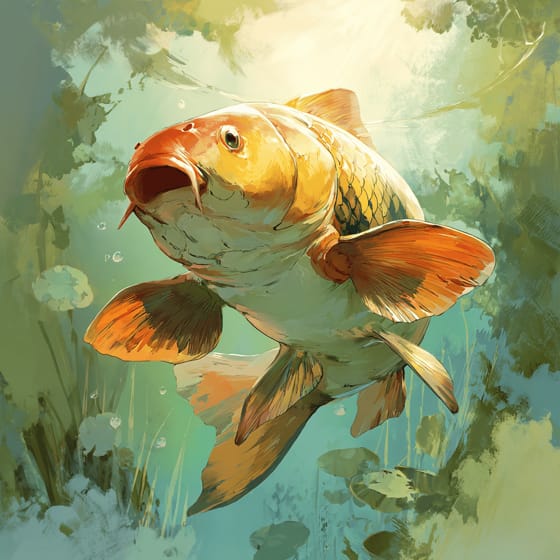
Cyprinus carpio
A primary and abundant food source.
Anguilla anguilla
Frequently caught in shallow waters.
Canis aureus
Preys on pelican eggs and vulnerable chicks.
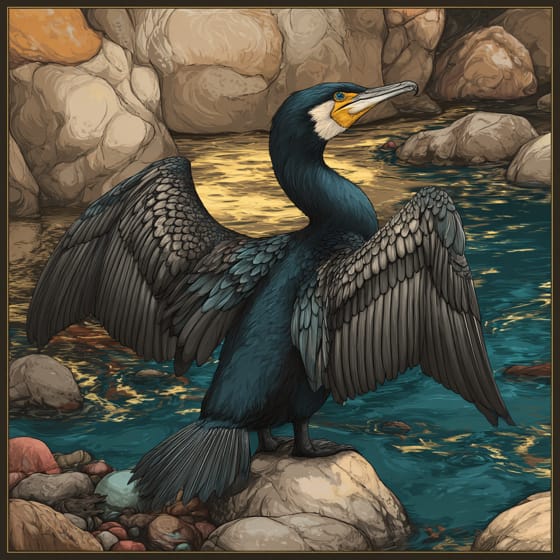
Phalacrocorax carbo
Often nests within Dalmatian Pelican colonies.
Feathered describes animals, primarily birds, possessing a covering of feathers.
Social animals live in organized groups, cooperating for survival benefits such as foraging, defense, and raising offspring.
Filter feeders obtain nutrients by straining suspended food particles and small organisms from water.
Gliding animals move through the air by launching themselves and maintaining flight with specialized body structures, without flapping wings.

Piscivorous organisms are animals that primarily subsist on a diet of fish.

This habitat trait identifies species found in wetlands, which are areas of land saturated with water, either permanently or seasonally, including marshes, swamps, and bogs.

Diurnal animals are primarily active during daylight hours, typically resting or sleeping at night.

Aquatic habitats encompass environments where organisms live predominantly in water, including oceans, rivers, lakes, and wetlands.

Giant describes organisms or objects of significantly larger size than average for their species or type.

Migratory animals undertake seasonal movements from one region to another, typically in response to changes in climate or food availability.

Endangered status indicates a species is at a very high risk of extinction in the wild in the near future.
No aliases listed yet.
Danger
1/5 · Very low
Always watch birds from a distance and do not try to touch them.
The easiest way to identify Dalmatian Pelican is to use the Snappit nature identifier app.
160-180 cm
270-320 cm
10-15 kg
16-25 years
55 km/h
These large birds primarily eat fish, scooping them up with their enormous beak pouches!
Wetlands
Zoom in to split clusters and explore where this object has been snapped.
Recent snaps will appear here as new observations are added.
Take the discovery with you
Snap it with Snappit to identify it, learn what makes it special, and add the discovery to your collection.




.jpg&width=800)








