





Great Cormorant
Phalacrocorax carbo
The Great Cormorant is a large bird that loves to dive deep for fish! It has a long neck and can often be seen drying its wings in the sun.
Habitat: Coastal areas and lakes
The Great Cormorant is a large, dark water bird with a sleek, glossy black body and a distinctive hooked bill. During breeding season, it often sports white patches on its head and flanks, setting it apart from other similar dark waterfowl.
Category
BirdsRarity
Common
Danger
2/5 · Low
Snaps
32
Cormorants can dive over 200 feet deep to catch fish!
These birds spread their wings after diving, like sunbathing, to dry their feathers!
They have a special gland to remove salt from the seawater they drink!
They've been used for fishing by humans for thousands of years in Asia!
Great Cormorants can get their feathers waterlogged because it helps them sink quickly and dive deep to hunt fish.
Great Cormorants have excellent underwater vision that helps them spot and catch fast-moving prey in murky depths.
Great Cormorants can spread their wings wide because it helps them dry their feathers quickly after a long fishing session.
These expert divers mainly eat fish, catching them underwater with their sharp, hooked bills!
Age differences: Young cormorants are fed regurgitated fish by parents and gradually learn to hunt for themselves.
Anguilla anguilla
a common and important prey species in its diet.
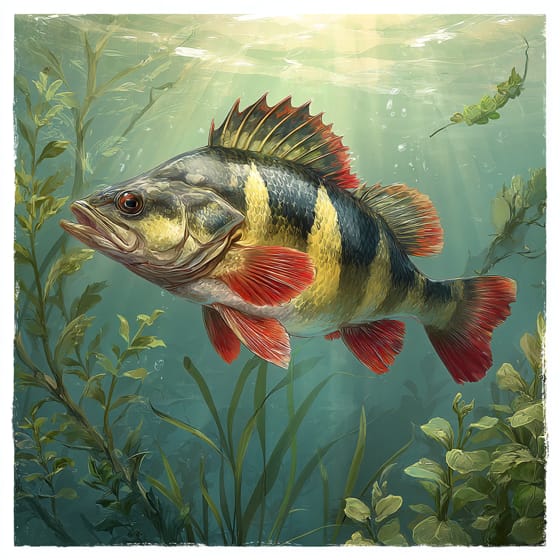
Perca fluviatilis
frequently caught in freshwater lakes and rivers.
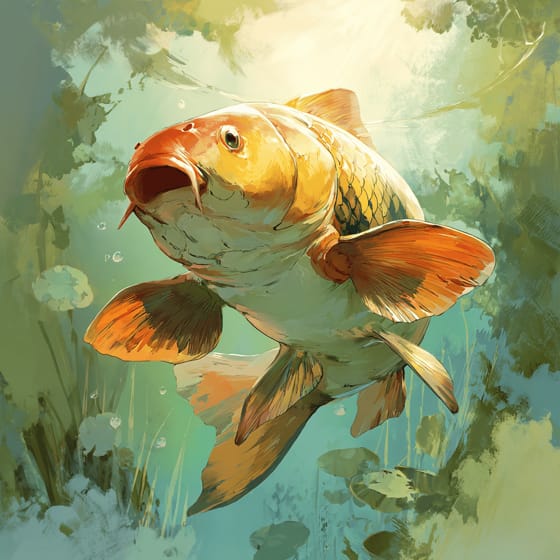
Cyprinus carpio
often targeted due to its abundance in many water bodies.

Haliaeetus albicilla
adults and young can be preyed upon by this large raptor.
Wildlife encompasses all undomesticated animal and plant life existing in their natural habitats.
Feathered describes animals, primarily birds, possessing a covering of feathers.
Social animals live in organized groups, cooperating for survival benefits such as foraging, defense, and raising offspring.
Aerial creatures spend a significant portion of their lives airborne, utilizing flight for various activities such as hunting, migration, or nesting.

Filter feeders obtain nutrients by straining suspended food particles and small organisms from water.

Piscivorous organisms are animals that primarily subsist on a diet of fish.

This trait signifies organisms belonging to a very old evolutionary group with ancestors dating back millions of years.

Coastal habitats are dynamic environments located along the interface between land and sea, influenced by tides, waves, and saltwater.
Danger
2/5 · Low
Watch quietly from a distance and never try to feed or chase wild animals.
The easiest way to identify Great Cormorant is to use the Snappit nature identifier app.
70-102 cm
121-160 cm
1.5-5.3 kg
10-20 years
55 km/h
These expert divers mainly eat fish, catching them underwater with their sharp, hooked bills!
Coastal areas and lakes
Zoom in to split clusters and explore where this object has been snapped.
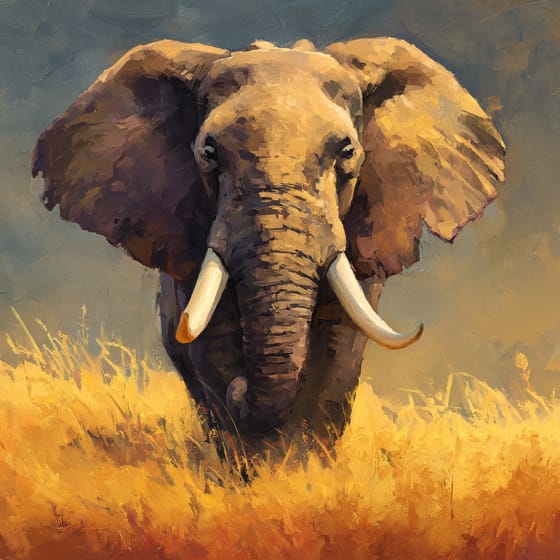
England, UK
You might spot African Elephant, Bornean Orangutan, and Tiger.
View guide →
.jpg)
Municipal District of Cobh, IE
You might spot Ring-Tailed Lemur, Giraffes, and Cheetahs.
View guide →

North Rhine-Westphalia, DE
You might spot Giant Anteaters, Angolan Giraffe, and Giant Otter.
View guide →

Nouvelle-Aquitaine, FR
You might spot Greater Flamingo, Giraffes, and Red Panda.
View guide →

Northern Ireland, UK
You might spot Giraffes, Spectacled Bear, and Goodfellow's Tree-Kangaroo.
View guide →

England, UK
You might spot Red Panda and Ring-Tailed Lemur.
View guide →
Take the discovery with you
Snap it with Snappit to identify it, learn what makes it special, and add the discovery to your collection.





.jpg&width=800)










