





Dark Flower Scarab
Euphoria sepulcralis
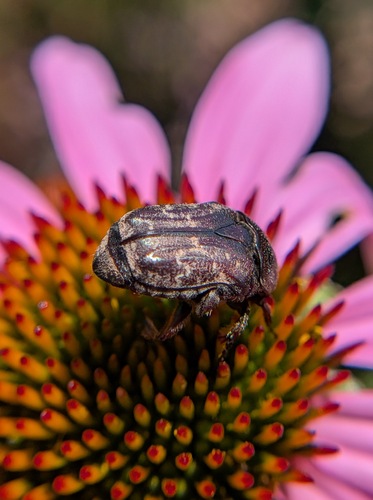
The Dark Flower Scarab is a shiny black beetle that loves to munch on flowers. It helps flowers grow by spreading pollen while it eats, making it a little gardener in nature!
Habitat: Urban areas
The Dark Flower Scarab is a small, broad beetle with a shiny, dark metallic bronze or black body, often exhibiting green or purplish iridescence. Its shell (elytra) is covered in tiny pits, distinguishing it from smoother, brighter flower scarabs.
Category
InsectsRarity
Common
Danger
1/5 · Very low
Snaps
27
Baby scarabs, called grubs, live underground munching on old wood!
Its dark, shiny shell looks like polished metal!
These scarabs love sunshine and are often seen buzzing on bright blooms!
They use fuzzy antennae to smell tasty flowers from far away!
Dark Flower Scarab can spread pollen between flowers because of its fuzzy body, which helps plants make seeds.
Dark Flower Scarab has special antennae that help them smell sweet flowers from far away to find their next meal.
Baby Dark Flower Scarabs (grubs) can burrow underground to eat decaying wood, helping recycle forest materials.
Adults sip nectar and pollen from flowers, while their babies eat old wood.
Age differences: Larvae eat decaying wood and organic matter; adults feed on flowers and fruit.
Rudbeckia hirta
Helps this flower produce seeds.
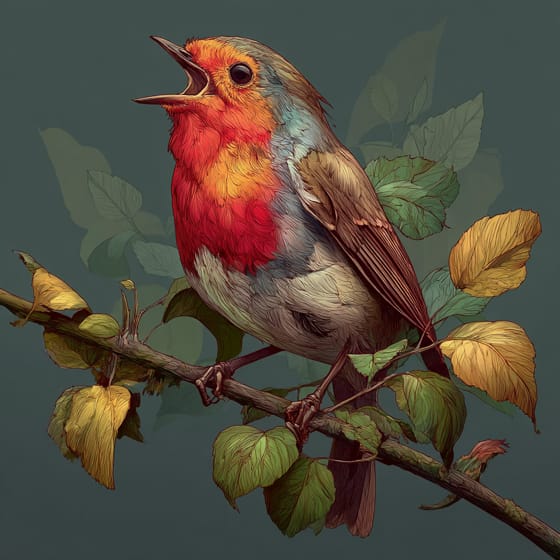
Turdus migratorius
Robins are known to eat various ground insects.
Sorex cinereus
Shrews feast on the grubs found in soil.
Solitary animals live alone for most of their lives, only interacting with others for mating or parental care.
Colorful describes organisms or objects displaying a wide range of bright and distinct colors.
This trait characterizes organisms whose diet consists entirely or primarily of plant material.
Describes plants that are particularly attractive and beneficial to a wide range of pollinating organisms.

Diurnal animals are primarily active during daylight hours, typically resting or sleeping at night.

Describes a species whose presence and role have a disproportionately large effect on its environment.

This habitat trait indicates species that can coexist with humans in urban and suburban environments, utilizing man-made structures and green spaces.

Describes organisms that transfer pollen, enabling the fertilization and reproduction of plants.
No aliases listed yet.
Danger
1/5 · Very low
It's best to watch these beetles from a distance and not touch them.
The easiest way to identify Dark Flower Scarab is to use the Snappit nature identifier app.
9-15 mm
30-60 days
Adults sip nectar and pollen from flowers, while their babies eat old wood.
Urban areas
Foraging
6
Zoom in to split clusters and explore where this object has been snapped.
Jun 4, 2026
Morris Avenue – First Avenue North Historic DistrictPhoto attribution
no rights reserved
License: CC0 1.0 ↗
Image may be shown cropped inside the card frame.

Virginia, US
You might spot Eastern Box Turtle and White-Tailed Deer.
View guide →

Virginia, US
You might spot Cope's Gray Tree Frog and Basilica Orbweaver.
View guide →

New Jersey, US
You might spot Brant, Laughing Gull, and Great Black-Backed Gull.
View guide →

South Carolina, US
You might spot Brown Pelican, Boat-Tailed Grackle, and Great Egret.
View guide →

Alabama, US
You might spot Muscovy Duck and Gulf Longear Sunfish.
View guide →

US
You might spot Brown Pelican, Boat-Tailed Grackle, and Great Egret.
View guide →
Take the discovery with you
Snap it with Snappit to identify it, learn what makes it special, and add the discovery to your collection.







.jpg&width=800)


