





Diaprepes Root Weevil
Diaprepes abbreviatus
The Diaprepes Root Weevil is a small bug that loves to munch on roots of plants. It has a long snout and is usually black or brown. These little weevils can be found in gardens and fields, where they like to hide.
Habitat: Urban areas
The Diaprepes Root Weevil is a striking beetle, identifiable by its shiny black body adorned with bright yellow-orange stripes. It has a distinctive short, broad snout, unlike many other weevils, and a hard, armored shell.
Category
InsectsRarity
Common
Danger
1/5 · Very low
Snaps
6
Even though it flies, the Diaprepes Root Weevil is a very slow and clumsy flier!
Female weevils protect their eggs by gluing them between two leaves like a sandwich!
The tiny larva can eat through a plant's roots, sometimes killing whole trees!
This pest loves citrus, but it can munch on over 100 different types of plants!
Diaprepes Root Weevil larvae can tunnel through plant roots because of strong mandibles that help them eat and grow underground.
Diaprepes Root Weevil can lay eggs inside folded leaves that helps protect the tiny eggs from predators and drying out.
Diaprepes Root Weevil has a hard, armored exoskeleton that helps protect it from predators and physical damage.
Diaprepes Root Weevil can fly long distances because of its functional wings that helps it find new food sources and mates.
Adults munch on leaves, while their hungry larvae secretly chew through plant roots underground.
Age differences: Larvae feed exclusively on plant roots, while adults feed on foliage and fruit.
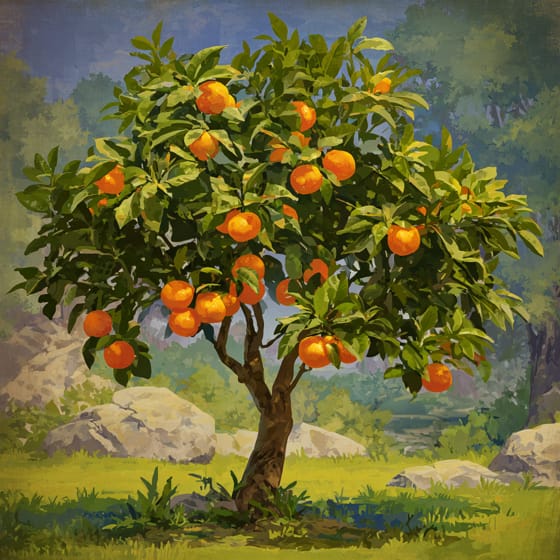
Citrus sinensis
Adults feed on leaves, larvae attack roots.
Persea americana
A favorite food source for both adults and larvae.
Tetrastichus haitiensis
This tiny wasp lays its eggs inside weevil eggs.
Steinernema diaprepesi
Microscopic worms infect and kill weevil larvae in the soil.
Solitary animals live alone for most of their lives, only interacting with others for mating or parental care.
This trait characterizes organisms whose diet consists entirely or primarily of plant material.
Describes organisms that break down dead organic material, recycling nutrients back into the ecosystem.
Pertaining to species that are significantly smaller than typical or average for their kind.

This habitat trait indicates species that can coexist with humans in urban and suburban environments, utilizing man-made structures and green spaces.

Invasive species are non-native organisms that cause harm to the environment, economy, or human health.
No aliases listed yet.
Danger
1/5 · Very low
Don't touch bugs without asking an adult first, as some can be tricky.
The easiest way to identify Diaprepes Root Weevil is to use the Snappit nature identifier app.
10-20 mm
60-365 days
Adults munch on leaves, while their hungry larvae secretly chew through plant roots underground.
Urban areas
Foraging
6
Zoom in to split clusters and explore where this object has been snapped.

Florida, US
You might spot Crested Anole, Brown Anole, and Peters's Rock Agama.
View guide →

Florida, US
You might spot Peters's Rock Agama, Green Iguana, and Brown Anole.
View guide →

Louisiana, US
You might spot Red-Shouldered Hawk, Green Treefrog, and Brown Anole.
View guide →

Florida, US
You might spot American Alligator, Great Blue Heron, and Anhinga.
View guide →

Florida, US
You might spot Crested Anole, Brown Anole, and Peters's Rock Agama.
View guide →

Florida, US
You might spot Common Yellowthroat and Brown Anole.
View guide →
Take the discovery with you
Snap it with Snappit to identify it, learn what makes it special, and add the discovery to your collection.








.jpg&width=800)




