





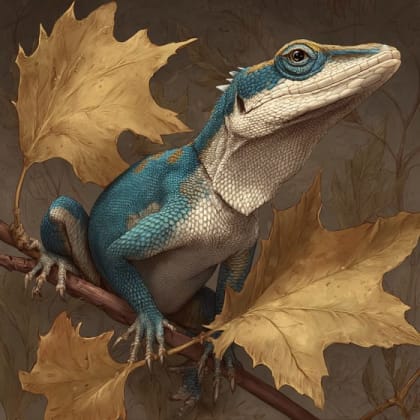
Green Iguana

Experience a world of exotic flavors at Fruit and Spice Park, the only tropical botanical garden of its kind in the contiguous United States.
Experience a world of exotic flavors at Fruit and Spice Park, the only tropical botanical garden of its kind in the contiguous United States. Nestled in Redland, Florida, this 37-acre paradise showcases over 500 varieties of fruits, vegetables, spices, herbs, and nuts from around the globe, thriving in South Florida's unique subtropical climate. It's a truly interactive experience where visitors are encouraged to sample ripe fruits that have fallen to the ground, offering a taste adventure unlike any other.
The park is a living catalog of edible wonders, featuring impressive collections such as 180 varieties of mangoes (the largest public collection in the U.S.), 40 types of bananas, 70 kinds of bamboo, and 15 varieties of jackfruit trees. Explore themed areas representing Tropical Americas, Africa, Australia and the Pacific Islands, Asia, and the Mediterranean. Discover fascinating plants like the African Sausage Tree with its distinctive fruits, the towering Baobab, the vibrant Rainbow Eucalyptus, and the sweet Annonas and Canistel, often called "pumpkin pie fruit." Beyond the botanical, the park also preserves history with its original 1906 Redland Schoolhouse and the historic Bauer-Neill-Mitchell House.
A visit to Fruit and Spice Park is a feast for the senses and a memorable journey into the world of tropical agriculture. Whether you're savoring the "chocolate pudding" flavor of a Black Sapote, marveling at the unique Ice Cream Bean, or simply enjoying the tranquil pathways and waterfalls, the park offers endless opportunities for discovery and delight. It's an immersive educational experience that highlights the incredible diversity of edible plants and the rich agricultural heritage of the Redland community. Wondering what that bird or insect is? Find out on your visit using the Snappit nature app.
The Fruit and Spice Park originated from the visionary efforts of Mary Calkins Heinlein, a descendant of pioneer homesteaders in the Redland area. Driven by a passion to showcase the region's rich agricultural bounty, Heinlein spearheaded the acquisition of 18 acres in 1935, with significant support from County Commissioner Preston B. Bird, and the land was finally secured in 1943. The park officially opened in 1944, with Heinlein serving as its first superintendent, overseeing the planting of numerous specimens and the development of the gardens according to plans by landscape architect William Lyman Philips. Over the years, the park expanded and evolved. In 1980, it was formally renamed the Preston B. Bird/Mary Heinlein Fruit & Spice Park in honor of its founders. While Hurricane Andrew caused significant damage in 1992, destroying many trees and structures, the park was resiliently redesigned. Today, it also features preserved historical structures, including the original Redland Schoolhouse (built in 1906) and a coral rock building (circa 1913), along with the Bauer-Neill-Mitchell House, a pioneer home relocated to the park in 1982.
Walk the winding pathways, explore the lake with water lilies and waterfalls, learn about ethnobotany from knowledgeable guides, and picnic amidst the lush foliage.
The availability of specific fruits depends on the season; check the park's "What's In Season" guide online for current offerings. The park is open daily from 10 AM to 5 PM, except for Thanksgiving and Christmas Day. Tram tours may be delayed or canceled due to lightning.
The park's garden, buildings, and tour vehicles are accessible to people with disabilities, though some terrain may be naturally uneven. Wheelchairs are available free of charge at the entrance on a first-come, first-served basis.
Sample exotic fruits that have fallen to the ground throughout the park, or enjoy a tasting plate at the visitor center.
Daily tours at 11:00 AM and 1:30 PM provide expert commentary. Specialty tasting tours are also offered at 12:00 PM and 3:00 PM for an additional fee, where guides help identify ripe and edible fruits.
Explore different regional collections like Tropical Americas, Africa, and Asia, showcasing plants from those areas.
Visit the 1906 Redland Schoolhouse, the 1913 coral rock building, and the Bauer-Neill-Mitchell House.
Each card links to a full Explore page with photos, traits, and fun facts.
Start with the big picture, then zoom in to explore individual wildlife observations around this place.
Bring a pocket knife and water bottle
** A small knife is handy for slicing fallen fruit, and a water bottle is useful for drinking and rinsing sticky hands.
Arrive early
Visiting in the morning helps avoid crowds and allows for a more peaceful exploration.
Wear comfortable shoes
You'll be doing a fair amount of walking over 37 acres, so sturdy, comfortable footwear is essential.
Check "What's In Season"
Consult the park's website before your visit to see which fruits are ripe and available for tasting during your trip.
Consider the tram tour
Especially for first-time visitors, the guided tram tour offers valuable insights and ensures you don't miss key highlights.
Pack a picnic
The park provides picnic tables, making it a great spot to enjoy a meal amidst nature (no grills or large coolers permitted).
Ask before you eat
While eating fallen fruit is encouraged, if you're unsure about a particular fruit's edibility, ask a staff member or bring it to the visitor center for identification.
Jun 2, 2026
Jun 2, 2026
Jun 1, 2026
May 31, 2026
May 27, 2026

Maryland, US
You might spot White-Tailed Deer and Eastern Gray Squirrel.
View guide →
.jpg)
District of Columbia, US
You might spot Eastern Gray Squirrel, Duck, and House Sparrow.
View guide →

Illinois, US
You might spot American Robin, Canada Goose, and House Sparrow.
View guide →

Virginia, US
You might spot Spotted Lanternfly and Northern Cardinal.
View guide →
Take the discovery with you
Identify the wildlife you spot, learn as you go, and keep a collection of the adventure.









%2C_mating.jpg&width=800)





