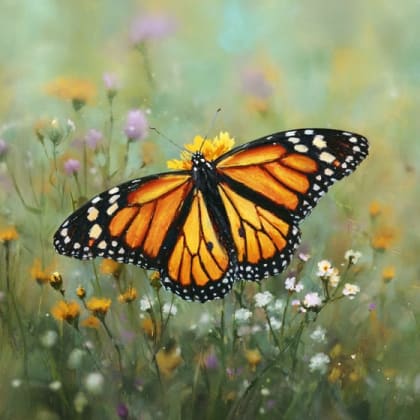
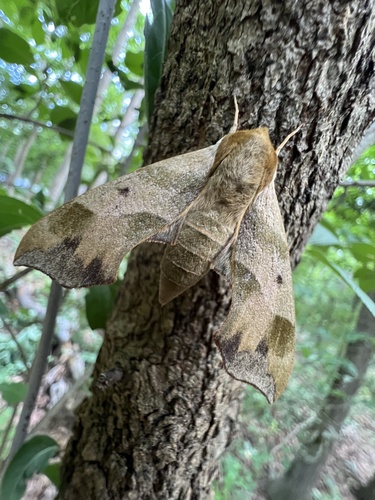
Eastern Tiger Swallowtail
## Leewood Park: A Tranquil Escape in Springfield, Virginia
Nestled in the heart of Springfield, Virginia, Leewood Park offers a serene and inviting ambiance, making it a delightful retreat for those seeking a connection with nature. This picturesque 9.44-acre local park is celebrated for its lush greenery and well-maintained multi-use trails, providing a tranquil escape from the everyday hustle. It serves as an ideal spot for residents and visitors alike to enjoy the outdoors and immerse themselves in a peaceful environment.
While Leewood Park does not feature traditional exhibits, its natural setting is a vibrant habitat for a variety of local wildlife. Visitors traversing the well-marked paths are likely to encounter common species such as the active Eastern Gray Squirrel and the melodious American Robin. Birdwatchers can anticipate spotting the brilliant red Northern Cardinal or the soft cooing Mourning Dove, often perched among the park's diverse tree canopy, which includes species like Red Maple and Black Tupelo.
Leewood Park is a truly rewarding destination for anyone desiring a refreshing outdoor experience. Its beautiful scenery and calm atmosphere provide an ideal backdrop for leisurely strolls or invigorating runs. The moderate climate of Springfield further enhances its appeal, offering pleasant conditions for outdoor activities throughout the year. The opportunity to observe native flora and fauna, from the delicate Monarch and Eastern Tiger Swallowtail butterflies fluttering among the wildflowers to the occasional sighting of a White-tailed Deer, contributes to the park's memorable charm. Eager to name that creature? Identify any animal you find during your visit using the Snappit app.
Leewood Park is a local park that falls under the management of the Fairfax County Park Authority. Spanning 9.44 acres, it is an established community green space located within the Annandale Planning District of Springfield, Virginia. While specific founding details are not widely publicized, the park functions as a cherished natural amenity for the local community.
Engage in walking, running, or light hiking on the park's paths. Nature watching is a popular activity, with opportunities to spot various bird species like the Northern Cardinal, American Robin, and Downy Woodpecker. Keep an eye out for insects such as the Monarch and Eastern Tiger Swallowtail, and other wildlife including Eastern Gray Squirrels and Common Box Turtles.
Spring brings new growth and active birds, while fall showcases vibrant autumnal colors. Summer offers full foliage and buzzing insect life. In winter, the park maintains its tranquil beauty, though wildlife may be less active.
Leewood Park provides a convenient parking lot for visitors. The park features well-maintained multi-use trails, suggesting a level of accessibility for general use.
The primary highlights are the well-maintained multi-use trails and the open play areas nestled within the lush natural surroundings.
Each card links to a full Explore page with photos, traits, and fun facts.
Start with the big picture, then zoom in to explore individual wildlife observations around this place.
Wear comfortable footwear suitable for walking or running on natural surface trails.
American Robins
and Downy Woodpeckers are often present. 3. Carry a water bottle
especially during warmer months
as water facilities may be limited. 4. Utilize the designated parking lot for easy access to the park. 5. Observe wildlife from a respectful distance to avoid disturbing their natural behavior. 6. Consider visiting during the spring or fall for the most comfortable weather and picturesque scenery.
Jun 20, 2026
Photo attribution
no rights reserved
License: CC0 1.0 ↗
Image may be shown cropped inside the card frame.
Jun 19, 2026
Photo attribution
no rights reserved
License: CC0 1.0 ↗
Image may be shown cropped inside the card frame.
Jun 19, 2026
Photo attribution
no rights reserved
License: CC0 1.0 ↗
Image may be shown cropped inside the card frame.
Jun 18, 2026
Photo attribution
(c) wren-falcon, some rights reserved (CC BY)
License: CC BY 4.0 ↗
Image may be shown cropped inside the card frame.
Jun 13, 2026
Photo attribution
(c) Mark Richman, some rights reserved (CC BY)
License: CC BY 4.0 ↗
Image may be shown cropped inside the card frame.

Maryland, US
You might spot White-Tailed Deer and Eastern Gray Squirrel.
View guide →
.jpg)
District of Columbia, US
You might spot Eastern Gray Squirrel, Duck, and House Sparrow.
View guide →

Illinois, US
You might spot American Robin, Canada Goose, and House Sparrow.
View guide →

Virginia, US
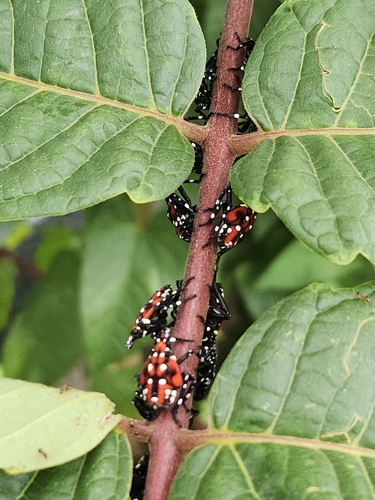
You might spot Spotted Lanternfly and Northern Cardinal.
View guide →
Take the discovery with you
Identify the wildlife you spot, learn as you go, and keep a collection of the adventure.