





Douglas iris
Iris douglasiana
The Douglas iris is a beautiful flower that blooms in many colors like purple, blue, and white. It grows in sunny places and adds color to gardens and wild areas.
Habitat: Grasslands
The Douglas iris has large, showy flowers that come in a wide range of colors, from purple, blue, and lavender to white, cream, and yellow. Often, the petals display darker veins and a distinctive bright yellow crest on the lower petals (falls). Its leaves are grass-like and grow in clumps.
Category
PlantsRarity
Common
Danger
1/5 · Very low
Snaps
1
Douglas irises can bloom in almost every color of the rainbow, even sometimes with speckles!
Its seeds have a special coating that helps them survive wildfires, allowing new plants to sprout after the blaze!
Some varieties of Douglas iris have flowers that smell faintly like grapes or even vanilla!
This iris is a true Californian, found only along the Pacific Coast in California and Oregon!
Douglas iris has deep, extensive rhizomes that help it survive dry spells by storing water and nutrients underground.
Douglas iris has tough, fibrous roots that help hold soil on steep slopes, preventing erosion in its coastal habitat.
Douglas iris can produce flowers in an amazing variety of colors, helping it attract many different kinds of pollinators.
Bombus vosnesenskii
Main pollinator of its flowers.
Apis mellifera
Visits flowers for nectar and pollen.
.jpg&width=800)
Selasphorus sasin
Feeds on nectar from blooms.
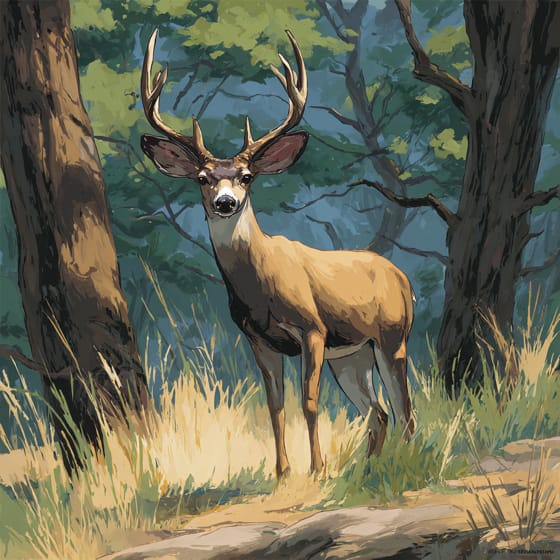
Odocoileus hemionus
Occasionally browses leaves and flowers.
Flowering plants are any plants that produce flowers as part of their reproductive cycle.
Spring blooming plants produce their flowers during the spring season, often signifying the end of winter and the start of new growth.
Everblooming plants produce flowers continuously or in repeated flushes over a long period.
Fragrant flowers emit a pleasant aroma, often to attract pollinators or for defense.

Colorful describes organisms or objects displaying a wide range of bright and distinct colors.

Grassland habitats are terrestrial biomes dominated by grasses and herbaceous plants, supporting a variety of grazing animals.

Describes plants that are particularly attractive and beneficial to a wide range of pollinating organisms.

Rapid growing plants exhibit accelerated growth rates, quickly increasing in size and biomass within a short period.
No aliases listed yet.
Danger
1/5 · Very low
Always look but don't touch flowers without asking an adult.
The easiest way to identify Douglas iris is to use the Snappit nature identifier app.
15-60 cm
30-60 cm
5-10 cm
Spring to early summer
No
Mild
Perennial
Zoom in to split clusters and explore where this object has been snapped.

California, US
You might spot Harbor Seal, Ochre Sea Star, and Sea Thrift.
View guide →

California, US
You might spot Elk, Northern Elephant Seal, and Button's Banana Slug.
View guide →

California, US
You might spot Pacific Banana Slug, Redwood, and Elk.
View guide →
.jpg)
California, US
You might spot California Phacelia and Twinberry Honeysuckle.
View guide →
Take the discovery with you
Snap it with Snappit to identify it, learn what makes it special, and add the discovery to your collection.








.jpg&width=800)


_001.jpg&width=800)




