





Dunn'S Salamander
plethodon dunni
The Dunn's Salamander is a small and colorful creature that loves to hide under rocks and logs. These slippery little friends are great at blending into their forest homes!
Habitat: They live in moist forests and under leaf litter in the Pacific Northwest.
The Dunn's Salamander is a slender amphibian, typically dark brown or black with a wavy yellow or greenish stripe running from its head down its back. Its underside is a mottled grey, and it possesses prominent bulging eyes. This distinct color pattern and sleek body shape help it blend into its rocky, stream-side habitat.
Category
AmphibiansRarity
Common
Danger
0/5 · No known danger
Snaps
Be the first to snap!
Female Dunn's Salamanders guard their eggs fiercely, staying with them until they hatch!
No lungs! Dunn's Salamanders breathe entirely through their skin and mouth lining, needing constant moisture.
These salamanders hatch as tiny versions of adults, completely skipping a tadpole stage!
They can sometimes live for over 25 years in captivity, making them tiny, long-lived amphibians!
Dunn's Salamander can absorb oxygen directly through its moist skin because it lacks lungs, helping it thrive in cool, damp environments.
Dunn's Salamander has a lightning-fast, sticky tongue that helps them snatch unsuspecting insects and other tiny prey.
Dunn's Salamander can drop its tail if grabbed by a predator, because this allows them to escape while the predator is distracted.
They munch on tiny invertebrates like insects, spiders, and mites found in damp soil and stream beds.
Thamnophis sirtalis
A common snake predator in their wetland habitat.

Dicamptodon tenebrosus
Larger salamanders sometimes prey on smaller ones.
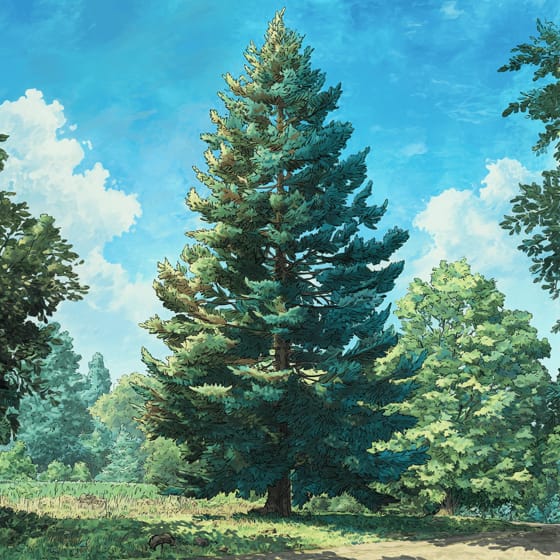
Pseudotsuga menziesii
Fallen logs and needles provide damp hiding spots.
Pardosa amentata
Small spiders are a common food source for them.
Marked with spots or patches of a different color.
Solitary animals live alone for most of their lives, only interacting with others for mating or parental care.
Forest habitats are terrestrial environments dominated by dense tree cover, supporting a high diversity of plant and animal life.
This trait identifies organisms whose diet consists entirely or primarily of animal tissue.

Nocturnal animals are primarily active during the nighttime hours, typically resting or sleeping during the day.
Danger
0/5 · No known danger
No special safety notes yet.
The easiest way to identify Dunn'S Salamander is to use the Snappit nature identifier app.
7.5-15 cm
0.003-0.01 kg
10-15 years
1.5 km/h
They munch on tiny invertebrates like insects, spiders, and mites found in damp soil and stream beds.
They live in moist forests and under leaf litter in the Pacific Northwest.
Foraging
Zoom in to split clusters and explore where this object has been snapped.
Recent snaps will appear here as new observations are added.
Take the discovery with you
Snap it with Snappit to identify it, learn what makes it special, and add the discovery to your collection.









.JPG&width=800)




.jpg&width=800)

