





Dusky-footed Woodrat
Neotoma fuscipes
The Dusky-footed Woodrat is a small, furry animal with big ears and a long tail. They build cozy nests from sticks and leaves, often in rocky areas or bushes.
Habitat: Forests
The Dusky-footed Woodrat has soft, brownish-gray fur on its back, transitioning to a lighter grey or white belly. It features large, dark eyes, prominent ears, and distinctive dark feet, contrasting with a long, well-furred tail.
Category
MammalsRarity
Common
Danger
1/5 · Very low
Snaps
1
Baby woodrats are born helpless, but they grow up quickly inside their cozy stick nests.
Each woodrat builds its own home, sometimes reaching the size of a small car!
They often collect shiny objects, like bottle caps, to decorate their elaborate stick homes!
Woodrats create latrines in their middens, keeping their living areas very clean!
Dusky-footed Woodrat has large eyes and sensitive whiskers that help it find its way and avoid predators in the dark.
Dusky-footed Woodrat can construct massive, multi-chambered nests from sticks and debris, protecting it from danger.
Dusky-footed Woodrat can get most of its water from the plants it eats, rarely needing to drink extra water.
Eats leaves, seeds, fruits, and fungi, getting most water from its plant-rich food.
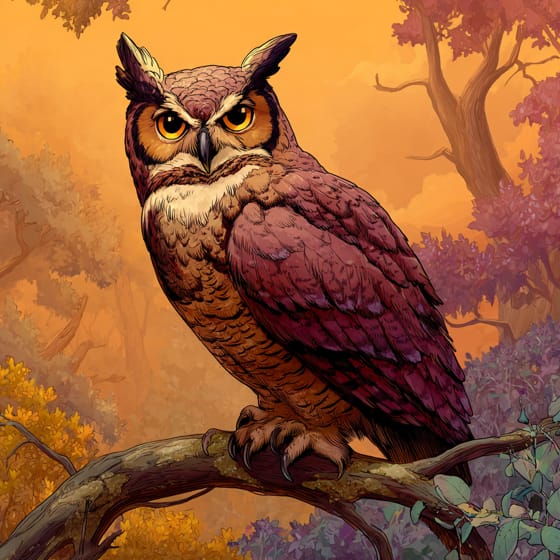
Bubo virginianus
Owls are common predators that hunt woodrats at night.
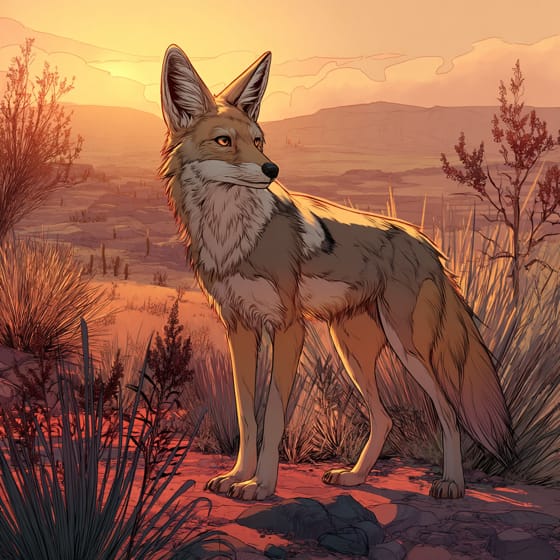
Canis latrans
Coyotes frequently prey on woodrats as a food source.

Crotalus viridis
Rattlesnakes hunt woodrats inside their middens or nearby.

Quercus agrifolia
Woodrats eat its leaves and acorns, and build nests in it.
Pinus ponderosa
Woodrats often build their protective stick middens at its base.
Furry describes animals possessing a dense covering of soft hair or fur.
Solitary animals live alone for most of their lives, only interacting with others for mating or parental care.
Burrowing animals dig tunnels and chambers in the ground, using these subterranean structures for shelter, hunting, or breeding.
This trait characterizes organisms whose diet consists entirely or primarily of plant material.

Forest habitats are terrestrial environments dominated by dense tree cover, supporting a high diversity of plant and animal life.

Describes a species whose presence and role have a disproportionately large effect on its environment.

Nocturnal animals are primarily active during the nighttime hours, typically resting or sleeping during the day.
No aliases listed yet.
Danger
1/5 · Very low
If you see a woodrat, watch quietly from a distance. They are shy and like to be left alone.
The easiest way to identify Dusky-footed Woodrat is to use the Snappit nature identifier app.
31-48 cm
0.15-0.3 kg
2-3 years
15 km/h
Eats leaves, seeds, fruits, and fungi, getting most water from its plant-rich food.
Forests
Foraging
Zoom in to split clusters and explore where this object has been snapped.
Take the discovery with you
Snap it with Snappit to identify it, learn what makes it special, and add the discovery to your collection.






.jpg&width=800)


.JPG&width=800)

.jpg&width=800)
