Western Rattlesnake
Crotalus oreganus
The Western Rattlesnake is a cool snake known for its rattling tail! It uses its rattle to warn others when it feels scared. These snakes can be found in many places and are important for nature.
Habitat: Desert
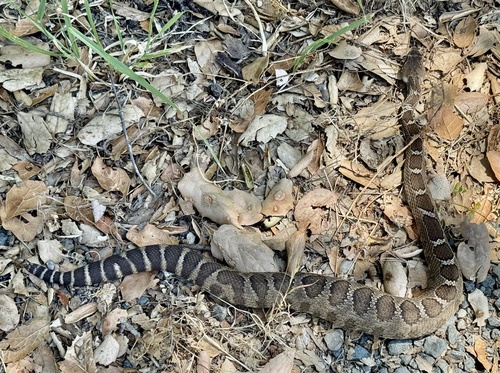
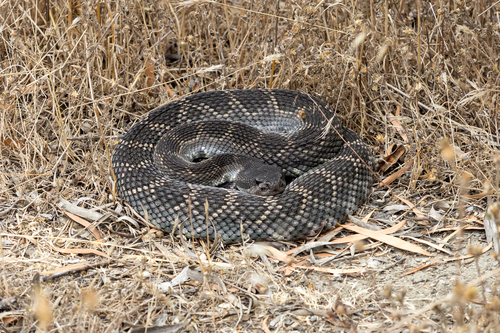
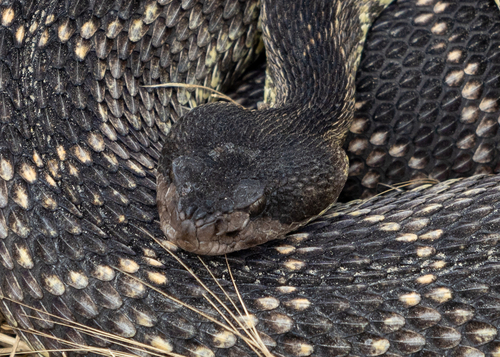
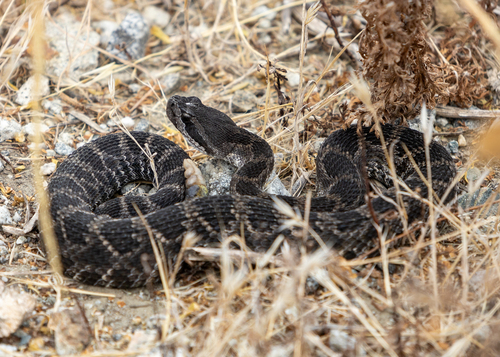
The Western Rattlesnake has a stout body with diamond or blotchy patterns, usually in shades of brown, tan, or grey, edged in white or cream. Its triangular head is notably broader than its neck, and it famously ends with a segmented rattle, making it distinct from non-venomous snakes.
Category
ReptilesRarity
Common
Danger
5/5 · Extreme
Snaps
25
A rattlesnake's strike is incredibly fast, faster than a blink, but only covers a short distance!
Their fangs are like tiny, foldable hypodermic needles that inject venom into prey!
They add a new segment to their rattle each time they shed their skin, but not every year!
Unlike most snakes, Western Rattlesnakes give birth to live baby snakes, not eggs!
Western Rattlesnake can 'see' warm-blooded prey using special pits on its face that detect heat, even in total darkness.
Western Rattlesnake can vibrate its unique tail segments to create a loud, distinctive rattle, warning off potential threats.
Western Rattlesnake has retractable, hollow fangs that deliver potent venom, allowing it to quickly immobilize its prey.
This snake is a carnivore, primarily hunting small mammals and birds using its venomous bite.
Age differences: Younger rattlesnakes may consume a higher proportion of lizards and smaller rodents than adults.
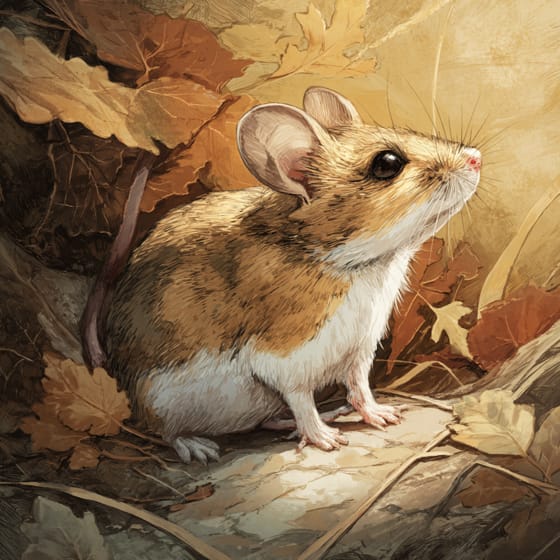
Peromyscus maniculatus
A primary food source for adults and juveniles.

Thomomys bottae
Frequently preys on these burrowing rodents.
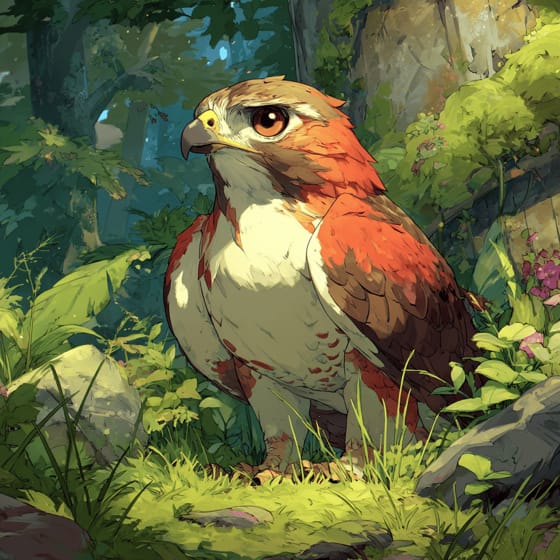
Buteo jamaicensis
Large raptors can prey on juvenile rattlesnakes.
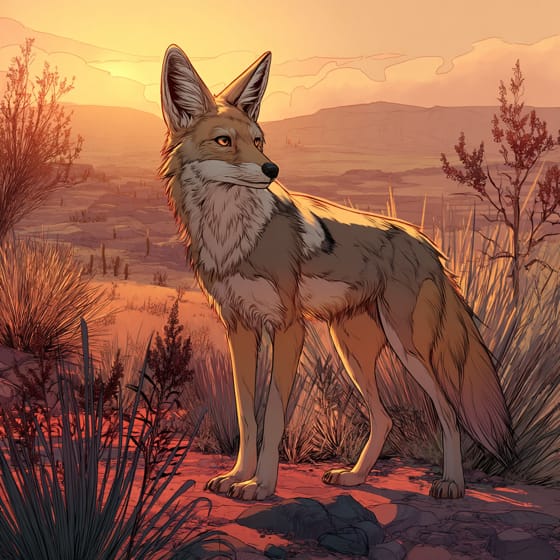
Canis latrans
Known to occasionally prey on rattlesnakes.
Marked with spots or patches of a different color.
Solitary animals live alone for most of their lives, only interacting with others for mating or parental care.
Camouflaged describes organisms that possess coloring or patterns that allow them to blend into their environment.
Desert habitats are arid regions characterized by extremely low precipitation and often extreme temperatures, supporting specialized flora and fauna.

An ambush predator hunts by patiently waiting and concealing itself, then launching a sudden attack when unsuspecting prey comes within range.

This trait characterizes organisms with an exceptionally long lifespan compared to others of their kind.

This trait identifies organisms whose diet consists entirely or primarily of animal tissue.

Diurnal animals are primarily active during daylight hours, typically resting or sleeping at night.

Describes a species whose presence and role have a disproportionately large effect on its environment.

Venomous organisms produce toxins that are injected into another animal, typically through a bite or sting.
Danger
5/5 · Extreme
If you see a rattlesnake, stay calm and walk away slowly. It's best to admire them from a distance.
The easiest way to identify Western Rattlesnake is to use the Snappit nature identifier app.
50-165 cm
0.2-1.5 kg
10-20 years
5 km/h
This snake is a carnivore, primarily hunting small mammals and birds using its venomous bite.
Desert
Ambush
Zoom in to split clusters and explore where this object has been snapped.
Jun 16, 2026
Arastradero PreservePhoto attribution
no rights reserved
License: CC0 1.0 ↗
Image may be shown cropped inside the card frame.
Jun 6, 2026
Venice Canal Historic DistrictPhoto attribution
(c) Roberto Daniel Avila, some rights reserved (CC BY)
License: CC BY 4.0 ↗
Image may be shown cropped inside the card frame.
Jun 6, 2026
Venice Canal Historic DistrictPhoto attribution
(c) Roberto Daniel Avila, some rights reserved (CC BY)
License: CC BY 4.0 ↗
Image may be shown cropped inside the card frame.
Jun 6, 2026
Venice Canal Historic DistrictPhoto attribution
(c) Roberto Daniel Avila, some rights reserved (CC BY)
License: CC BY 4.0 ↗
Image may be shown cropped inside the card frame.

California, US
You might spot Acorn Woodpecker and Western Fence Lizard.
View guide →

California, US
You might spot Warrior's Plume and Purple Owl's-Clover.
View guide →

California, US
You might spot Western Fence Lizard and Pacific Poison Oak.
View guide →
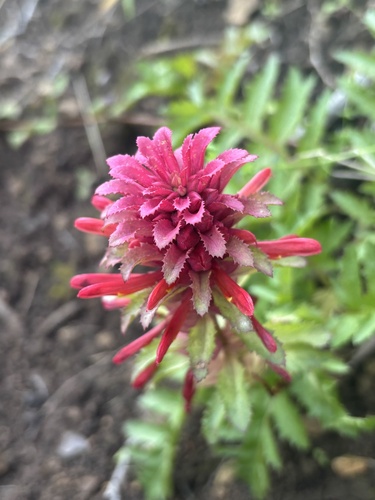
California, US
You might spot Warrior's Plume, Western Leatherwood, and White Globe Lily.
View guide →

Washington, US
You might spot Whitebark Pine, Subalpine Larch, and White Pasqueflower.
View guide →

California, US
You might spot Western Fence Lizard, Duck, and Canada Goose.
View guide →
Take the discovery with you
Snap it with Snappit to identify it, learn what makes it special, and add the discovery to your collection.