Penguin

Birch Aquarium at Scripps is San Diego's premier oceanographic museum and aquarium, perched dramatically above the Pacific.
Birch Aquarium at Scripps is San Diego's premier oceanographic museum and aquarium, perched dramatically above the Pacific. This public outreach center for the renowned Scripps Institution of Oceanography offers an immersive journey into marine science and conservation. With over 9,000 animals across 400 species, it provides a unique blend of captivating exhibits and breathtaking ocean vistas, making it a must-visit destination for anyone fascinated by the underwater world.
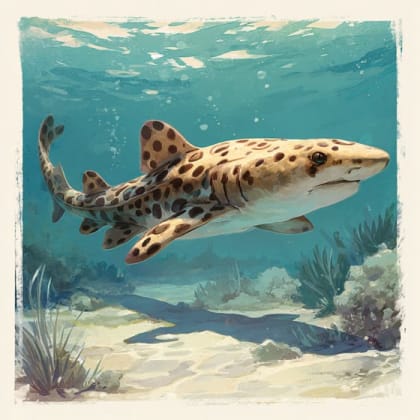
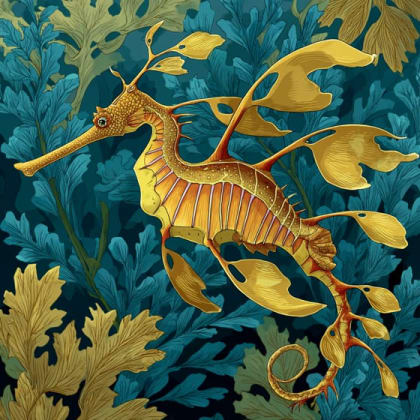
Visitors can marvel at the iconic 70,000-gallon, two-story Giant Kelp Forest exhibit, where leopard sharks, moray eels, and the endangered giant black sea bass glide through swaying kelp. The Beyster Family Little Blue Penguins habitat showcases the world's smallest penguins, offering an enchanting view of these birds waddling, swimming, and nesting in an environment mimicking their Australian and New Zealand homes. The Seadragons & Seahorses exhibit is another highlight, featuring an expansive habitat for delicate leafy and weedy seadragons, along with various seahorse species, and highlighting the aquarium's global leadership in seahorse conservation and breeding.
Beyond the indoor displays, the outdoor Tide Pool Plaza offers a chance for hands-on interaction with local tide pool animals like sea stars and hermit crabs, all while enjoying panoramic views of La Jolla Shores and the Pacific Ocean. With its focus on connecting understanding to protecting our ocean planet, Birch Aquarium offers an engaging and educational experience that inspires awe, curiosity, and empowers visitors to take action for a healthier ocean. Eager to name that creature? Identify any animal you find during your visit using the Snappit app.
Birch Aquarium's roots trace back to 1903 with the establishment of the Marine Biological Association of San Diego, formed to conduct marine research in local Pacific waters. The founders created a small public aquarium and museum to share their discoveries. Over the years, the institution grew, eventually becoming the Scripps Institution of Oceanography. The current $14 million aquarium opened in 1992, named the Stephen Birch Aquarium-Museum after a significant donation from the Stephen and Mary Birch Foundation, which initiated fundraising for the new facility in 1985. It serves as the public outreach center for Scripps Institution of Oceanography, bridging scientific research with public education and conservation efforts.
Engage with interactive exhibits, attend daily animal feedings and talks, explore the outdoor plaza, and take in the magnificent ocean views. Consider a behind-the-scenes tour for penguins, seahorses, or octopuses for a deeper dive.
Summer: "Shark Summer" events often take place from July to early August, featuring shark exploration stations and talks.
Winter/Spring: The best time for tidepooling in Southern California is typically December through March, especially during minus tides when more creatures are exposed.
During winter and early spring, the Tide Pool Plaza offers a phenomenal spot to scan the horizon for the annual Gray Whale migration.
Birch Aquarium is wheelchair accessible, with designated accessible parking spaces and ramps on Tide Pool Plaza and at the Little Blue Penguins exhibit. Wheelchairs are available to borrow, and trained service animals are permitted. The aquarium is also a KultureCity Certified Sensory Inclusive Venue.
A two-story, 70,000-gallon tank showcasing the local kelp forest ecosystem with leopard sharks, moray eels, and giant black sea bass.
Observe the world's smallest penguins in their specialized habitat, complete with an 18,000-gallon lagoon and discovery cave. Don't miss the daily penguin feeding at 10 a.m. or the Penguins 101 presentation at 3 p.m.
An expansive exhibit dedicated to seahorses, pipefish, and delicate leafy and weedy seadragons, highlighting conservation efforts.
An outdoor area offering touch tanks with local tide pool animals and stunning ocean views.
Each card links to a full Explore page with photos, traits, and fun facts.
Start with the big picture, then zoom in to explore individual wildlife observations around this place.
Book Tickets in Advance
Advanced reservations are recommended, especially on busy days, to guarantee entry.
Arrive Early or Late
To avoid peak crowds (9 a.m. to 2 p.m.), plan your visit for opening time or later in the afternoon (after 3 p.m.).
Utilize Free Parking Wisely
Take advantage of the three hours of complimentary parking. If you plan to explore nearby La Jolla afterward, be mindful of the time limit or consider extending it with a permit.
Don't Miss the Tide Pool Plaza
Beyond the touch tanks, this outdoor area offers some of the best panoramic ocean views in San Diego – perfect for photos and relaxation.
Check Daily Schedule
Consult the daily schedule upon arrival for animal feeding times, talks, and any special events to make the most of your visit.
Turn off Flash Photography
While photography is generally allowed, remember to turn off your flash in exhibits to protect the animals. Selfie sticks are permitted but cannot be used as tripods or held over habitats.
Jun 5, 2026
Photo attribution
(c) TonyT, some rights reserved (CC BY)
License: CC BY 4.0 ↗
Image may be shown cropped inside the card frame.
Jun 6, 2026
Jun 6, 2026
Jun 5, 2026
Jun 5, 2026

Ohio, US
You might spot Sand Tiger Shark, Nurse Shark, and Cow.
View guide →

California, US
You might spot Orca, Bottlenose Dolphin, and Beluga Whale.
View guide →

Illinois, US
You might spot Beluga Whale, Pacific White-Sided Dolphin, and Sea Otter.
View guide →

Texas, US
You might spot Brown-Throated Three-Toed Sloth, Ant, and Penguin.
View guide →
Take the discovery with you
Identify the wildlife you spot, learn as you go, and keep a collection of the adventure.