Eastern Black-Legged Tick
ixodes scapularis
The Eastern Black-Legged Tick, commonly known as the deer tick, is a small arachnid of significant public health concern. It is most notorious for its role as the primary vector for Lyme disease in eastern North America. This species undergoes a complex three-stage life cycle (larva, nymph, adult), each stage typically requiring a blood meal from a different host, ranging from small rodents and birds to deer and humans. Its ability to transmit pathogens makes it a crucial subject for ecological and medical study, highlighting the intricate connections between wildlife, environmental conditions, and human health. Understanding its biology and behavior is essential for preventing tick-borne illnesses.
Habitat: This species is found in deciduous and coniferous forests, shrublands, and areas with tall grasses and leaf litter, preferring humid environments to prevent desiccation.
The Eastern Black-Legged Tick is a small arachnid, typically reddish-brown to black, with females being larger and having a distinct dark 'scutum' (shield) covering only part of their back, while the male's scutum covers most of its body. Unfed adults are generally about 2-3 mm long, roughly the size of a sesame seed, but can swell significantly when engorged with blood, reaching up to 10-12 mm. Nymphs are considerably smaller, often less than 1 mm, making them very difficult to spot. They possess eight legs in their nymph and adult stages, and six as larvae.
Category
InvertebrateRarity
Common
Danger
1/5 · Very low
Snaps
5
A single female Eastern Black-Legged Tick can lay up to 3,000 eggs after a successful blood meal.
Nymphal ticks are responsible for the majority of human Lyme disease transmissions because they are tiny, hard to spot, and active during peak outdoor activity season.
Ticks can survive submerged in water for up to 2-3 days, though they prefer dry land.
Unlike many insects, ticks are arachnids, meaning they are more closely related to spiders and scorpions than to insects.
Ticks climb vegetation and extend their front legs, waiting to grab onto a passing host. This behavior, known as 'questing,' allows them to efficiently find blood meals.
When biting, the tick injects saliva containing anesthetic and anticoagulant properties. This allows it to feed unnoticed for extended periods and prevents blood clotting.
The tick can enter a state of suspended development, or diapause, allowing it to survive unfavorable environmental conditions or periods of host scarcity, ensuring its survival across seasons.
The Eastern Black-Legged Tick is an obligate ectoparasite, meaning it feeds exclusively on the blood of vertebrate hosts throughout its life stages. Each stage (larva, nymph, adult) requires a single blood meal to molt or reproduce.
Age differences: Larvae typically feed on small mammals and birds. Nymphs feed on a wider range of small to medium-sized mammals and birds, including humans. Adults primarily feed on larger mammals, especially white-tailed deer.

Odocoileus virginianus
Primary host for adult ticks, crucial for reproduction.

Peromyscus leucopus
Reservoir host for Lyme disease bacteria (Borrelia burgdorferi), infecting larval and nymphal ticks.
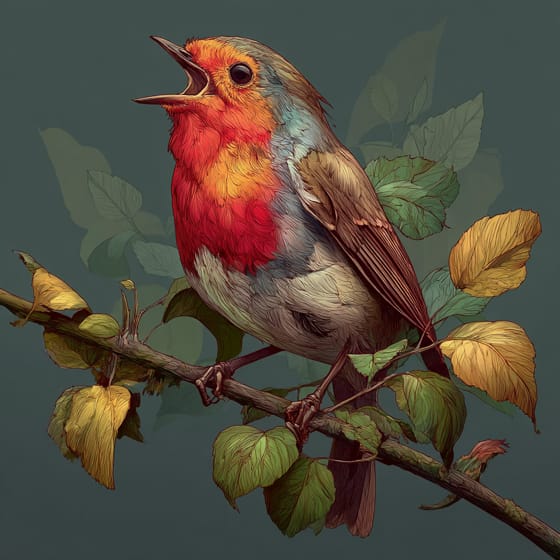
Turdus migratorius
Can be host to larval and nymphal ticks, contributing to pathogen spread.

Homo sapiens
Ticks can transmit anaplasmosis and babesiosis to humans.
No trait badges are assigned for this object yet.
No aliases listed yet.
Collections for this object will appear here as more themes are added.
Danger
1/5 · Very low
No special safety notes yet.
The easiest way to identify Eastern Black-Legged Tick is to use the Snappit nature identifier app.
1-12 cm
0.000001-0.0005 kg
2-3 years
The Eastern Black-Legged Tick is an obligate ectoparasite, meaning it feeds exclusively on the blood of vertebrate hosts throughout its life stages. Each stage (larva, nymph, adult) requires a single blood meal to molt or reproduce.
This species is found in deciduous and coniferous forests, shrublands, and areas with tall grasses and leaf litter, preferring humid environments to prevent desiccation.
Ambush
1500-3000
Zoom in to split clusters and explore where this object has been snapped.

New York, US
You might spot American White Waterlily, Buttonbush, and Common Milkweed.
View guide →

Massachusetts, US
You might spot Threeleaf Goldthread and Spotted Salamander.
View guide →

Michigan, US
You might spot Yellow Lady's Slipper and Ring-Billed Gull.
View guide →

New Jersey, US
You might spot American Beech, Garlic Mustard, and Spotted Lanternfly.
View guide →

Delaware, US
You might spot American Toad, Eastern Tiger Swallowtail, and Red Fox.
View guide →
Take the discovery with you
Snap it with Snappit to identify it, learn what makes it special, and add the discovery to your collection.