





eastern leatherwood
Dirca palustris
Eastern leatherwood is a special shrub with soft, flexible branches. It grows in wet places and has beautiful yellow flowers that bloom in spring, making it a lovely sight in nature.
Habitat: Wetlands
The eastern leatherwood is a multi-stemmed shrub with smooth, grayish-brown bark. It has clusters of small, bell-shaped pale yellow flowers appearing on bare branches in early spring, followed by oval green leaves that turn yellow in fall. Its extremely flexible branches are distinctive.
Category
PlantsRarity
Common
Danger
1/5 · Very low
Snaps
3
Early bees love its nectar, making it a crucial 'breakfast' spot after a long winter nap!
Its bark is so strong and pliable, Native Americans once used it to weave rope and baskets!
The name "leatherwood" truly fits because its branches are as tough and flexible as leather!
This amazing plant is one of the very first to flower in the eastern forests each spring!
Eastern leatherwood has incredibly flexible branches that can bend dramatically without breaking, helping it survive heavy snow and wind.
This shrub blooms in early spring before its leaves emerge, giving early insects a vital food source.
Eastern leatherwood can thrive in moist, shady wetland habitats where many other shrubs struggle to grow.
Apis mellifera
collects nectar and pollen

Bombus impatiens
collects nectar and pollen
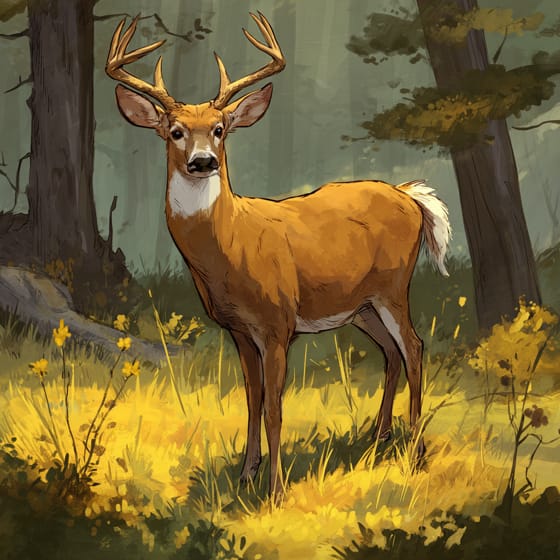
Odocoileus virginianus
occasionally browses its leaves and twigs
Deciduous plants periodically shed all their leaves, typically during autumn or dry seasons.
Flowering plants are any plants that produce flowers as part of their reproductive cycle.
A shrub is a woody plant smaller than a tree, typically with multiple stems branching from or near the ground.
Spring blooming plants produce their flowers during the spring season, often signifying the end of winter and the start of new growth.

Fragrant flowers emit a pleasant aroma, often to attract pollinators or for defense.

Describes plants that are particularly attractive and beneficial to a wide range of pollinating organisms.

This habitat trait identifies species found in wetlands, which are areas of land saturated with water, either permanently or seasonally, including marshes, swamps, and bogs.

Endangered status indicates a species is at a very high risk of extinction in the wild in the near future.
No aliases listed yet.
Danger
1/5 · Very low
Always stay on paths when exploring and look but don't touch plants unless you know they're safe.
The easiest way to identify eastern leatherwood is to use the Snappit nature identifier app.
100-300 cm
100-200 cm
1-1.5 cm
Early spring
No
None
Perennial
Zoom in to split clusters and explore where this object has been snapped.

West Virginia, US
You might spot Great Rhododendron and Mountain Laurel.
View guide →
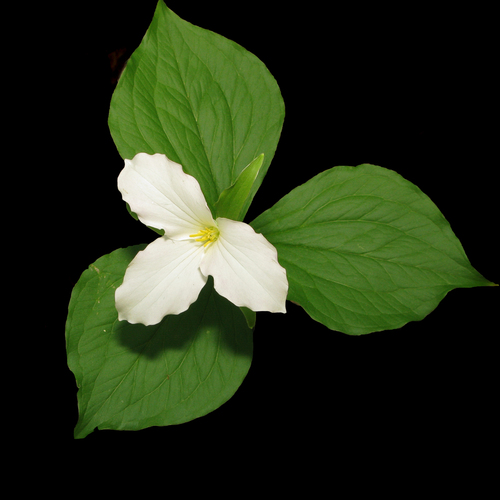
Ohio, US
You might spot Large White Trillium, Virginia Saxifrage, and Bloodroot.
View guide →
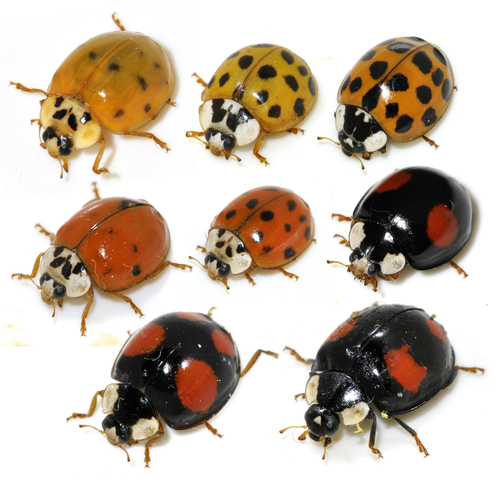
Indiana, US
You might spot Asian Lady Beetle and North American Wheel Bug.
View guide →
Take the discovery with you
Snap it with Snappit to identify it, learn what makes it special, and add the discovery to your collection.







.jpg&width=800)


_001.jpg&width=800)




