





Sheep's sorrel
Rumex acetosella
Sheep's sorrel is a small, leafy plant that grows close to the ground. Its leaves are shaped like little arrows and can be sour to taste, making it a fun plant to discover in nature!
Habitat: Grasslands
The Sheep's sorrel has slender, reddish stems and distinctive arrow-shaped leaves. Its tiny, reddish-green flowers grow in tall, narrow clusters, often giving fields a rusty hue from a distance.
Category
PlantsRarity
Common
Danger
1/5 · Very low
Snaps
22
It's sometimes called "sour weed" because of its taste!
Its tangy leaves are sometimes used in salads or soups!
Sheep's sorrel has male and female flowers on different plants!
This plant is often a sign of acidic soil nearby!
Sheep's sorrel can spread rapidly using underground stems called rhizomes, helping it colonize new areas quickly.
Sheep's sorrel has an amazing tolerance for acidic soils, allowing it to thrive where other plants struggle to grow.
Its leaves contain oxalic acid, giving them a tangy taste that helps deter some hungry animals from eating too much.
Sheep's sorrel releases vast amounts of tiny pollen into the wind for reproduction, not relying on insects for pollination.
Lycaena phlaeas
larvae feed on its leaves
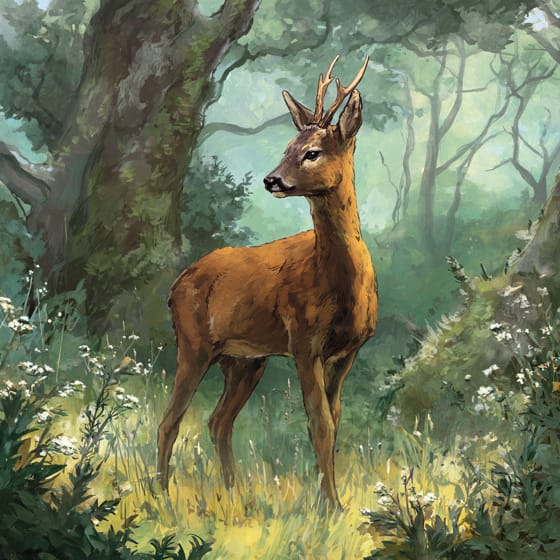
Capreolus capreolus
deer graze on its foliage
Ovis aries
a common food source for grazing sheep
Flowering plants are any plants that produce flowers as part of their reproductive cycle.
Medicinal plants possess chemical compounds that can be used for therapeutic purposes to treat illnesses or maintain health.
Edible plants are those parts of a plant that are considered safe for human consumption.
Grassland habitats are terrestrial biomes dominated by grasses and herbaceous plants, supporting a variety of grazing animals.

Describes plants that are particularly attractive and beneficial to a wide range of pollinating organisms.

Rapid growing plants exhibit accelerated growth rates, quickly increasing in size and biomass within a short period.

Describes organisms that transfer pollen, enabling the fertilization and reproduction of plants.
No aliases listed yet.
Danger
1/5 · Very low
Always check with an adult before tasting any wild plants.
The easiest way to identify Sheep's sorrel is to use the Snappit nature identifier app.
10-40 cm
10-30 cm
Late_spring, Summer
Yes
Mild
Perennial
Wind
Zoom in to split clusters and explore where this object has been snapped.

Illinois, US
You might spot Viceroy, Common Wood-Nymph, and Acadian Hairstreak.
View guide →

Wisconsin, US
You might spot Sundial Lupine, Canadian Lousewort, and Cream Wild-Indigo.
View guide →

New York, US
You might spot Giraffes, Kangaroos, Wallabies and Allies, and Capybara.
View guide →

New Jersey, US
You might spot African Elephant and White Rhinoceros.
View guide →

Pennsylvania, US
You might spot Duck, Staghorn Sumac, and American Robin.
View guide →

Hawaii, US
You might spot 'āhinahina, Kūpaoa, and Chukar.
View guide →
Take the discovery with you
Snap it with Snappit to identify it, learn what makes it special, and add the discovery to your collection.








.jpg&width=800)



_001.jpg&width=800)



