





absinthe wormwood
Artemisia absinthium
Absinthe wormwood is a tall plant with beautiful, silvery-green leaves. It has a strong smell and is known for its use in drinks and herbal remedies.
Habitat: Grasslands
The absinthe wormwood is a striking plant with finely divided, silvery-green leaves that feel soft and fuzzy. It grows upright, producing tiny, yellowish, inconspicuous flowers on branched stems in late summer. Its unique color makes it stand out from other green plants.
Category
PlantsRarity
Common
Danger
2/5 · Low
Snaps
3
A famous green drink called 'absinthe' was named after this very plant!
Ancient Egyptians and Greeks used this special plant for its healing and protective powers.
Its super bitter taste is so strong, it inspired the word 'wormwood' for something unpleasant!
This tough plant can grow in really poor soil where many other plants struggle to survive.
Absinthe wormwood produces super bitter chemicals that make most hungry animals avoid eating its leaves.
It has silvery-green, fuzzy leaves that reflect harsh sunlight, helping it stay cool and save water.
This plant can release chemicals into the soil that stop other plants from growing too close to it.
Aphis absinthii
This aphid feeds specifically on the sap of wormwood plants.
Chamaesphecia annellata
Its larvae bore into and consume the roots of the wormwood plant.
Puccinia absinthii
This fungus infects wormwood plants, causing rust-like lesions.
Aromatic plants produce and emit fragrant volatile organic compounds, often for defense or to attract pollinators.
Flowering plants are any plants that produce flowers as part of their reproductive cycle.
Biennial plants complete their life cycle over two growing seasons, typically forming foliage in the first year and flowering/seeding in the second.
Cold hardy plants are able to withstand low temperatures and freezing conditions without significant damage.

Fragrant flowers emit a pleasant aroma, often to attract pollinators or for defense.

Medicinal plants possess chemical compounds that can be used for therapeutic purposes to treat illnesses or maintain health.

Drought-tolerant plants can survive and flourish in conditions with limited water availability.

Edible plants are those parts of a plant that are considered safe for human consumption.

Grassland habitats are terrestrial biomes dominated by grasses and herbaceous plants, supporting a variety of grazing animals.

This human use trait indicates species from which spices are derived, used for flavoring, preserving food, or as aromatic agents.
No aliases listed yet.
Danger
2/5 · Low
Do not eat any part of this plant without asking an adult first.
The easiest way to identify absinthe wormwood is to use the Snappit nature identifier app.
60-150 cm
30-90 cm
0.2-0.5 cm
Summer
No
Moderate
Perennial
Zoom in to split clusters and explore where this object has been snapped.

Maine, US
You might spot Ghost Pipe, Pink Lady's Slipper, and Bluebead Lily.
View guide →

North Dakota, US
You might spot African Lion, Tiger, and Reticulated Giraffe.
View guide →

Minnesota, US
You might spot Red-Tailed Hawk, Canada Goose, and Western Meadowlark.
View guide →
South Dakota, US
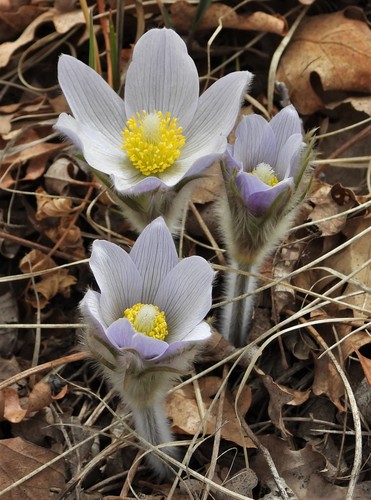
You might spot Prairie Pasqueflower and Common Buckthorn.
View guide →
Take the discovery with you
Snap it with Snappit to identify it, learn what makes it special, and add the discovery to your collection.








.jpg&width=800)


_001.jpg&width=800)



