





Echo Moth
Seirarctia echo
The Echo Moth is a beautiful insect with soft, furry wings. It has a unique pattern that helps it blend into its surroundings, making it a special part of nature's magic.
Habitat: Forests
The Echo Moth has crisp white forewings adorned with intricate black spots and markings. Its hindwings are a vibrant yellow or orange, prominently featuring contrasting black spots, making it stand out from plainer moths.
Category
InsectsRarity
Common
Danger
1/5 · Very low
Snaps
5
Despite its name, the Echo Moth doesn't make an audible echo!
Its caterpillars are furry "woolly bears" that munch on many plants!
Some scientists study their clicks to understand bat avoidance strategies.
They fly mainly at night, but are sometimes seen during the day!
Echo Moth can produce ultrasonic clicks because of specialized organs, that help them jam bat sonar and escape predators.
Echo Moth has brightly colored hindwings that helps them warn predators they might be unpalatable, by flashing a warning.
Echo Moth caterpillars can absorb toxins from plants, which helps them become distasteful to predators throughout their life.
Adult moths sip nectar, while caterpillars munch on leaves from various plants.
Age differences: Caterpillars eat plant leaves; adults primarily feed on flower nectar or do not feed.
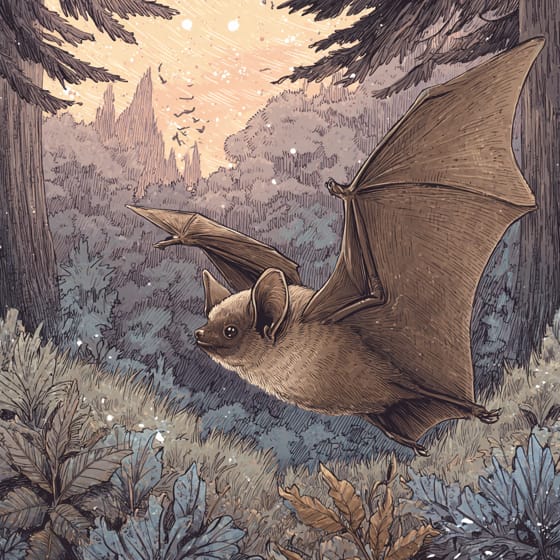
Myotis lucifugus
Its ultrasonic clicks help evade this predator.
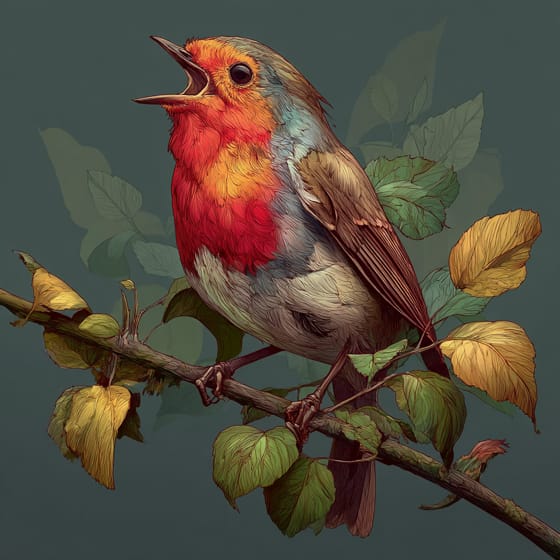
Turdus migratorius
Birds may prey on both caterpillars and adult moths.
Quercus virginiana
Larvae frequently feed on the leaves of this tree.
.jpg&width=800)
Lantana camara
Adult moths often visit its flowers for nectar.
Furry describes animals possessing a dense covering of soft hair or fur.
Solitary animals live alone for most of their lives, only interacting with others for mating or parental care.
Camouflaged describes organisms that possess coloring or patterns that allow them to blend into their environment.
This trait characterizes organisms whose diet consists entirely or primarily of plant material.

Forest habitats are terrestrial environments dominated by dense tree cover, supporting a high diversity of plant and animal life.

Nocturnal animals are primarily active during the nighttime hours, typically resting or sleeping during the day.

Describes organisms that transfer pollen, enabling the fertilization and reproduction of plants.
No aliases listed yet.
Danger
1/5 · Very low
It's best to watch moths from a distance and not touch them.
The easiest way to identify Echo Moth is to use the Snappit nature identifier app.
30-50 mm
15-25 mm
7-14 days
Adult moths sip nectar, while caterpillars munch on leaves from various plants.
Forests
Foraging
6
Zoom in to split clusters and explore where this object has been snapped.

Florida, US
You might spot Brown Pelican, Black Spiny-Tailed Iguana, and Sea Grape.
View guide →

Florida, US
You might spot Anhinga, American Alligator, and Wood Duck.
View guide →
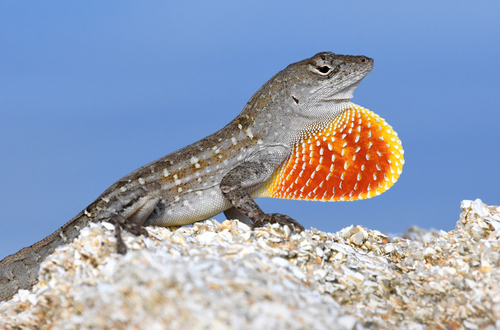
Florida, US
You might spot Brown Anole, Sanderling, and Great Southern White.
View guide →

Florida, US
You might spot Firewheel, Black Mangrove, and Yaupon Holly.
View guide →
Take the discovery with you
Snap it with Snappit to identify it, learn what makes it special, and add the discovery to your collection.







.jpg&width=800)



