

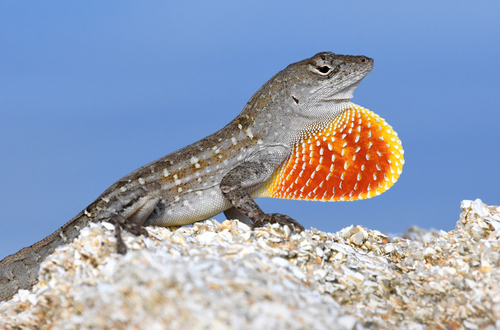
Brown Anole
Discover coastal paradise at Gamble Rogers Memorial State Recreation Area.
Discover coastal paradise at Gamble Rogers Memorial State Recreation Area. This captivating park stretches across a narrow barrier island, perfectly positioned between the azure Atlantic Ocean and the serene Intracoastal Waterway. Named in honor of beloved Florida folk singer Gamble Rogers, the park offers a unique blend of sun-drenched beaches, diverse ecosystems, and rich cultural history, making it a truly special destination.
Visitors can explore a half-mile of stunning coquina sand beach, perfect for swimming, sunbathing, and shelling, or venture to the tranquil Joe Kenner Nature Trail that winds through a shady maritime hammock, alive with plant and animal life. The park is a haven for birdwatchers, being part of the Great Florida Birding Trail, and offers chances to spot Bottlenose Dolphins, various sea turtle species like Loggerheads and Greens, and even the occasional Manatee in the waterways. Overhead, keep an eye out for soaring Osprey and graceful Great Blue Herons.
Whether you're casting a line into the surf, paddling a kayak along the Intracoastal Waterway, or waking up to ocean breezes in one of its unique campgrounds, Gamble Rogers promises memorable experiences. Its distinctive coquina sand, vibrant wildlife, and array of recreational activities provide a quintessential Florida coastal adventure, inviting guests to connect with nature and unwind amidst breathtaking scenery. Eager to name that creature? Identify any animal you find during your visit using the Snappit app.
The area now known as Gamble Rogers Memorial State Recreation Area has historical roots dating back to 1886, when it served as the site of the Flagler Beach House of Refuge, a critical life-saving service aiding shipwrecked sailors. The park was later named to honor James Gamble Rogers IV, a celebrated Florida folk singer and storyteller. In a tragic and heroic act in October 1991, Rogers drowned in the heavy surf of Flagler Beach while attempting to rescue a man caught in a rip current. The Florida Legislature renamed the park in 1992 to commemorate his bravery and legacy.
Enjoy swimming, sunbathing, and searching for shells on the beach. Fish from the beach or the Intracoastal Waterway for species like redfish, flounder, and bluefish. Explore the Joe Kenner Nature Trail by hiking or bicycling. Launch a kayak, canoe, or paddleboard to explore the Matanzas River. Birdwatching is a popular activity, with opportunities to see a wide array of shorebirds and migratory species. Picnicking facilities are available on both sides of the park.
Summer (May-September): Sea turtle nesting season. The park can be crowded.
Winter (November-March): Manatee sightings are more frequent in warmer waters. North Atlantic Right Whale season offshore.
Spring/Fall: Excellent for migratory bird viewing.
The park offers several accessible amenities, including accessible boardwalks and a ramp to the beach, accessible bathhouses with showers and restrooms, accessible picnic pavilions, tables, grills, and a canoe/kayak launch. Beach wheelchairs are available upon request from the ranger station, and several campsites are accessible.
A half-mile stretch of coquina sand for swimming, sunbathing, and shelling.
A ¾-mile trail winding through a coastal maritime hammock, offering insights into local flora and fauna.
Access for boating, kayaking, canoeing, and fishing, with a boat ramp available.
Two distinct camping experiences, one overlooking the Atlantic and the other by the Intracoastal.
Each card links to a full Explore page with photos, traits, and fun facts.
Start with the big picture, then zoom in to explore individual wildlife observations around this place.
Book campsites early
** Oceanfront sites and popular times fill up quickly, so reserve well in advance.
Stay hydrated and protected
Florida weather can be intense; bring plenty of water, use sunscreen, and wear sun-protective clothing.
Check the tides
For optimal birdwatching, shelling, or fishing, consult tide schedules before your visit.
Be aware of natural hazards
Learn to spot rip currents, and be mindful of potential wildlife encounters with venomous snakes or alligators (especially near the Intracoastal Waterway).
Pets are welcome but with restrictions
Leashed dogs are generally allowed throughout the park and campgrounds, but not directly on the swimming beach.
Explore both sides
The park is divided by A1A, offering distinct experiences on the ocean and Intracoastal sides, so plan to visit both.
Jun 1, 2026
May 29, 2026
May 26, 2026
May 26, 2026
May 26, 2026

Maryland, US
You might spot White-Tailed Deer and Eastern Gray Squirrel.
View guide →

District of Columbia, US
You might spot Eastern Gray Squirrel, Duck, and House Sparrow.
View guide →

Illinois, US
You might spot American Robin, Canada Goose, and House Sparrow.
View guide →

Virginia, US
You might spot Spotted Lanternfly and Northern Cardinal.
View guide →
Take the discovery with you
Identify the wildlife you spot, learn as you go, and keep a collection of the adventure.