





Emerald Spreadwing
Lestes dryas
The Emerald Spreadwing is a beautiful dragonfly with bright green wings. It loves to flutter around wetlands and ponds, showing off its shiny colors to everyone nearby.
Habitat: Wetlands
The Emerald Spreadwing has a vibrant metallic green body that shines in the sunlight, often with pale yellow stripes on its sides. Its clear wings are held spread out and angled back when resting, making it look different from many other damselflies that fold their wings over their backs.
Category
InsectsRarity
Common
Danger
1/5 · Very low
Snaps
2
Their babies live underwater for years, breathing with special tail gills!
These insects use spiky legs like a basket to scoop up flying snacks in mid-air!
They lay their tiny eggs right inside plant stems, often under the water!
When resting, Emerald Spreadwings hold their wings wide open, unlike most other damselflies!
Emerald Spreadwing can hold its wings open at rest because this posture helps them warm up faster in the sun.
Emerald Spreadwing has gills on its tail as a nymph that helps them breathe and hunt aquatic prey underwater for years.
Emerald Spreadwing can catch tiny flying insects in mid-air because its agile flight allows for precise, quick maneuvers.
Hungry hunters, Emerald Spreadwings mostly eat small insects, both as adults and as aquatic nymphs!
Age differences: Nymphs eat aquatic invertebrates; adults eat flying insects.
Aedes aegypti
Helps control mosquito populations.
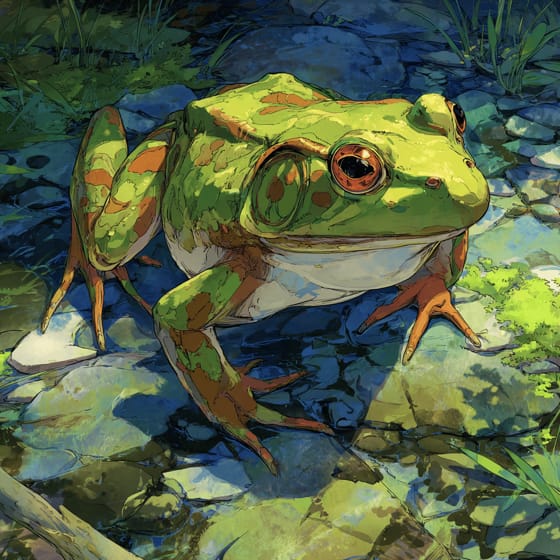
Rana catesbeiana
Frogs often feast on adult damselflies.
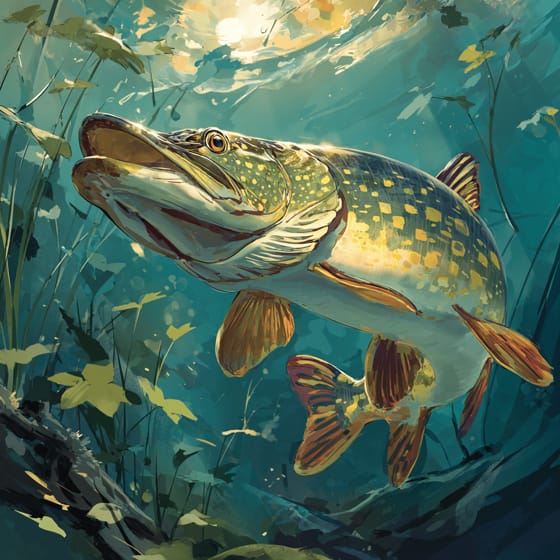
Esox lucius
Large fish consume aquatic nymphs.
Solitary animals live alone for most of their lives, only interacting with others for mating or parental care.
Aerial creatures spend a significant portion of their lives airborne, utilizing flight for various activities such as hunting, migration, or nesting.
Colorful describes organisms or objects displaying a wide range of bright and distinct colors.
This trait identifies organisms whose diet primarily consists of insects and other small invertebrates.

This habitat trait identifies species found in wetlands, which are areas of land saturated with water, either permanently or seasonally, including marshes, swamps, and bogs.

Diurnal animals are primarily active during daylight hours, typically resting or sleeping at night.

Freshwater habitats include non-saline aquatic environments such as rivers, lakes, ponds, and wetlands, vital for numerous species.

This trait identifies organisms that exhibit exceptional swiftness in movement for hunting, escape, or travel.

Describes organisms that transfer pollen, enabling the fertilization and reproduction of plants.
No aliases listed yet.
Danger
1/5 · Very low
Be gentle and quiet around dragonflies so they don't get scared.
The easiest way to identify Emerald Spreadwing is to use the Snappit nature identifier app.
40-55 mm
35-45 mm
15-60 days
Hungry hunters, Emerald Spreadwings mostly eat small insects, both as adults and as aquatic nymphs!
Wetlands
Pursuit
6
Zoom in to split clusters and explore where this object has been snapped.
Take the discovery with you
Snap it with Snappit to identify it, learn what makes it special, and add the discovery to your collection.









.jpg&width=800)



