





Dusky Grouse
Dendragapus obscurus
The Dusky Grouse is a special bird that loves to live in the mountains. With its fluffy feathers and unique calls, it can be a fun surprise to spot while hiking in the woods!
Habitat: Mountain regions
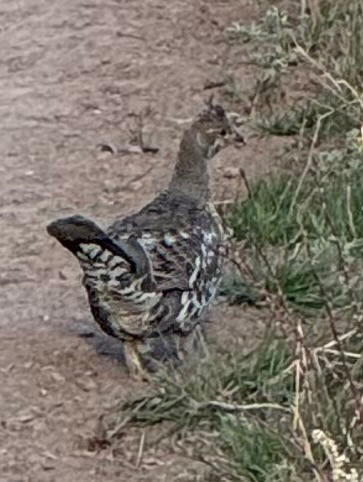
The Dusky Grouse is a robust, dark-feathered bird often found on forest floors. Males are mostly dark gray, featuring a striking yellow-orange air sac and a yellow comb above the eye during display, bordered by white feathers. Females are a mottled brown and gray, providing excellent camouflage.
Category
BirdsRarity
Common
Danger
1/5 · Very low
Snaps
12
Chicks can leave the nest and find their own food just a few hours after hatching!
Did you know male Dusky Grouse puff up their chest sacs to look like big, colorful balloons?
In winter, they often bury themselves in soft snow to stay warm and hide from hungry predators!
They swallow tiny stones called grit, which helps them grind up tough plant foods like needles!
Dusky Grouse can survive harsh winters by eating tough conifer needles, thanks to their strong gizzards.
Males have inflatable neck sacs that let them make deep, resonant booming sounds to attract females.
The Dusky Grouse has mottled brown and gray feathers that help them blend perfectly into the forest floor, hiding from predators.
Dusky Grouse mostly munch on plants like leaves, berries, and conifer needles, especially in winter!
Age differences: Young chicks eat more insects for protein; adults are primarily herbivorous.
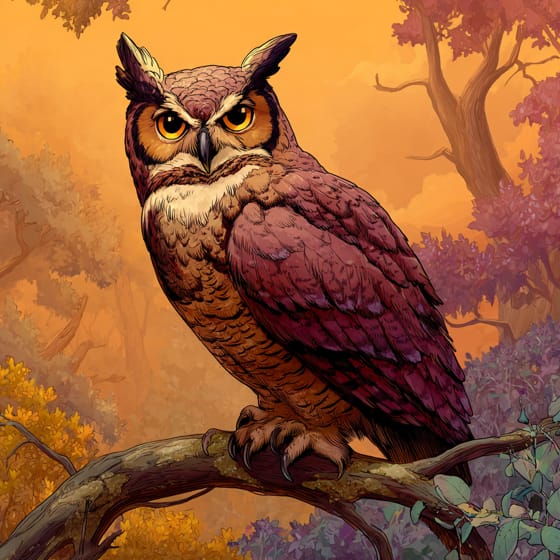
Bubo virginianus
Owls hunt grouse in forests at dawn and dusk.
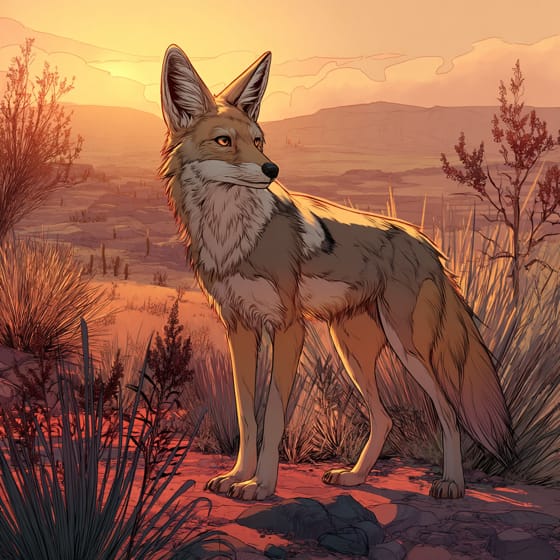
Canis latrans
Coyotes stalk grouse on the forest floor looking for a meal.
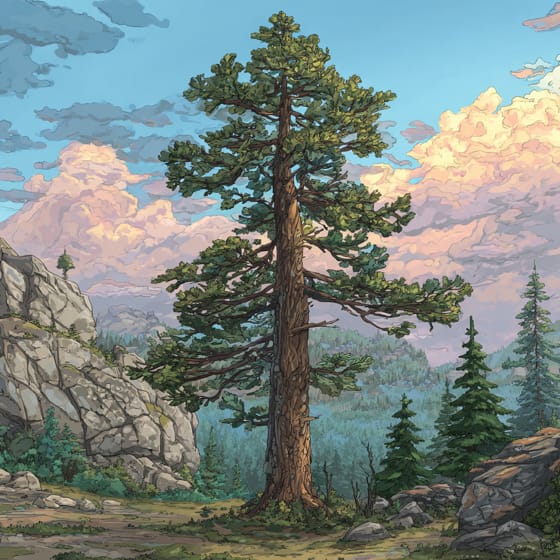
Pinus contorta
Grouse eat its tough needles, especially during winter.
Vaccinium membranaceum
They forage for sweet berries in late summer and fall.
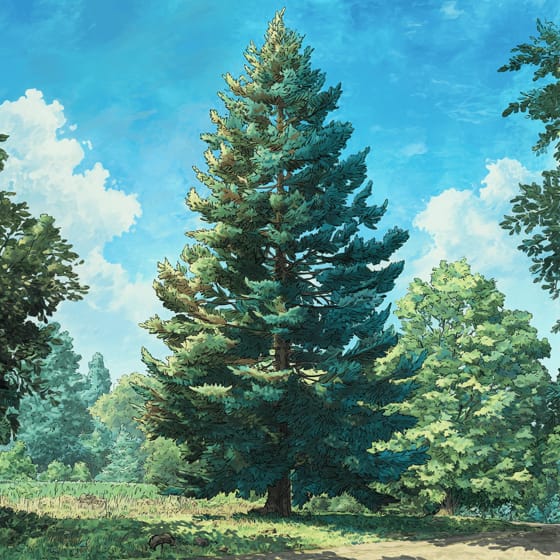
Pseudotsuga menziesii
Tall firs provide roosting sites and protection from predators.
Feathered describes animals, primarily birds, possessing a covering of feathers.
Solitary animals live alone for most of their lives, only interacting with others for mating or parental care.
Singing animals produce complex vocalizations, often for purposes of attracting mates, defending territory, or communicating within their species.
Camouflaged describes organisms that possess coloring or patterns that allow them to blend into their environment.

This trait characterizes organisms whose diet consists entirely or primarily of plant material.

This habitat trait identifies species found in mountainous regions, characterized by high elevation, steep slopes, and varying climate zones.

Diurnal animals are primarily active during daylight hours, typically resting or sleeping at night.
No aliases listed yet.
Danger
1/5 · Very low
If you see a Dusky Grouse, watch quietly from a distance so you don't scare it away.
The easiest way to identify Dusky Grouse is to use the Snappit nature identifier app.
45-58 cm
65-71 cm
0.9-1.4 kg
3-8 years
60 km/h
Dusky Grouse mostly munch on plants like leaves, berries, and conifer needles, especially in winter!
Mountain regions
Zoom in to split clusters and explore where this object has been snapped.
Apr 22, 2026
Telluride Historic DistrictPhoto attribution
(c) Mark, some rights reserved (CC BY)
License: CC BY 4.0 ↗
Image may be shown cropped inside the card frame.

Montana, US
You might spot Bighorn Sheep and Mountain Goat.
View guide →

Wyoming, US
You might spot Elk, Killdeer, and Black-Billed Magpie.
View guide →

Montana, US
You might spot Black Bear, Brown Bear, and Moose.
View guide →

Colorado, US
You might spot Black-Billed Magpie and Twinberry Honeysuckle.
View guide →

Montana, US
You might spot Field Crescent, Thimbleberry, and Baker's Mariposa Lily.
View guide →

Wyoming, US
You might spot Moose, Snowbrush Ceanothus, and Black Bear.
View guide →
Take the discovery with you
Snap it with Snappit to identify it, learn what makes it special, and add the discovery to your collection.




.jpg&width=800)








