





Engelmann'S Spikerush
eleocharis engelmannii
Engelmann's Spikerush is a tall, grass-like plant that grows in wet areas. It has long, slender stems and tiny flowers that attract insects!
Habitat: Wetlands, marshes, and along the edges of lakes and rivers.
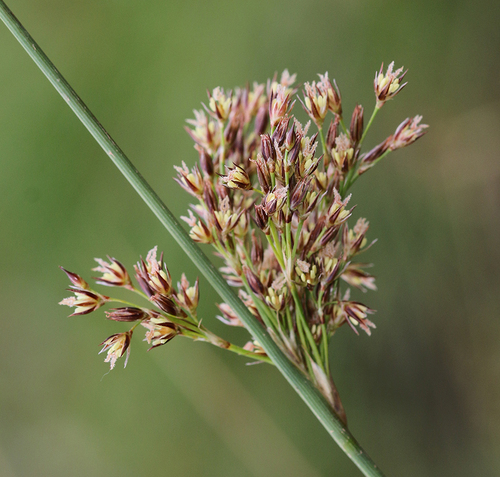
The Engelmann'S Spikerush is a slender, grass-like plant with bright green, unbranched stems growing in dense clumps. Its tiny, pointed flower spikes, usually brown or reddish-brown, appear at the very tip of each stem, blending subtly with its grassy appearance.
Category
PlantsRarity
Common
Danger
0/5 · No known danger
Snaps
Be the first to snap!
Even though it's called a 'rush,' it's actually part of the sedge family!
Its stems are round and hollow, like miniature green straws!
Many tiny wetland creatures hide among its dense, grassy stems for shelter.
This plant helps clean water by absorbing extra nutrients from its wetland home.
Engelmann'S Spikerush can thrive in waterlogged soils and shallow water, allowing it to grow where many other plants cannot.
This spikerush has underground stems called rhizomes that help it anchor firmly in mucky soil and spread, creating new plants.
Engelmann'S Spikerush produces numerous tiny seeds that can float and disperse widely, helping new plants sprout in distant wet areas.
Anas platyrhynchos
foraging on its abundant seeds in wetlands.
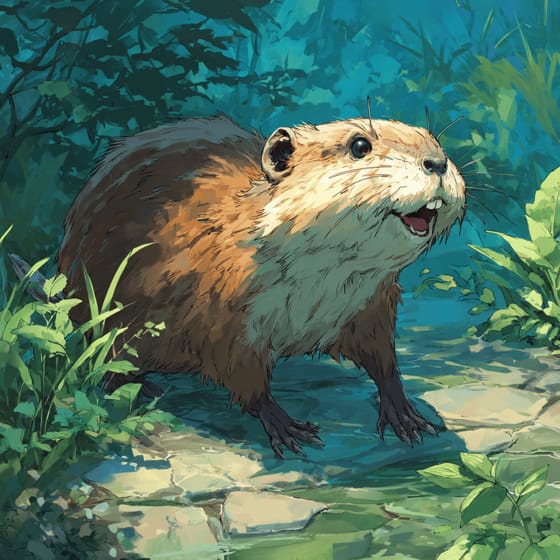
Ondatra zibethicus
may consume rhizomes and basal stems.
Gambusia affinis
hiding from predators among its dense stems.
Social animals live in organized groups, cooperating for survival benefits such as foraging, defense, and raising offspring.
This trait characterizes organisms whose diet consists entirely or primarily of plant material.
Coastal habitats are dynamic environments located along the interface between land and sea, influenced by tides, waves, and saltwater.
Aquatic habitats encompass environments where organisms live predominantly in water, including oceans, rivers, lakes, and wetlands.

Describes organisms that transfer pollen, enabling the fertilization and reproduction of plants.
Danger
0/5 · No known danger
No special safety notes yet.
The easiest way to identify Engelmann'S Spikerush is to use the Snappit nature identifier app.
10-50 cm
5-15 cm
0.1-0.3 cm
Summer
No
None
Perennial
Zoom in to split clusters and explore where this object has been snapped.
Recent snaps will appear here as new observations are added.
Take the discovery with you
Snap it with Snappit to identify it, learn what makes it special, and add the discovery to your collection.









.jpg&width=800)



_001.jpg&width=800)




