.jpg&width=800)





Equus ferus przewalskii
Equus ferus przewalskii
The Przewalski's horse is a wild horse that comes from Mongolia. It has a thick mane and a stocky body, making it very special and unique among horses.
Habitat: Grasslands
The Equus ferus przewalskii has a stocky body with a sandy to reddish-brown coat, a lighter muzzle, and a dark dorsal stripe running down its back. Its short, upright mane and dark lower legs are distinctive, setting it apart from domesticated horses.
Category
MammalsRarity
Rare
Danger
2/5 · Low
Snaps
Be the first to snap!
A group of these incredible wild horses is called a "band" or "harem"!
Baby Przewalski's horses, called foals, can stand and run within hours of birth!
Przewalski's horses were once extinct in the wild, but now they roam free again!
Their short, stiff mane always stands upright and never needs trimming!
Equus ferus przewalskii can digest tough, dry vegetation because of its specialized digestive system that helps them survive in harsh grasslands.
Equus ferus przewalskii has a sandy-brown coat that helps them blend into rocky and arid steppe environments, making them harder to spot.
Equus ferus przewalskii can locate scarce water sources even in dry seasons because of their keen sense of smell and territory knowledge.
These horses are grazers, mostly eating tough grasses and other plants found in their steppe homes.
Canis lupus
Main predator, often targeting young or weak horses.
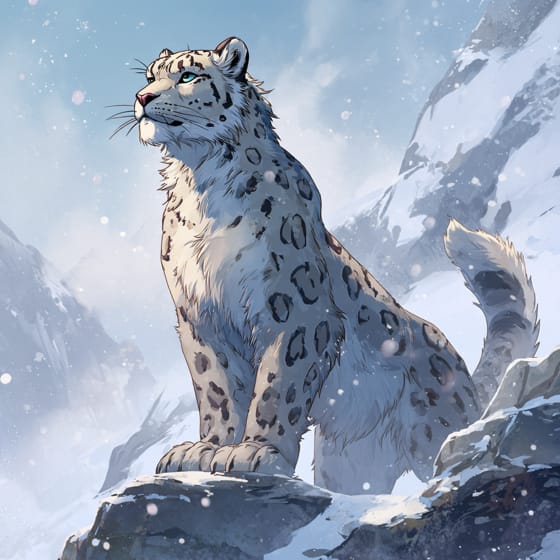
Panthera uncia
Opportunistic predator, especially of foals.

Stipa capillata
Primary food source in its steppe habitat.
Artemisia absinthium
A common herb grazed by these horses.
Furry describes animals possessing a dense covering of soft hair or fur.
Social animals live in organized groups, cooperating for survival benefits such as foraging, defense, and raising offspring.
Grassland habitats are terrestrial biomes dominated by grasses and herbaceous plants, supporting a variety of grazing animals.
This trait characterizes organisms whose diet consists entirely or primarily of plant material.

This trait identifies organisms that exhibit exceptional swiftness in movement for hunting, escape, or travel.

Threatened status denotes a species likely to become endangered in the foreseeable future without effective conservation interventions.

Endangered status indicates a species is at a very high risk of extinction in the wild in the near future.
Danger
2/5 · Low
Always watch from a distance and never try to touch wild animals.
The easiest way to identify Equus ferus przewalskii is to use the Snappit nature identifier app.
210-280 cm
200-370 kg
20-30 years
60 km/h
These horses are grazers, mostly eating tough grasses and other plants found in their steppe homes.
Grasslands
Grazing
Zoom in to split clusters and explore where this object has been snapped.
Recent snaps will appear here as new observations are added.
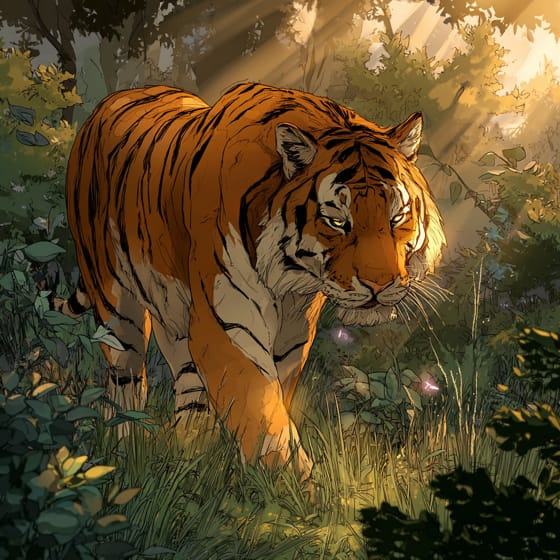
Minnesota, US
You might spot Tiger, African Penguin, and Grizzly Bear.
View guide →
North Dakota, US
You might spot Tiger, Grizzly Bear, and African Penguin.
View guide →

North Dakota, US
You might spot Red Panda, Pallas's Cat, and Sichuan Takin.
View guide →

Masovian Voivodeship, PL
You might spot African Elephant, Sand Tiger Shark, and Gorilla.
View guide →
Virginia, US
You might spot Equus Ferus Przewalskii, Black-Footed Ferret, and Cheetahs.
View guide →

Zurich, CH
You might spot Red Deer, Wolves and Dogs, and European Bison.
View guide →
Take the discovery with you
Snap it with Snappit to identify it, learn what makes it special, and add the discovery to your collection.




.jpg&width=800)




.JPG&width=800)

.jpg&width=800)
