





Eurasian Coot
Fulica atra
The Eurasian Coot is a black bird with a white beak and a funny little bump on its forehead. It loves to swim in lakes and ponds, where it dives for food and plays with its friends.
Habitat: Wetlands
The Eurasian Coot is a medium-sized waterbird, distinct with its dull black plumage, a bright white frontal shield, and a white bill. It has striking red eyes and large, dark grey lobed toes, making it easily identifiable from ducks or other similar waterfowl.
Category
BirdsRarity
Common
Danger
1/5 · Very low
Snaps
Be the first to snap!
A group of coots gathered together is often called a 'cootie' or a 'cover.'
Baby coots are born with bright orange-red fluff on their heads!
Coots sometimes lay eggs in the nests of other coots, a sneaky trick!
They often chase other water birds, trying to steal their food!
Eurasian Coot has unique lobed feet that help them paddle efficiently and walk on soft lake bottoms.
Eurasian Coot can dive expertly underwater to forage for aquatic plants and small invertebrates.
Eurasian Coot has aggressive displays to protect its nesting territory from rivals and predators.
Eurasian Coot can run across the water's surface for short distances when taking flight or escaping danger.
Eurasian Coots are omnivores that eat a mix of aquatic plants and small water creatures.
Age differences: Young coots eat more insects, while adults consume more plant material.
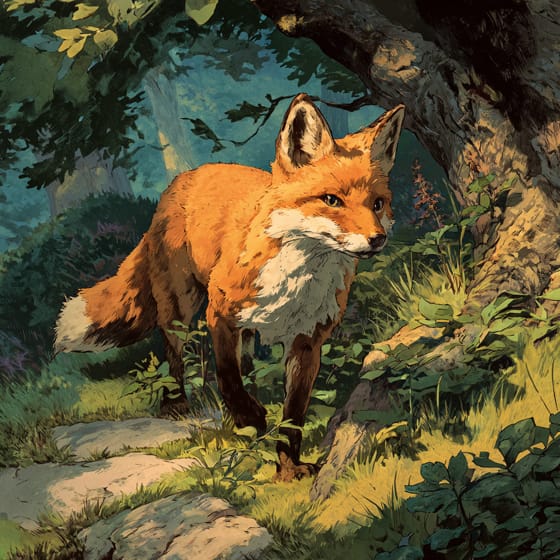
Vulpes vulpes
Preys on coot adults and chicks near water bodies.
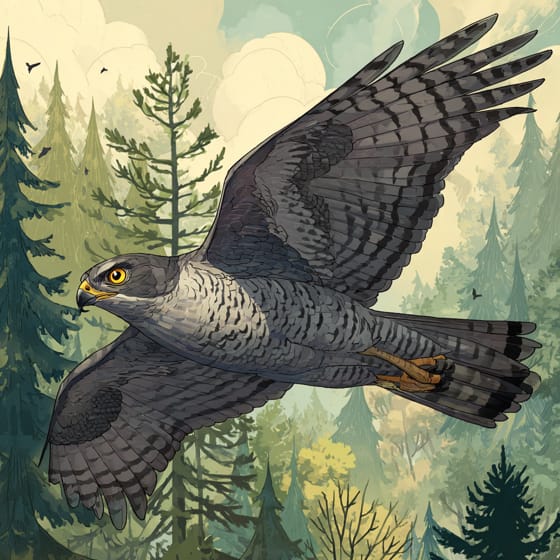
Accipiter gentilis
Can prey on adult coots from the air.
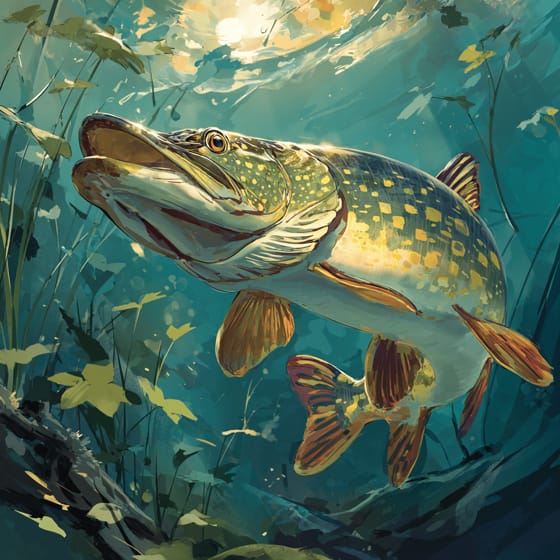
Esox lucius
Large pike may snatch coot chicks from the water.

Phragmites australis
Coots build their floating nests among these tall reeds.
Potamogeton natans
A significant part of the coot's aquatic plant diet.
Feathered describes animals, primarily birds, possessing a covering of feathers.
Characterized by having toes connected by a membrane, typically aiding in swimming.
Social animals live in organized groups, cooperating for survival benefits such as foraging, defense, and raising offspring.
This trait identifies organisms whose diet includes both plant and animal matter.

Filter feeders obtain nutrients by straining suspended food particles and small organisms from water.

This habitat trait identifies species found in wetlands, which are areas of land saturated with water, either permanently or seasonally, including marshes, swamps, and bogs.

Diurnal animals are primarily active during daylight hours, typically resting or sleeping at night.

Freshwater habitats include non-saline aquatic environments such as rivers, lakes, ponds, and wetlands, vital for numerous species.

Aquatic habitats encompass environments where organisms live predominantly in water, including oceans, rivers, lakes, and wetlands.

Migratory animals undertake seasonal movements from one region to another, typically in response to changes in climate or food availability.
No aliases listed yet.
Danger
1/5 · Very low
Always watch birds from a distance and don't try to touch them.
The easiest way to identify Eurasian Coot is to use the Snappit nature identifier app.
32-42 cm
70-80 cm
0.58-1.2 kg
6-10 years
50 km/h
Eurasian Coots are omnivores that eat a mix of aquatic plants and small water creatures.
Wetlands
Zoom in to split clusters and explore where this object has been snapped.
Recent snaps will appear here as new observations are added.
Take the discovery with you
Snap it with Snappit to identify it, learn what makes it special, and add the discovery to your collection.




.jpg&width=800)








