.jpg&width=800)





Semipalmated Plover
Charadrius semipalmatus
The Semipalmated Plover is a small, cute bird that loves to run along sandy beaches. With its short legs and round body, it looks for tiny bugs and little crabs to eat.
Habitat: Coastal areas
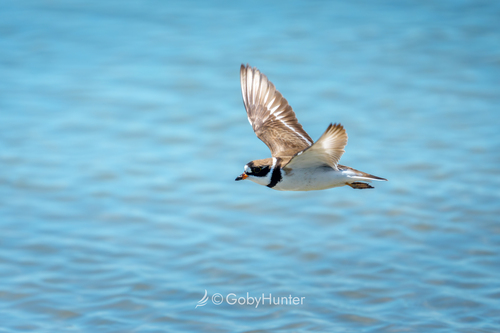
The Semipalmated Plover is a small shorebird with a short bill and distinctive large dark eyes. It has a white belly and throat, a brown back, and a prominent black band across its white breast, contrasting with its bright orange legs.
Category
BirdsRarity
Common
Danger
1/5 · Very low
Snaps
18
Plover chicks leave the nest and find their own food just hours after hatching!
Semipalmated Plovers often raise their young in cold, open tundra, facing harsh weather!
They use a special 'stop-and-go' dance to trick hidden prey into moving!
This bird can fly thousands of miles from the Arctic all the way to South America!
Semipalmated Plovers can quickly stop and scan for prey because of their unique stop-and-run foraging method.
Semipalmated Plovers have partially webbed feet that help them run swiftly over wet sand and mud without sinking.
Semipalmated Plovers can spot tiny insects and worms because of their large eyes that provide excellent vision for hunting.
They eat tiny invertebrates, like insects and worms, they find hidden in the sand and mud.
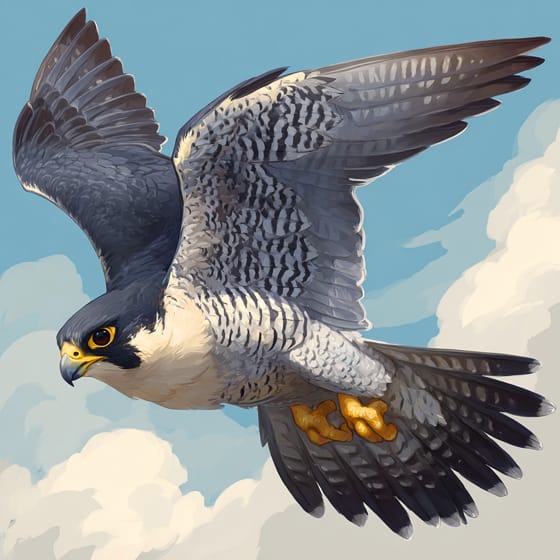
Falco peregrinus
Predator during migration and on breeding grounds.
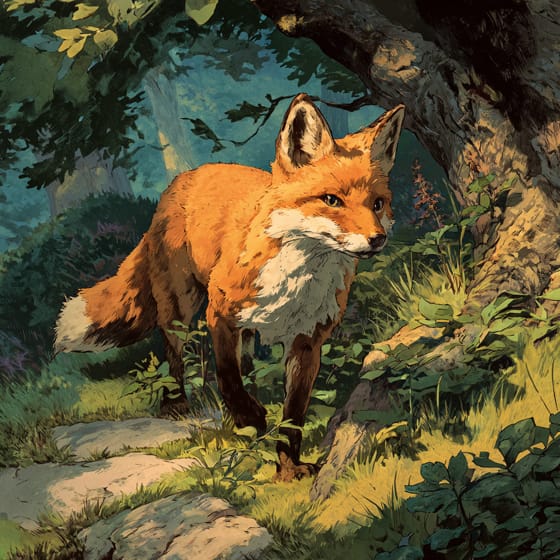
Vulpes vulpes
Preys on eggs, chicks, and adult birds on the tundra.
Arenicola marina
Digs for these marine worms in sandy substrates.
Callianassa californiensis
Forages for these tiny crustaceans in mudflats.
Feathered describes animals, primarily birds, possessing a covering of feathers.
Characterized by having toes connected by a membrane, typically aiding in swimming.
This trait identifies organisms whose diet primarily consists of insects and other small invertebrates.
Coastal habitats are dynamic environments located along the interface between land and sea, influenced by tides, waves, and saltwater.

This trait identifies organisms whose diet consists entirely or primarily of animal tissue.

Diurnal animals are primarily active during daylight hours, typically resting or sleeping at night.

Migratory animals undertake seasonal movements from one region to another, typically in response to changes in climate or food availability.
No aliases listed yet.
Danger
1/5 · Very low
Always watch birds from a distance and do not disturb their nests.
The easiest way to identify Semipalmated Plover is to use the Snappit nature identifier app.
14-20 cm
35-45 cm
0.03-0.07 kg
5-10 years
60 km/h
They eat tiny invertebrates, like insects and worms, they find hidden in the sand and mud.
Coastal areas
Zoom in to split clusters and explore where this object has been snapped.
Jun 2, 2026
Stone Harbor Bird SanctuaryPhoto attribution
(c) GobyHunter, some rights reserved (CC BY)
License: CC BY 4.0 ↗
Image may be shown cropped inside the card frame.

California, US
You might spot American Avocet, Great Egret, and Snowy Egret.
View guide →

Tennessee, US
You might spot Pond Slider, White-Tailed Deer, and Great Blue Heron.
View guide →

Michigan, US
You might spot Bald Eagle, American White Pelican, and Painted Turtle.
View guide →

New York, US
You might spot Pitch Pine, Great Egret, and Monarch.
View guide →

US
You might spot Rugosa Rose and European Green Crab.
View guide →

US
You might spot Osprey, Laughing Gull, and Willet.
View guide →
Take the discovery with you
Snap it with Snappit to identify it, learn what makes it special, and add the discovery to your collection.




.jpg&width=800)







