.jpg&width=800)





Vermilion Flycatcher
Pyrocephalus rubinus
The Vermilion Flycatcher is a bright red bird that loves to catch insects in mid-air. It has a cheerful song and can often be seen perched on low branches, looking for tasty treats.
Habitat: Open areas with trees
The Vermilion Flycatcher is a small bird, famous for the male's incredibly vibrant, fiery red body and crest, sharply contrasted by a dark mask and wings. Females are much plainer, with a dusky brown back and streaks on their white or pale yellow belly.
Category
BirdsRarity
Common
Danger
1/5 · Very low
Snaps
8
Baby Vermilion Flycatchers look nothing like their dad, with streaky feathers.
Males often perform a special "flutter-flight" display to impress potential mates.
Their scientific name, "Pyrocephalus rubinus," means "fire-headed ruby"!
These tiny birds are known to fearlessly chase much larger birds from their nest.
The male's brilliant red plumage attracts mates and warns rivals, helping them establish territory and find a partner.
They have a clear, cheerful song and often perch on exposed branches, acting as a watchful guardian over their territory.
These tiny birds are expert bug hunters, snatching flying insects right out of the air!
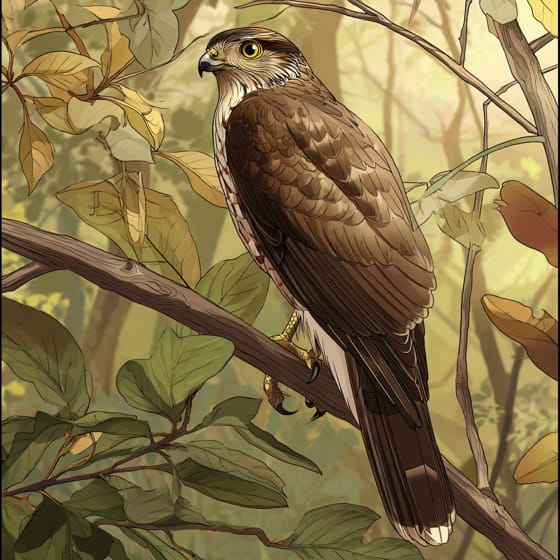
Accipiter cooperii
Adults and fledglings are prey for larger birds of prey.
.jpg&width=800)
Molothrus ater
Cowbirds sometimes lay their eggs in flycatcher nests.
Apis mellifera
Vermilion Flycatchers prey on flying insects like bees.
Salix gooddingii
Often nests in riparian trees like willows for shelter.
Feathered describes animals, primarily birds, possessing a covering of feathers.
Social animals live in organized groups, cooperating for survival benefits such as foraging, defense, and raising offspring.
Aerial creatures spend a significant portion of their lives airborne, utilizing flight for various activities such as hunting, migration, or nesting.
Singing animals produce complex vocalizations, often for purposes of attracting mates, defending territory, or communicating within their species.

Colorful describes organisms or objects displaying a wide range of bright and distinct colors.

Grassland habitats are terrestrial biomes dominated by grasses and herbaceous plants, supporting a variety of grazing animals.

This trait identifies organisms whose diet primarily consists of insects and other small invertebrates.

Diurnal animals are primarily active during daylight hours, typically resting or sleeping at night.

This habitat trait indicates species that can coexist with humans in urban and suburban environments, utilizing man-made structures and green spaces.
No aliases listed yet.
Danger
1/5 · Very low
Enjoy watching birds from a distance and don't try to touch them.
The easiest way to identify Vermilion Flycatcher is to use the Snappit nature identifier app.
13-14 cm
24-27 cm
0.01-0.014 kg
3-8 years
40 km/h
These tiny birds are expert bug hunters, snatching flying insects right out of the air!
Open areas with trees
Zoom in to split clusters and explore where this object has been snapped.

Arizona, US
You might spot Northern Cardinal, Engelmann's Hedgehog Cactus, and Queen.
View guide →

Texas, US
You might spot Texas Rainbow Cactus, Ocotillo, and Greater Earless Lizard.
View guide →

Arizona, US
You might spot Great-Tailed Grackle, Stinknet, and Northern Mockingbird.
View guide →

New Mexico, US
You might spot Vermilion Flycatcher, Turkey, and American Rubyspot.
View guide →

New Mexico, US
You might spot Soaptree Yucca and White-Winged Dove.
View guide →
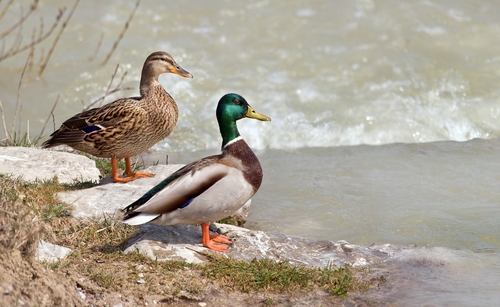
Nevada, US
You might spot Duck, Redhead, and Great-Tailed Grackle.
View guide →
Take the discovery with you
Snap it with Snappit to identify it, learn what makes it special, and add the discovery to your collection.




.jpg&width=800)








