





European dewberry
Rubus caesius
The European dewberry is a sweet, juicy berry that grows on thorny bushes. It's a tasty treat for animals and people alike, and it often grows in sunny fields and hedgerows.
Habitat: Grasslands
The European dewberry is a low-growing, trailing plant with slender, often arching stems covered in small prickles. It produces small, white flowers with slightly crumpled petals and distinctive dark purple-black fruits often covered in a pale, waxy 'dew' or bloom, setting it apart from true blackberries.
Category
PlantsRarity
Common
Danger
1/5 · Very low
Snaps
1
Ancient cultures sometimes used dewberry leaves and roots in traditional herbal remedies!
Dewberry fruits are packed with vitamins and antioxidants, making them a super snack for wildlife!
The 'dew' in dewberry refers to the frosty, blue-grey coating on its ripe, delicious fruits!
Unlike upright blackberries, dewberries are ground-huggers, with vines that creep along the soil!
European dewberry has long, trailing stems that sprawl across the ground, helping it spread widely and cover large areas.
Its fruits are coated in a waxy, bluish bloom that protects them from drying out and gives the berry its unique 'dewy' appearance.
The plant's stems are equipped with small, sharp prickles that act as a defense mechanism against hungry herbivores.
Apis mellifera
collects nectar and pollen from flowers
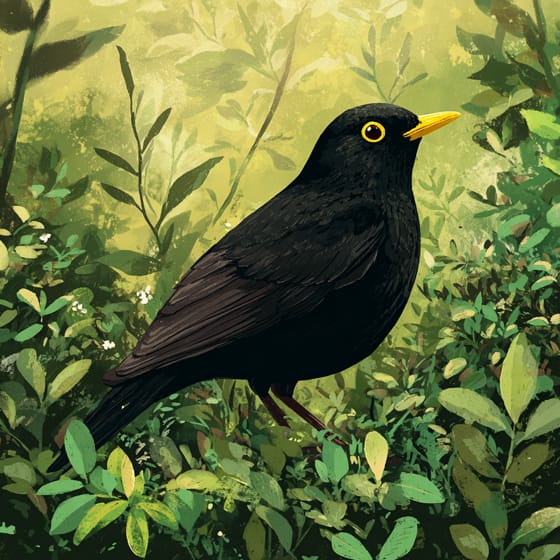
Turdus merula
enjoys the ripe, sweet berries
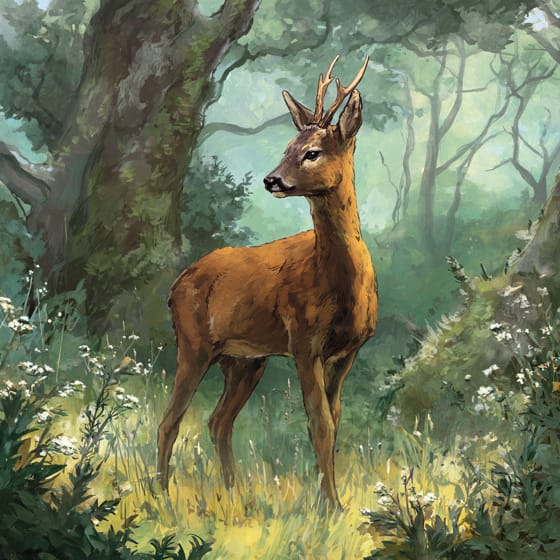
Capreolus capreolus
browses on its leaves and young shoots
Formica rufa
finds cover under its dense foliage
Deciduous plants periodically shed all their leaves, typically during autumn or dry seasons.
Flowering plants are any plants that produce flowers as part of their reproductive cycle.
A shrub is a woody plant smaller than a tree, typically with multiple stems branching from or near the ground.
Fruit-bearing plants produce fruits, which are the mature ovaries of flowering plants containing seeds.

Pertaining to plants that have stems covered with sharp, pointed projections for defense.

Edible plants are those parts of a plant that are considered safe for human consumption.

Grassland habitats are terrestrial biomes dominated by grasses and herbaceous plants, supporting a variety of grazing animals.
No aliases listed yet.
Danger
1/5 · Very low
Always wash dewberries before eating them to keep your tummy safe.
The easiest way to identify European dewberry is to use the Snappit nature identifier app.
10-50 cm
100-300 cm
1.5-2.5 cm
Late spring to early summer
Yes
None
Perennial
Zoom in to split clusters and explore where this object has been snapped.
Take the discovery with you
Snap it with Snappit to identify it, learn what makes it special, and add the discovery to your collection.







.jpg&width=800)



_001.jpg&width=800)



