_Viola_arvensis_-_White_flower.jpg&width=800)





European field pansy
Viola arvensis
The European field pansy is a small, colorful flower that loves to grow in fields and gardens. Its pretty petals can be purple, yellow, or white, making it a cheerful sight in nature.
Habitat: Grasslands
The European field pansy has small, delicate flowers, usually a mix of creamy white and pale yellow, often with a hint of violet. Its petals are smaller and less vibrant than cultivated pansies, frequently marked with thin dark lines on the lower petals.
Category
PlantsRarity
Common
Danger
1/5 · Very low
Snaps
1
Did you know its seeds can stay buried for over a decade, just waiting for the right moment to grow?
Farmers sometimes call it "wild pansy," as it loves to grow in cultivated fields as a weed!
Some tiny bees use its small lower petals as a perfect "landing strip" when visiting for nectar!
The name "pansy" comes from a French word meaning "thought," perhaps because the flower head looks like a pondering face!
European field pansy has seeds that can remain dormant in the soil for years, helping it survive harsh conditions.
This pansy can thrive in disturbed soil, quickly colonizing new areas like freshly tilled fields or waste ground.
It readily self-seeds, producing many tiny seeds that ensure its quick spread and consistent presence.
Apis mellifera
collects nectar and pollen
Bombus terrestris
visits flowers for nectar
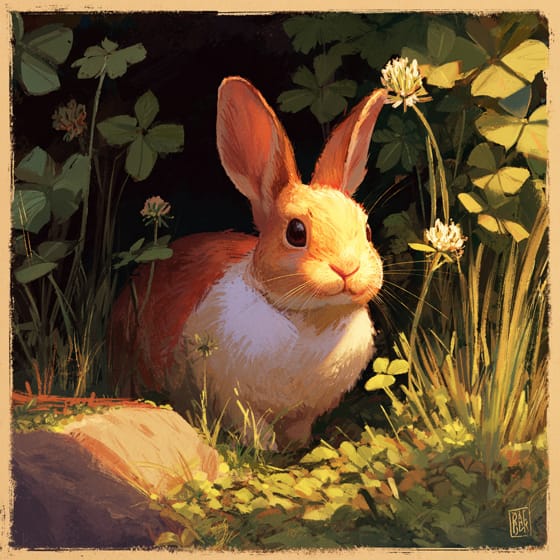
Oryctolagus cuniculus
grazes on leaves and shoots
Flowering plants are any plants that produce flowers as part of their reproductive cycle.
Ornamental plants are cultivated primarily for their aesthetic appeal, enhancing landscapes and gardens with their attractive foliage, flowers, or form.
Biennial plants complete their life cycle over two growing seasons, typically forming foliage in the first year and flowering/seeding in the second.
Colorful describes organisms or objects displaying a wide range of bright and distinct colors.

Grassland habitats are terrestrial biomes dominated by grasses and herbaceous plants, supporting a variety of grazing animals.

Describes plants that are particularly attractive and beneficial to a wide range of pollinating organisms.
No aliases listed yet.
Danger
1/5 · Very low
Always look but don't pick flowers unless you have permission!
The easiest way to identify European field pansy is to use the Snappit nature identifier app.
5-30 cm
5-15 cm
0.5-1.5 cm
Spring to fall
Yes
None
Annual
Zoom in to split clusters and explore where this object has been snapped.
Take the discovery with you
Snap it with Snappit to identify it, learn what makes it special, and add the discovery to your collection.









.jpg&width=800)



_001.jpg&width=800)




