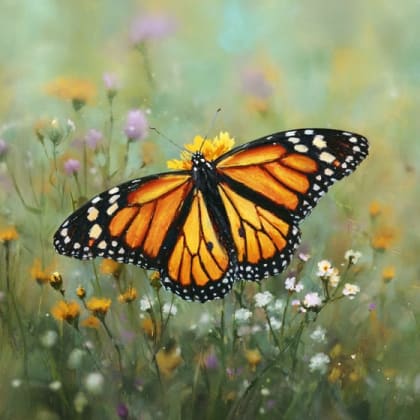





Monarch Butterfly

Step back in time at the Lebanon Green Historic District, the "Heartbeat of the Revolution.
Step back in time at the Lebanon Green Historic District, the "Heartbeat of the Revolution." This remarkably preserved 18th-century town common, stretching for a mile, offers a unique glimpse into America's foundational years. As one of the largest and most historically significant town greens in the United States, it retains a pastoral charm, with portions still used for agriculture, surrounded by architectural treasures.
The district boasts a collection of over 30 historic buildings, each telling a story of colonial life and revolutionary fervor. Key highlights include the iconic 1730 War Office, where George Washington and French officers strategized, the dignified Governor Jonathan Trumbull House, and the First Congregational Church, an architectural work by the "Painter of the Revolution," John Trumbull. Explore the Jonathan Trumbull Jr. House Museum and the William Williams House, home of a Declaration of Independence signer, to connect with the lives of the prominent figures who shaped early America.
Visiting Lebanon Green Historic District is an immersive experience, allowing you to walk the same paths as patriots and witness the enduring spirit of a New England town that played a pivotal role in the nation's birth. The blend of rich history, preserved architecture, and scenic open spaces makes it a memorable destination for anyone seeking to understand the past and appreciate timeless charm. Planning to visit? Download the Snappit app to identify the wildlife you spot in real-time.
The town of Lebanon was incorporated in 1700, with the area around the Green settled shortly after by Joseph Trumble in 1704. His general store, built in 1730, famously transformed into the War Office during the American Revolution, serving as a critical hub for military council meetings and strategy sessions involving figures like George Washington and Governor Jonathan Trumbull. Governor Trumbull stands out as the only colonial governor who actively supported the independence movement throughout the War of Independence. The entire district was recognized for its profound historical significance and was listed on the National Register of Historic Places in 1978 or 1979.
Walk the stone-dust paths that line the Green, explore the numerous 18th and 19th-century buildings, and visit the museums for in-depth historical insights. Don't miss the picturesque New England architecture.
Summer: Enjoy the Summer Dancefest in July and the Farmers' Market from June to October.
Fall: The Annual Antique Show takes place on the last Saturday in September. The changing foliage also makes for a beautiful backdrop.
Winter: A portion of the Green is flooded for ice skating, and the annual Tree Lighting ceremony occurs in November.
The 2-mile loop walk around the Lebanon Green is handicapped accessible. The Lebanon Historical Society Museum & Visitor Center is fully accessible and ADA compliant, with restrooms available.
A small red building where Revolutionary War strategies were planned.
The home of Connecticut's Revolutionary War governor.
Located on the Trumbull House grounds, this stable reportedly housed George Washington's horses.
Designed by John Trumbull, the "Painter of the Revolution," and a rare example of his architectural work.
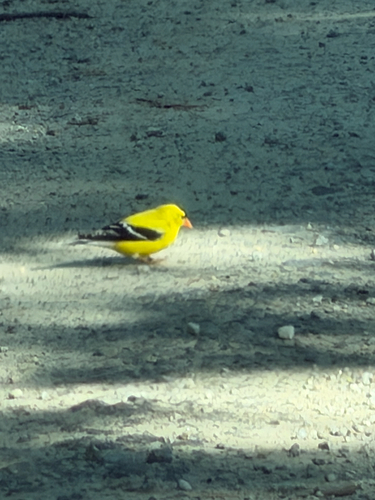
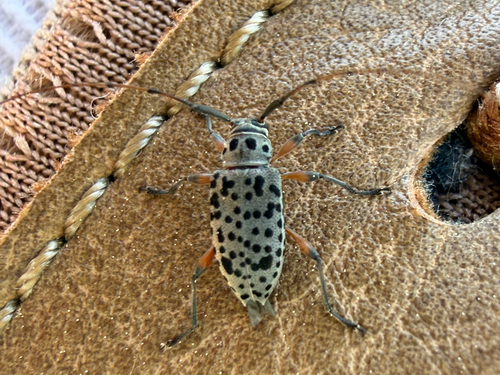
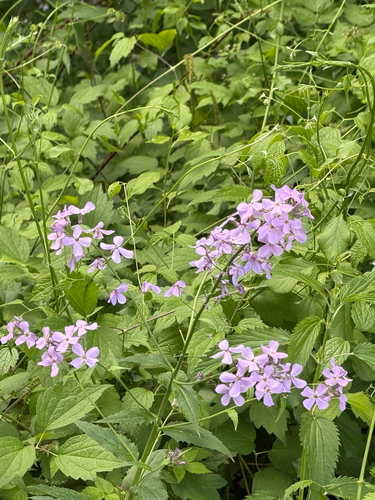
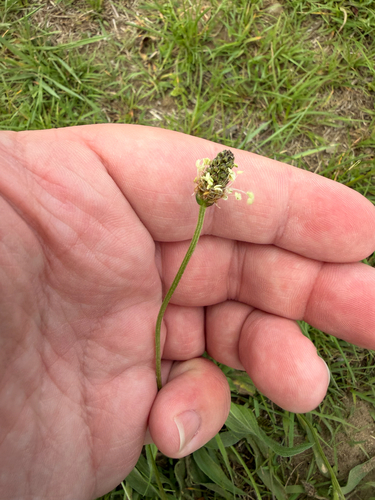
Each card links to a full Explore page with photos, traits, and fun facts.
Start with the big picture, then zoom in to explore individual wildlife observations around this place.
Begin your visit at the Lebanon Historical Society Museum & Visitor Center to gather maps, information, and watch a video about the district's history.
Wear comfortable walking shoes to enjoy the 2-mile historic loop around the Green and explore the various sites.
Parking is available at the Jonathan Trumbull Library, the Alden Tavern Parking Lot, and the Jonathan Trumbull House.
Check the Lebanon Historical Society website for upcoming events like the Farmers' Market, Antique Show, or seasonal celebrations.
Bring a camera to capture the charming New England architecture and the expansive, historic Green.
Jun 3, 2026
Photo attribution
(c) Sawyer Baran, some rights reserved (CC BY)
License: CC BY 4.0 ↗
Image may be shown cropped inside the card frame.
Jun 3, 2026
Photo attribution
(c) Sawyer Baran, some rights reserved (CC BY)
License: CC BY 4.0 ↗
Image may be shown cropped inside the card frame.
May 28, 2026
Photo attribution
(c) Sawyer Baran, some rights reserved (CC BY)
License: CC BY 4.0 ↗
Image may be shown cropped inside the card frame.
May 28, 2026
Photo attribution
(c) Sawyer Baran, some rights reserved (CC BY)
License: CC BY 4.0 ↗
Image may be shown cropped inside the card frame.
May 28, 2026
Photo attribution
(c) Sawyer Baran, some rights reserved (CC BY)
License: CC BY 4.0 ↗
Image may be shown cropped inside the card frame.

Maryland, US
You might spot White-Tailed Deer and Eastern Gray Squirrel.
View guide →
.jpg)
District of Columbia, US
You might spot Eastern Gray Squirrel, Duck, and House Sparrow.
View guide →

Illinois, US
You might spot American Robin, Canada Goose, and House Sparrow.
View guide →

Virginia, US
You might spot Spotted Lanternfly and Northern Cardinal.
View guide →
Take the discovery with you
Identify the wildlife you spot, learn as you go, and keep a collection of the adventure.