





European Glass Lizard
Pseudopus apodus
The European Glass Lizard is a unique lizard that looks like a snake! It has a long, smooth body and can be found basking in the sun. Unlike most lizards, it has no legs, making it special and fun to see.
Habitat: Grasslands
The European Glass Lizard is a legless lizard, often mistaken for a snake, with a sturdy, elongated body. It has a distinctive groove along its sides and a coloration ranging from olive-brown to grey, sometimes with darker markings. Unlike snakes, it possesses eyelids and external ear openings.
Category
ReptilesRarity
Common
Danger
1/5 · Very low
Snaps
Be the first to snap!
Despite looking like a snake, this lizard has eyelids and can blink!
Its scales are reinforced, making it surprisingly tough and armored against bumps!
These tough lizards can live for decades, even longer than many pets!
They are one of the largest legless lizards in the entire world!
European Glass Lizard can shed its tail to distract predators, allowing it to escape harm.
European Glass Lizard has a long, legless body that helps it mimic a snake, deterring some predators.
European Glass Lizard can burrow into loose soil and vegetation, hiding from threats and finding shelter.
This lizard is a skilled hunter, munching on insects, snails, and small rodents!
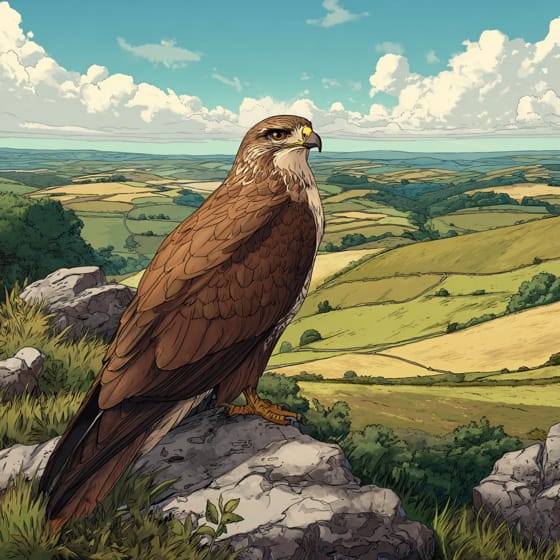
Buteo buteo
Hunted by birds of prey from above.
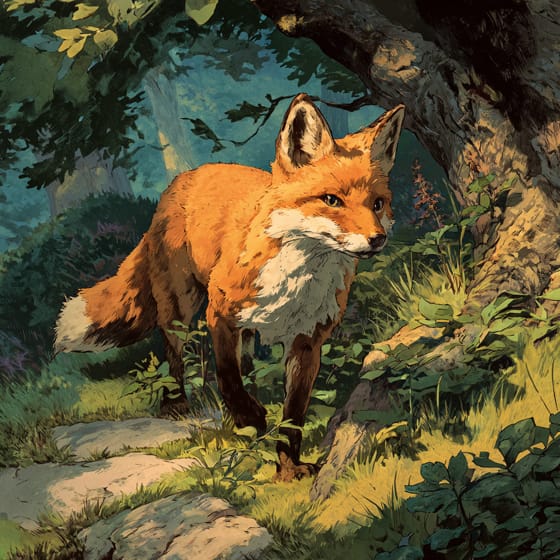
Vulpes vulpes
A meal for cunning foxes that patrol its habitat.

Helix aspersa
Crushes hard snail shells with powerful jaws.
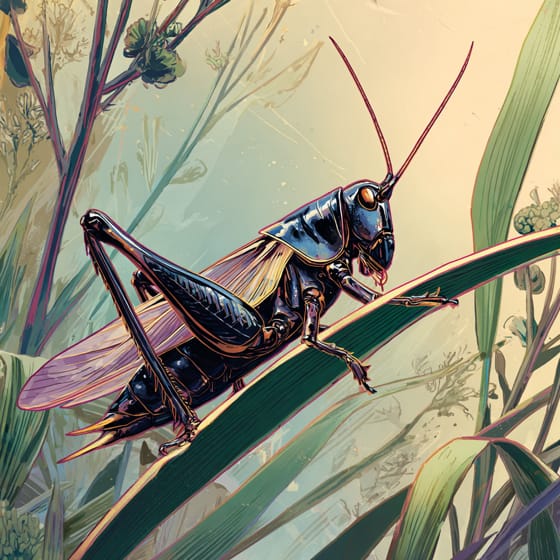
Gryllus bimaculatus
An active hunter of various ground-dwelling insects.
Solitary animals live alone for most of their lives, only interacting with others for mating or parental care.
Camouflaged describes organisms that possess coloring or patterns that allow them to blend into their environment.
Grassland habitats are terrestrial biomes dominated by grasses and herbaceous plants, supporting a variety of grazing animals.
This trait identifies organisms whose diet primarily consists of insects and other small invertebrates.

Diurnal animals are primarily active during daylight hours, typically resting or sleeping at night.
Regenerative organisms possess the ability to regrow lost or damaged body parts, tissues, or organs.

Endangered status indicates a species is at a very high risk of extinction in the wild in the near future.
No aliases listed yet.
Danger
1/5 · Very low
If you see a lizard, watch it from a distance and don't touch it.
The easiest way to identify European Glass Lizard is to use the Snappit nature identifier app.
60-120 cm
0.5-2.5 kg
20-30 years
8 km/h
This lizard is a skilled hunter, munching on insects, snails, and small rodents!
Grasslands
Foraging
Zoom in to split clusters and explore where this object has been snapped.
Recent snaps will appear here as new observations are added.
Take the discovery with you
Snap it with Snappit to identify it, learn what makes it special, and add the discovery to your collection.













