





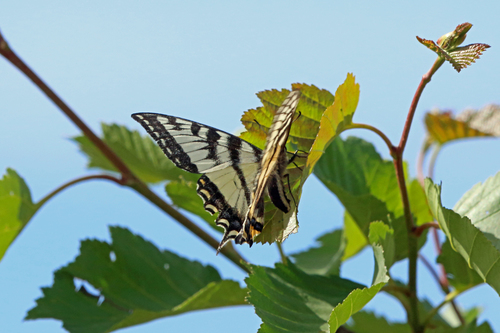
Canadian Tiger Swallowtail
Papilio canadensis
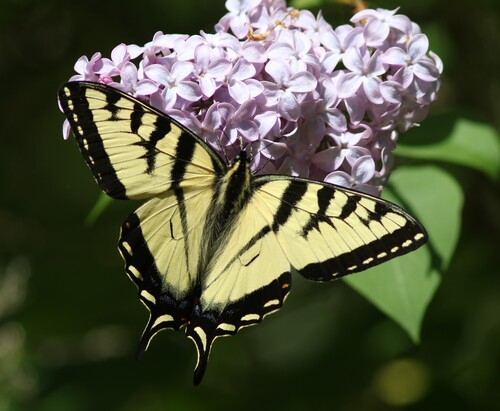
The Canadian Tiger Swallowtail is a beautiful butterfly with yellow and black stripes. It flutters around gardens and forests, bringing joy with its colorful wings.
Habitat: Forests
The Canadian Tiger Swallowtail is a large, vibrant butterfly with striking yellow wings marked by bold black tiger-like stripes. Its hindwings feature two distinctive "tails" and subtle blue and orange spots near the edge, setting it apart from similar species.
Category
InsectsRarity
Common
Danger
1/5 · Very low
Snaps
14
Male Canadian Tiger Swallowtails sometimes gather in "puddle clubs" to drink vital minerals from damp soil.
The caterpillars change their skin color from green to brown before they turn into a chrysalis!
These butterflies taste with their feet to find the best flowers for nectar!
They spend most of their life as a caterpillar, only emerging as a beautiful butterfly for a few short weeks!
Canadian Tiger Swallowtail can mimic a snake's head with its caterpillar form because of large eye-like spots that deter predators.
Canadian Tiger Swallowtail has a special organ called an osmeterium that emits a foul smell when disturbed, helping them ward off attackers.
Canadian Tiger Swallowtail can efficiently drink nectar from deep flowers because of its long, coiled proboscis that acts like a straw.
Adults sip sweet flower nectar, while their young munch on tree leaves to grow big and strong.
Age differences: Larvae (caterpillars) feed on tree leaves, while adults drink nectar from flowers.
Populus tremuloides
Caterpillars eat its leaves for food.
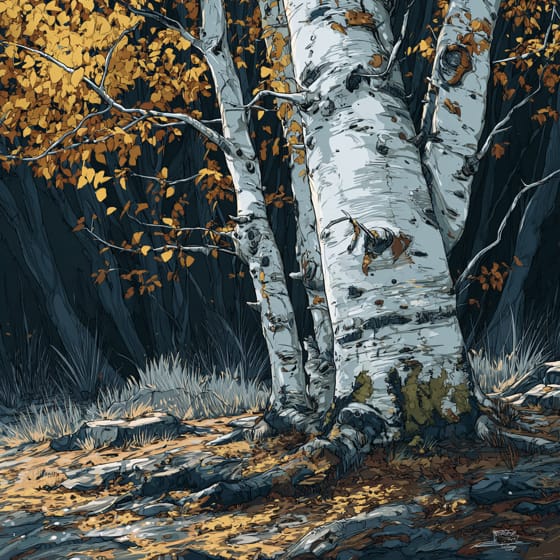
Betula papyrifera
Another important host plant for the caterpillars.

Asclepias syriaca
Adults drink nectar and transfer pollen.
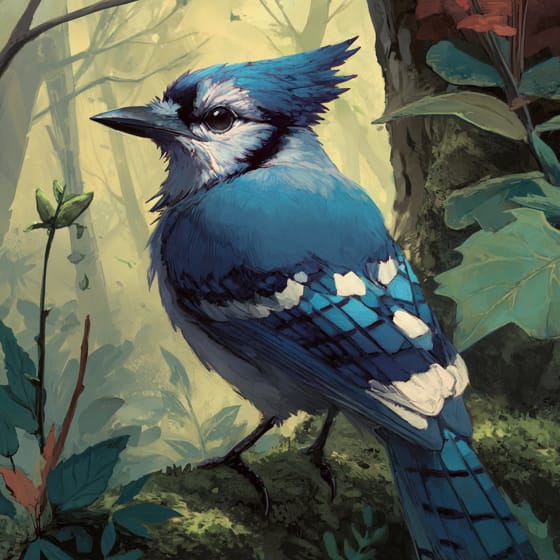
Cyanocitta cristata
Birds are common predators of both caterpillars and adults.
Marked with parallel bands or lines of color.
Colorful describes organisms or objects displaying a wide range of bright and distinct colors.
This trait characterizes organisms whose diet consists entirely or primarily of plant material.
Describes plants that are particularly attractive and beneficial to a wide range of pollinating organisms.

Forest habitats are terrestrial environments dominated by dense tree cover, supporting a high diversity of plant and animal life.

This trait characterizes organisms with an exceptionally long lifespan compared to others of their kind.

Diurnal animals are primarily active during daylight hours, typically resting or sleeping at night.

Migratory animals undertake seasonal movements from one region to another, typically in response to changes in climate or food availability.

Describes organisms that transfer pollen, enabling the fertilization and reproduction of plants.
No aliases listed yet.
Danger
1/5 · Very low
Butterflies are gentle and safe to watch, but don't try to catch them.
The easiest way to identify Canadian Tiger Swallowtail is to use the Snappit nature identifier app.
65-80 mm
30-45 mm
10-14 days
20 km/h
Adults sip sweet flower nectar, while their young munch on tree leaves to grow big and strong.
Forests
Foraging
Zoom in to split clusters and explore where this object has been snapped.
May 29, 2026
Sheepscot Historic DistrictPhoto attribution
no rights reserved
License: CC0 1.0 ↗
Image may be shown cropped inside the card frame.
Jun 10, 2015
Gakona Historic DistrictPhoto attribution
(c) Nigel Voaden, some rights reserved (CC BY)
License: CC BY 4.0 ↗
Image may be shown cropped inside the card frame.
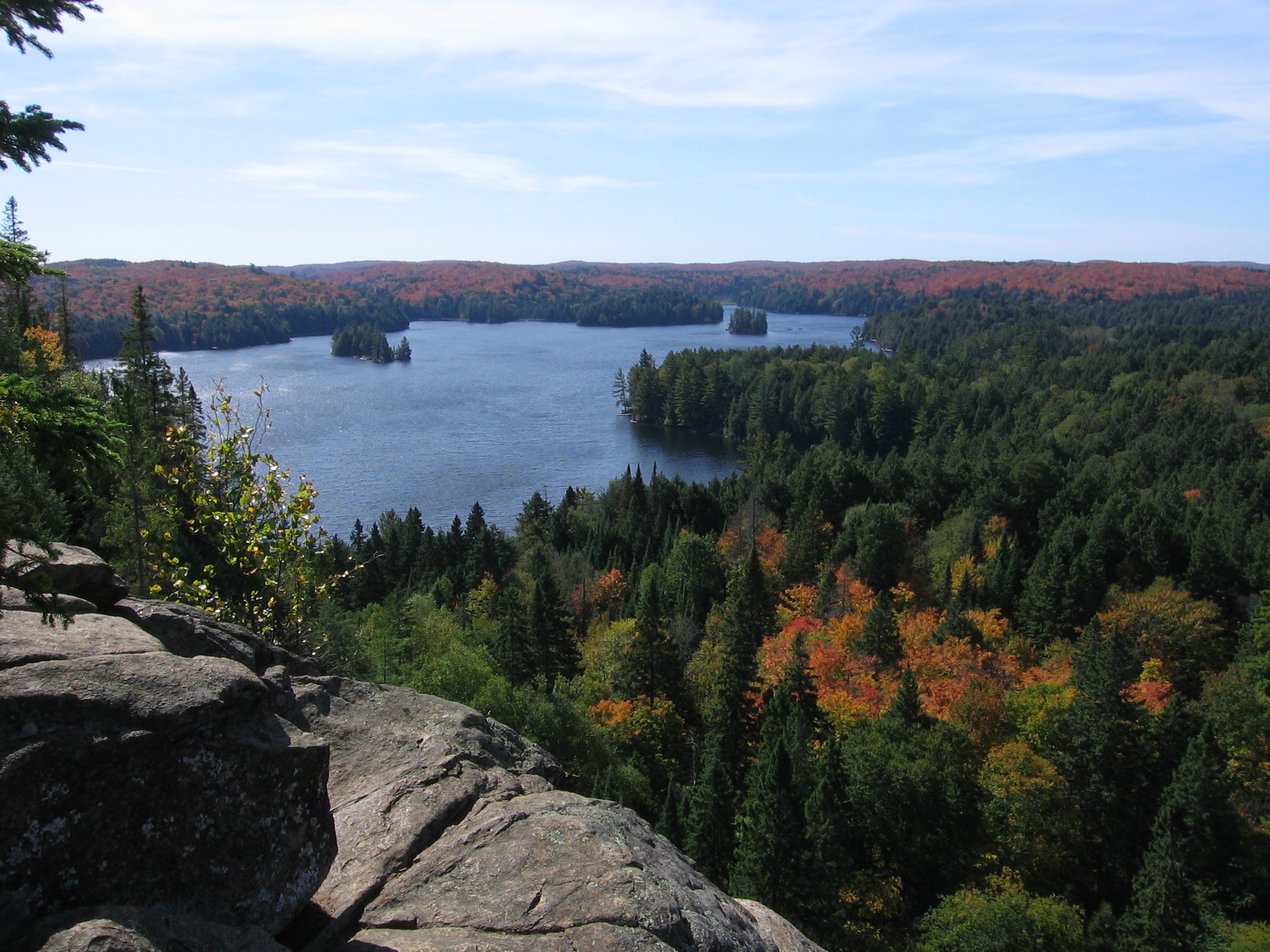
Ontario, CA
You might spot Canada Jay, American Beaver, and Black-Capped Chickadee.
View guide →

Vermont, US
You might spot Eastern White Pine, Staghorn Sumac, and Box Elder.
View guide →

Maine, US
You might spot Ghost Pipe, Pink Lady's Slipper, and Bluebead Lily.
View guide →

New Hampshire, US
You might spot Wood Nettle and Water Chickweed.
View guide →

Alaska, US
You might spot Canadian Bunchberry, Saskatoon, and Canadian Buffalo-Berry.
View guide →

Alaska, US
You might spot Brown Bear, Black Bear, and Moose.
View guide →
Take the discovery with you
Snap it with Snappit to identify it, learn what makes it special, and add the discovery to your collection.







.jpg&width=800)


