





European wood-sorrel
Oxalis acetosella
European wood-sorrel is a small plant with heart-shaped leaves and pretty white or pink flowers. It grows in shady forests and is often found in groups, making the ground look like a green carpet!
Habitat: Forests
The European wood-sorrel has delicate, clover-like leaves, each with three heart-shaped leaflets. Its small, bell-shaped flowers are typically white, sometimes tinged with pink or lilac, and distinctively marked with fine purple or violet veins.
Category
PlantsRarity
Common
Danger
1/5 · Very low
Snaps
1
Bumblebees love its nectar, helping the plant grow new seeds.
If you find a four-leaf wood-sorrel, it's considered very lucky!
Its Latin name, 'acetosella', means 'a little sour', just like its taste!
Some people call it 'fairy bells' because of its dainty, hanging white flowers.
European wood-sorrel can fold its leaves down at night or in harsh sun, protecting itself from cold or excessive light.
European wood-sorrel has seed pods that explosively eject tiny seeds when ripe, helping it spread far and wide.
European wood-sorrel forms an underground network of rhizomes, allowing it to rapidly spread and colonize new areas.
Apis mellifera
collects nectar and pollen
Bombus terrestris
visits flowers for nectar
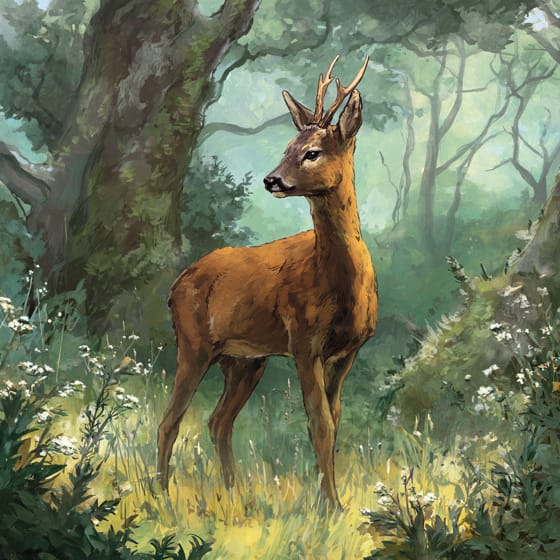
Capreolus capreolus
browses on its leaves
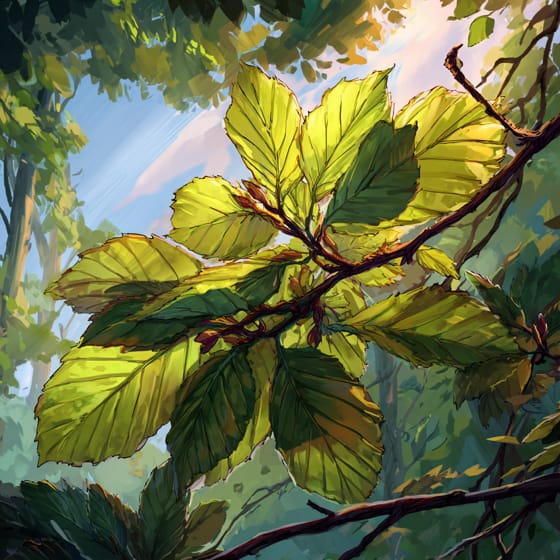
Fagus sylvatica
thrives in its shade
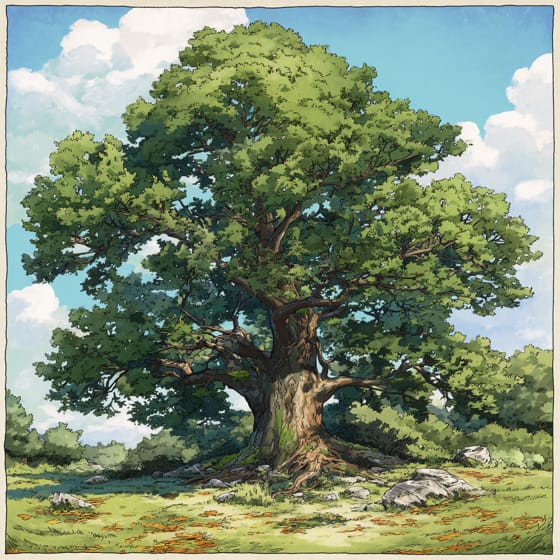
Quercus robur
grows under its canopy
Flowering plants are any plants that produce flowers as part of their reproductive cycle.
Shade tolerant plants are adapted to grow and thrive in areas with low light levels, requiring less direct sunlight.
Spring blooming plants produce their flowers during the spring season, often signifying the end of winter and the start of new growth.
Medicinal plants possess chemical compounds that can be used for therapeutic purposes to treat illnesses or maintain health.

Edible plants are those parts of a plant that are considered safe for human consumption.

Describes plants that are particularly attractive and beneficial to a wide range of pollinating organisms.

Forest habitats are terrestrial environments dominated by dense tree cover, supporting a high diversity of plant and animal life.
No aliases listed yet.
Danger
1/5 · Very low
Always check with an adult before touching or tasting plants.
The easiest way to identify European wood-sorrel is to use the Snappit nature identifier app.
5-15 cm
10-30 cm
1-2 cm
Spring to early summer
Yes
Mild
Perennial
Zoom in to split clusters and explore where this object has been snapped.
Take the discovery with you
Snap it with Snappit to identify it, learn what makes it special, and add the discovery to your collection.








.jpg&width=800)



_001.jpg&width=800)


