





European Woodland Sedge
Carex sylvatica
European Woodland Sedge is a grassy plant that grows in shady forests. It has long, slender leaves and can create soft, green patches on the forest floor.
Habitat: Forests
The European Woodland Sedge has delicate, arching, grass-like leaves that are bright green. Its slender, drooping flower spikes are greenish-brown, making it distinct from many upright grasses in shady forest undergrowth.
Category
PlantsRarity
Common
Danger
1/5 · Very low
Snaps
1
Despite looking like grass, sedges have triangular stems—try to feel one!
It's like nature's carpet, helping to protect the soil from heavy rain.
Its seeds are so tiny, they can catch the wind like parachutes to travel!
Some forest animals munch on its fresh green leaves for a quick snack.
European Woodland Sedge has leaves that often stay green all year, providing constant shelter for small forest creatures.
It can spread with underground stems called rhizomes, helping it form sturdy clumps and stabilize forest soil.
This sedge can thrive in deep shade, an adaptation that allows it to grow where many other plants struggle.
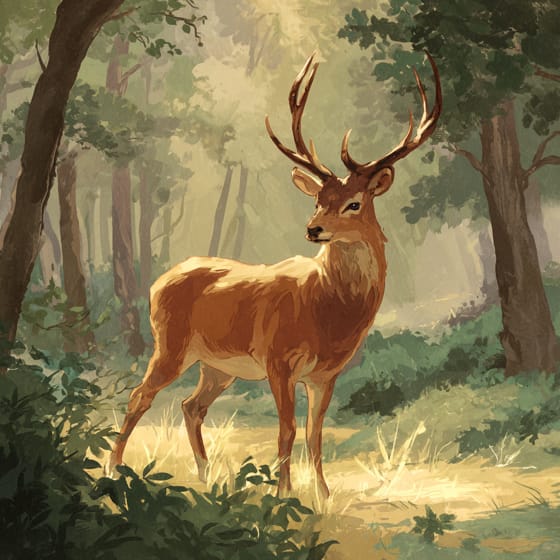
Cervus elaphus
Deer browse its leaves in woodlands.
Apodemus sylvaticus
Wood mice may feed on its tiny seeds.
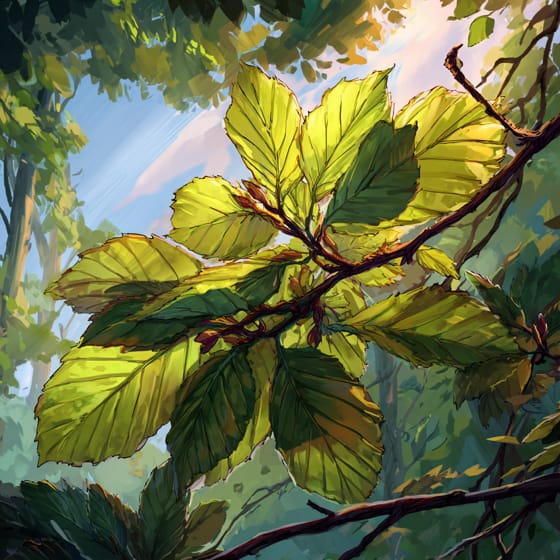
Fagus sylvatica
Thrives in the shade beneath its canopy.
Puccinia caricina
This fungus causes rust spots on its leaves.
Grass-like plants are herbaceous plants that visually resemble true grasses, typically having long, narrow leaves.
Shade tolerant plants are adapted to grow and thrive in areas with low light levels, requiring less direct sunlight.
Evergreen plants retain their foliage throughout the year, never shedding all their leaves at once.
Describes organisms that break down dead organic material, recycling nutrients back into the ecosystem.

Forest habitats are terrestrial environments dominated by dense tree cover, supporting a high diversity of plant and animal life.

Regenerative organisms possess the ability to regrow lost or damaged body parts, tissues, or organs.
No aliases listed yet.
Danger
1/5 · Very low
Always look but don't touch plants unless you know they are safe.
The easiest way to identify European Woodland Sedge is to use the Snappit nature identifier app.
30-90 cm
30-60 cm
Spring to early summer
No
None
Perennial
Wind
Zoom in to split clusters and explore where this object has been snapped.
Take the discovery with you
Snap it with Snappit to identify it, learn what makes it special, and add the discovery to your collection.









.jpg&width=800)



_001.jpg&width=800)


