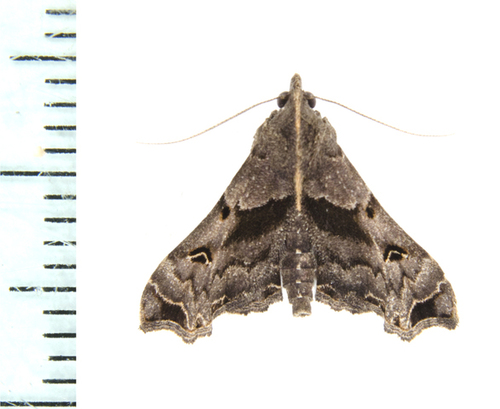


Faint-Spotted Palthis Moth
palthis asopialis
The Faint-Spotted Palthis Moth is a charming and inconspicuous member of the litter moth subfamily, Herminiinae. Widely distributed across eastern North America, this small insect plays a vital ecological role as a decomposer during its larval stage. What truly sets this moth apart is its remarkable facial anatomy, featuring elongated labial palps that project forward like a miniature beak, giving it a distinctive 'snouted' silhouette when resting on forest debris.
Habitat: Found in deciduous forests, wooded parklands, and suburban gardens where leaf litter is abundant.
This moth has a wingspan of roughly 1.8 to 2.3 cm. Its forewings are typically light brown to grayish-tan, adorned with fine, wavy, darker brown lines and a faint, sometimes obscure dark spot near the center of each wing. A key identifier is the prominent, upward-curved labial palps on the head of males, which are densely tufted and resemble tiny horns, while females have slightly less exaggerated, straight palps.
Category
InsectsRarity
Common
Danger
1/5 · Very low
Snaps
3
The species name asopialis refers to its historical taxonomic placement and appearance.
Their unusually long labial palps look like a miniature elephant trunk or a pair of extra legs extending from their head.
Unlike many other moths that rely strictly on green living plants, their caterpillars are crucial forest floor recyclers that eat dead leaves.
When resting on forest floors, it folds its wings and tucks its legs to perfectly mimic a tiny piece of dead, dried leaf.
Possesses highly modified, brush-like palps that are packed with sensory receptors, helping them navigate and detect pheromones.
The caterpillars have specialized gut enzymes that allow them to extract nutrients from tough, decaying leaf litter.
Larvae primarily feed on dead and decaying leaves on the forest floor, while adults sip nectar from various wild flowers.
Age differences: Larvae are detritivores feeding on leaf litter, whereas adults are herbivores feeding primarily on floral nectar.
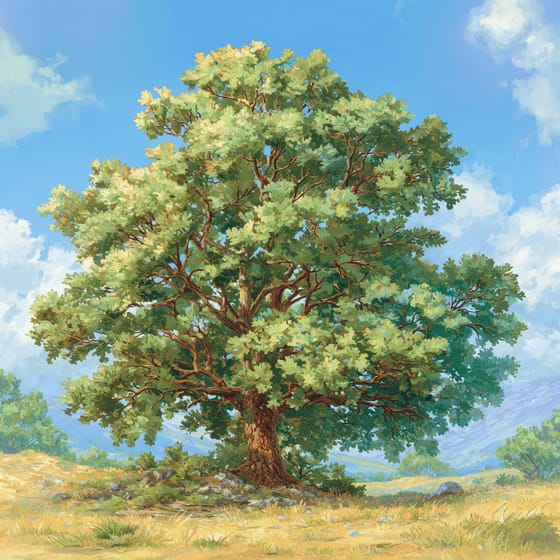
Quercus alba
Caterpillars feed on the decaying leaves of this tree species.

Megascops asio
Adult moths are preyed upon by this common nocturnal hunter.
Phidippus audax
Spiders capture the adults in low-lying vegetation.
No trait badges are assigned for this object yet.
No aliases listed yet.
Collections for this object will appear here as more themes are added.
Danger
1/5 · Very low
No special safety notes yet.
The easiest way to identify Faint-Spotted Palthis Moth is to use the Snappit nature identifier app.
12+ cm
23+ cm
8 km/h
Larvae primarily feed on dead and decaying leaves on the forest floor, while adults sip nectar from various wild flowers.
Found in deciduous forests, wooded parklands, and suburban gardens where leaf litter is abundant.
Foraging
50150+
Zoom in to split clusters and explore where this object has been snapped.
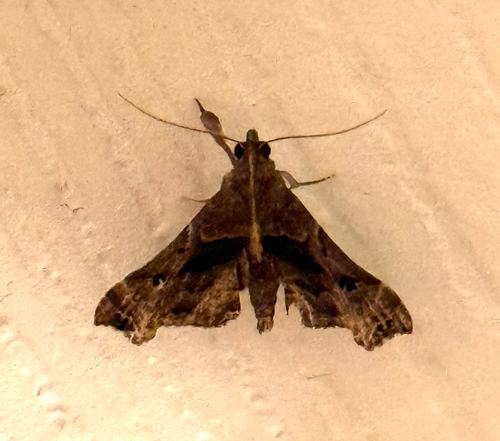
Jun 15, 2026
Alfred B. Maclay Gardens State ParkPhoto attribution
(c) Tia Offner, some rights reserved (CC BY)
License: CC BY 4.0 ↗
Image may be shown cropped inside the card frame.

Florida, US
You might spot Anole, Eastern Box Turtle, and Golden Silk Spider.
View guide →
Delaware, US
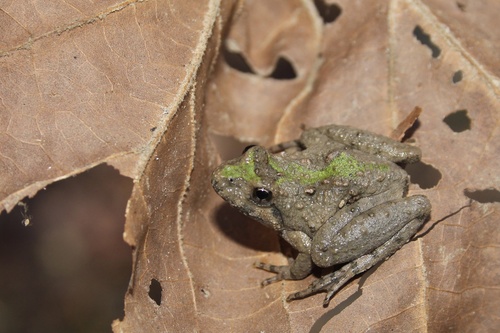
You might spot Northern Cricket Frog, Fan Clubmoss, and Fowler's Toad.
View guide →

Pennsylvania, US
You might spot Downy Rattlesnake Plantain and Striped Wintergreen.
View guide →
Take the discovery with you
Snap it with Snappit to identify it, learn what makes it special, and add the discovery to your collection.












.jpg&width=800)




