





False Leptura Beetle
Cephaloon lepturides
The False Leptura Beetle is a small, colorful insect that loves to hide in trees and bushes. Its bright colors help it blend in with flowers and leaves, making it a fun find in nature!
Habitat: Forests
The False Leptura Beetle is slender and elongated, often with a metallic sheen in shades of greenish-blue, bronze, or coppery-brown. Its head is distinctly broader than its pronotum, and it has long, prominent antennae. This beetle visually mimics true flower longhorn beetles, but its head shape is unique.
Category
InsectsRarity
Common
Danger
1/5 · Very low
Snaps
2
Adult False Leptura Beetles love to sip nectar and munch on pollen from flowers!
Despite their looks, these beetles are not true longhorn beetles at all!
Its scientific name, Cephaloon, means 'head' because of its distinctively wide head!
Some people call it a 'mock longhorn' as it looks like a different beetle family!
False Leptura Beetles mimic longhorn beetles to deter predators, making them appear less tasty or more formidable.
False Leptura Beetles have powerful wings that help them fly swiftly between flowers and forest canopies.
False Leptura Beetles use their long antennae to detect chemical cues, helping them find food and mates.
Adult False Leptura Beetles enjoy sweet nectar and nutritious pollen from various flowers!
Age differences: Larvae develop in dead or decaying wood, while adults feed on nectar and pollen.
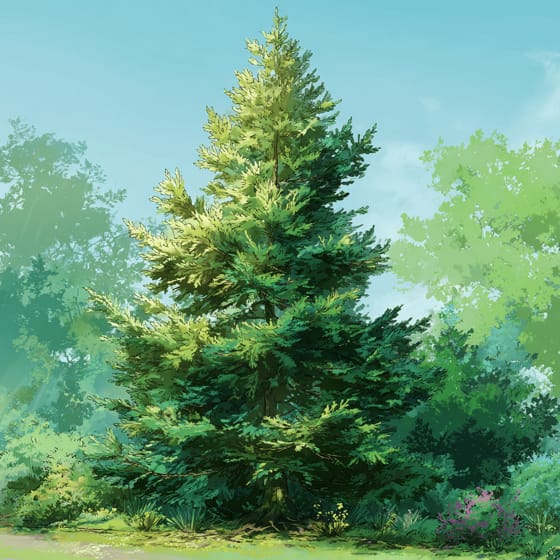
Picea abies
Larvae develop within the dead wood of spruce trees.
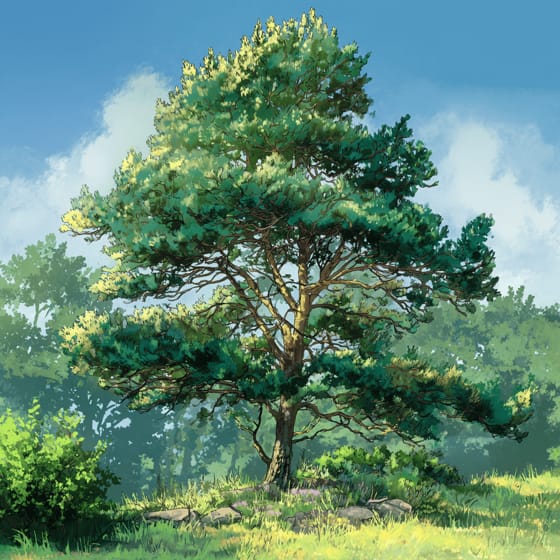
Pinus sylvestris
Their larvae also feed on the decaying wood of Scots Pine.
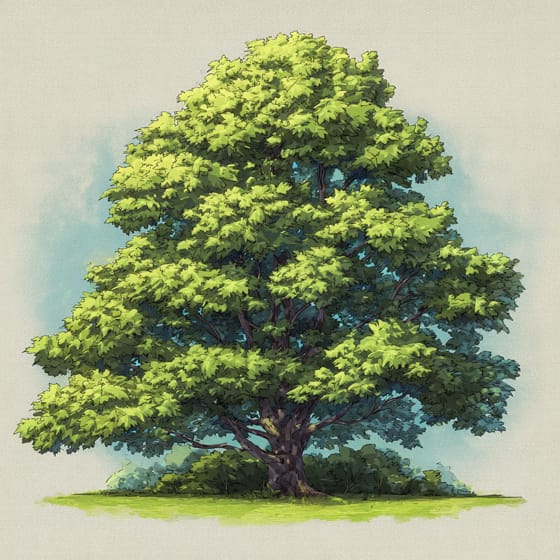
Acer pseudoplatanus
Adult beetles visit and pollinate sycamore maple flowers.
%2C_Parc_de_Woluw%C3%A9%2C_Brussels_(13042792905).jpg&width=800)
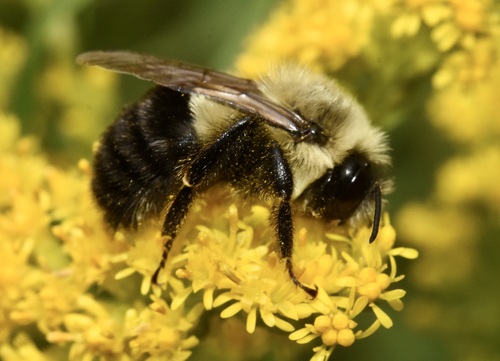
Parus major
Adult beetles can be a food source for insectivorous birds.
Solitary animals live alone for most of their lives, only interacting with others for mating or parental care.
Camouflaged describes organisms that possess coloring or patterns that allow them to blend into their environment.
Colorful describes organisms or objects displaying a wide range of bright and distinct colors.
This trait characterizes organisms whose diet consists entirely or primarily of plant material.

Describes plants that are particularly attractive and beneficial to a wide range of pollinating organisms.

Forest habitats are terrestrial environments dominated by dense tree cover, supporting a high diversity of plant and animal life.

Diurnal animals are primarily active during daylight hours, typically resting or sleeping at night.

Describes organisms that transfer pollen, enabling the fertilization and reproduction of plants.
No aliases listed yet.
Danger
1/5 · Very low
It's safe to look at beetles, but don't touch them unless you know they're friendly.
The easiest way to identify False Leptura Beetle is to use the Snappit nature identifier app.
15-25 mm
8-15 mm
30-60 days
Adult False Leptura Beetles enjoy sweet nectar and nutritious pollen from various flowers!
Forests
Foraging
6
Zoom in to split clusters and explore where this object has been snapped.
Take the discovery with you
Snap it with Snappit to identify it, learn what makes it special, and add the discovery to your collection.








.jpg&width=800)


