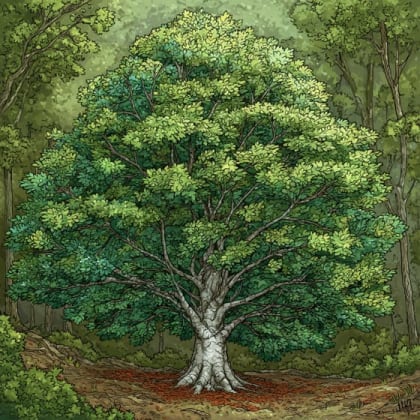
Mountain Laurel

Step back in time at Chopawamsic RDA Camp 2, a remarkably preserved New Deal-era cabin camp nestled within Virginia's Prince William Forest Park.
Step back in time at Chopawamsic RDA Camp 2, a remarkably preserved New Deal-era cabin camp nestled within Virginia's Prince William Forest Park. This historic district, also known as Camp Mawavi, offers a compelling blend of natural beauty and human history, inviting visitors to explore rustic architecture and serene woodland settings. It stands as a testament to efforts during the Great Depression to provide accessible outdoor recreation.
Originally constructed by the Civilian Conservation Corps (CCC) and Works Progress Administration (WPA) during the 1930s, Camp Mawavi features 58 contributing buildings, structures, and sites. These include 36 cabins, a dining hall, various other utility buildings, and a dam, all designed with a harmonious rustic aesthetic using indigenous materials. Visitors can explore these well-preserved examples of CCC architecture, offering a tangible connection to a pivotal period in American history and demonstrating early approaches to integrated landscape and structural design.
Today, the camp's original purpose of providing recreational opportunities for urban youth continues in spirit through its integration into Prince William Forest Park. It's a memorable destination for those interested in history, architecture, and tranquil natural environments. The camp's location within the park also provides access to the Piedmont forest, offering opportunities to observe diverse flora and fauna, making it a truly engaging experience for all ages. Don't forget to bring the Snappit nature identification app along to scan local species.
Chopawamsic RDA Camp 2, known as the Mawavi Historic District, is an important legacy of President Franklin D. Roosevelt's New Deal initiatives, specifically the Civilian Conservation Corps (CCC) and the Recreation Demonstration Area (RDA) program. Initiated in mid-1934, the Chopawamsic Recreational Demonstration Area was the fourth-largest of 46 RDAs created nationwide, designed to reclaim depleted natural resources and provide public recreational facilities. The CCC and WPA laborers, many of whom earned $1 per day, developed the area between 1935 and 1942, transforming exhausted farmlands into a place for hiking, swimming, and group activities for residents, particularly youth from nearby Washington D.C. Camp Mawavi, initially one of five cabin camps within the Chopawamsic RDA, was largely completed by 1940. The name "Mawavi" is a clipped compound derived from Maryland, Washington, D.C., and Virginia, reflecting its intended service area. Initially, the camps within Chopawamsic were segregated, with Camps Two, Three, and Five (including Mawavi/Camp 2) designated for white campers. In 1948, the Chopawamsic Recreational Demonstration Area was officially renamed Prince William Forest Park, though its historic structures continue to tell the story of its New Deal origins.
Walk through Camp Mawavi to admire the unique CCC architecture and imagine its past as a youth summer camp. Hike the trails that connect the various historic camps within Prince William Forest Park. Observe the local wildlife in their natural habitat. Many of the original cabin camps, including Mawavi, are still used for group camping.
Spring: Ideal for hiking and birdwatching as migratory birds return and wildflowers bloom.
Summer: Lush green foliage provides shade, but be prepared for heat and humidity. Great for experiencing the camp as a summer retreat.
Fall: Spectacular fall foliage, cooler temperatures perfect for hiking.
Winter: Quieter trails, potential for snow, good for solitude and tracking wildlife.
Prince William Forest Park generally strives for accessibility, but as a historic site with rustic construction, some areas within Camp Mawavi might have uneven terrain or gravel paths. Visitors should inquire with the Prince William Forest Park visitor center for specific accessibility details regarding the historic camps. The park has general accessibility information available for various facilities like parking, restrooms, and some trails.
The well-preserved Civilian Conservation Corps (CCC) era rustic cabins, the historic dining hall, and the overall layout of Camp Mawavi. Exploring the architectural style and craftsmanship of the CCC-built structures provides a tangible link to the New Deal era. The surrounding natural forest environment, part of the larger Prince William Forest Park, offers opportunities for nature observation.
Each card links to a full Explore page with photos, traits, and fun facts.
Start with the big picture, then zoom in to explore individual wildlife observations around this place.
Wear comfortable walking shoes
Many areas, especially around the historic cabins and trails, involve walking on uneven terrain or gravel paths.
Bring a camera
The rustic CCC architecture and the serene natural surroundings offer excellent photographic opportunities.
Visit the Prince William Forest Park Visitor Center first: Obtain maps, current conditions, and detailed information about accessing Camp Mawavi and other historic sites.
Pack water and snacks
Especially if planning to hike, as amenities might be limited directly within the camp area.
Check for park programs
Prince William Forest Park often hosts ranger-led programs or interpretive walks that could enhance your understanding of the area's history and ecology.
Respect historic structures
Observe the cabins and buildings from designated areas and follow any posted guidelines to help preserve these valuable historic assets.
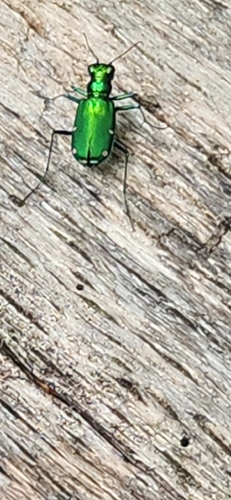
May 17, 2026
Photo attribution
(c) Adam Archie, some rights reserved (CC BY)
License: CC BY 4.0 ↗
Image may be shown cropped inside the card frame.
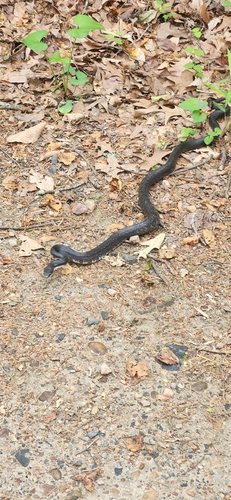
May 17, 2026
Photo attribution
(c) Adam Archie, some rights reserved (CC BY)
License: CC BY 4.0 ↗
Image may be shown cropped inside the card frame.
May 13, 2026
Photo attribution
(c) happyslug, some rights reserved (CC BY)
License: CC BY 4.0 ↗
Image may be shown cropped inside the card frame.
Jun 6, 2026
Jun 6, 2026

Maryland, US
You might spot White-Tailed Deer and Eastern Gray Squirrel.
View guide →
.jpg)
District of Columbia, US
You might spot Eastern Gray Squirrel, Duck, and House Sparrow.
View guide →

Illinois, US
You might spot American Robin, Canada Goose, and House Sparrow.
View guide →

Virginia, US
You might spot Spotted Lanternfly and Northern Cardinal.
View guide →
Take the discovery with you
Identify the wildlife you spot, learn as you go, and keep a collection of the adventure.