





Far Eastern Smartweed
persicaria extremiorientalis
The Far Eastern Smartweed is a fun plant that loves to grow near water! Its bright green leaves and tiny pink flowers make it a colorful addition to nature walks.
Habitat: Far Eastern Smartweed thrives in wetlands, near rivers, and along the edges of ponds.
The Far Eastern Smartweed has slender stems with lance-shaped green leaves often marked with a distinctive dark, reddish-brown blotch in the center. Its tiny, pale pink to white flowers grow in dense, upright spike-like clusters at the tips of the stems, creating a soft, feathery appearance.
Category
PlantsRarity
Common
Danger
0/5 · No known danger
Snaps
3
Even small stem pieces can grow into new plants!
Its tiny seeds are an important snack for many birds!
Look closely for a dark V-shape on its leaves, a smartweed signature!
Some people call its spicy leaves 'poor man's pepper'!
Far Eastern Smartweed can quickly grow in disturbed soil and wet areas, helping it dominate new spaces.
Far Eastern Smartweed has a peppery taste in its leaves, which can deter some herbivores from eating it.
Far Eastern Smartweed can thrive in very wet or damp soils, allowing it to grow where many other plants cannot.
Apis mellifera
Gathers nectar and pollen
Anas platyrhynchos
Feeds on seeds from the plant
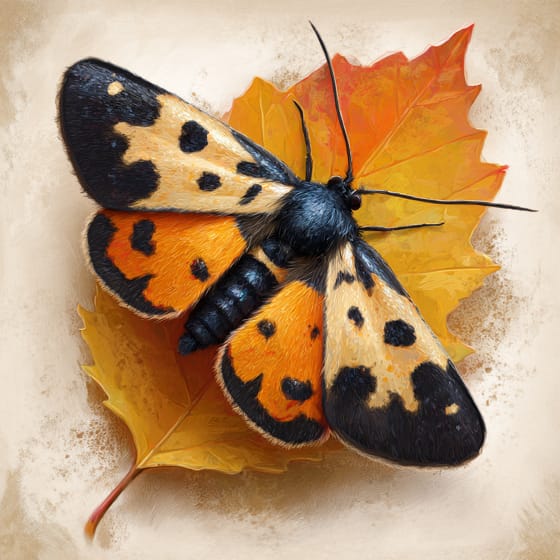
Pyrrharctia isabella
Its caterpillars browse leaves
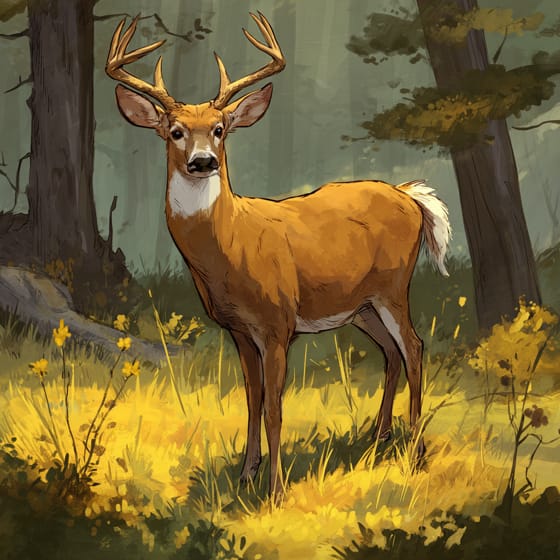
Odocoileus virginianus
Browses on young foliage
Colorful describes organisms or objects displaying a wide range of bright and distinct colors.
This trait characterizes organisms whose diet consists entirely or primarily of plant material.
Aquatic habitats encompass environments where organisms live predominantly in water, including oceans, rivers, lakes, and wetlands.
Describes organisms that transfer pollen, enabling the fertilization and reproduction of plants.
Danger
0/5 · No known danger
No special safety notes yet.
The easiest way to identify Far Eastern Smartweed is to use the Snappit nature identifier app.
30-100 cm
30-60 cm
0.2-0.4 cm
Summer to Fall (July-October)
Yes
None
Annual
Zoom in to split clusters and explore where this object has been snapped.

Connecticut, US
You might spot Bold Jumping Spider and American Tuliptree.
View guide →

Connecticut, US
You might spot Diamondback Terrapin, Canada Goose, and Osprey.
View guide →

New York, US
You might spot Golden Oyster Mushroom and Common Milkweed.
View guide →
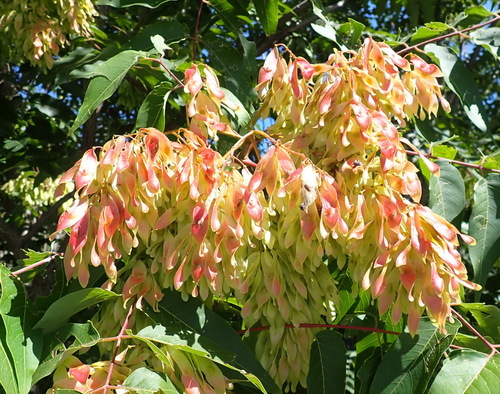
New York, US
You might spot Tree-Of-Heaven, Spotted Lanternfly, and Rock Pigeon.
View guide →
Take the discovery with you
Snap it with Snappit to identify it, learn what makes it special, and add the discovery to your collection.









.jpg&width=800)



_001.jpg&width=800)




