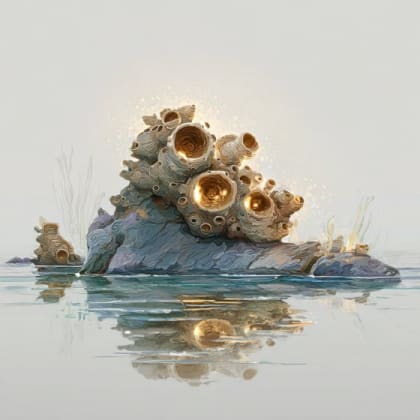
Fatmucket
Lampsilis siliquoidea
The Fatmucket is a special kind of clam that lives in rivers and lakes. It has a smooth, shiny shell and helps keep the water clean by filtering it.
Habitat: Freshwater lakes and rivers
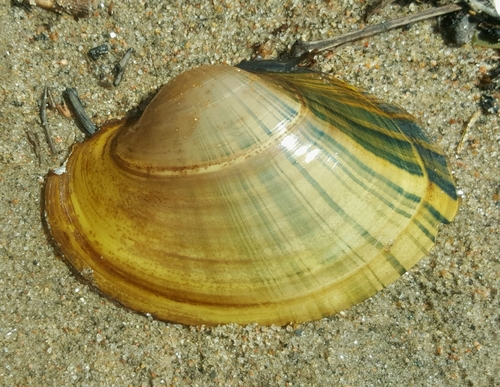
The Fatmucket has a smooth, oval-shaped shell, typically yellowish, light brown, or greenish. Its inner shell is pearly white, making it distinct from many darker-shelled mussels. The shell's shape can vary slightly, appearing more inflated in some areas.
Category
InvertebrateRarity
Common
Danger
1/5 · Very low
Snaps
2
Fatmuckets have a powerful muscular foot that lets them slowly 'walk' along the river bottom!
Its babies must latch onto a fish's gills or fins for a short ride to grow big enough!
Scientists can tell how old a Fatmucket is by counting growth rings on its shell, like a tree!
They can survive many years buried in the riverbed, often living longer than many pets!
Fatmucket can clean its watery home by filtering tiny food particles, helping keep the water clear and healthy.
Fatmucket has a special mantle flap that wiggles like a tiny fish to trick larger fish into coming closer.
Fatmucket can burrow into the riverbed using its muscular foot, staying safe from predators and strong currents.
Fatmuckets are filter-feeders, eating tiny food particles strained from the water.

Procyon lotor
preys on mussels in shallow waters
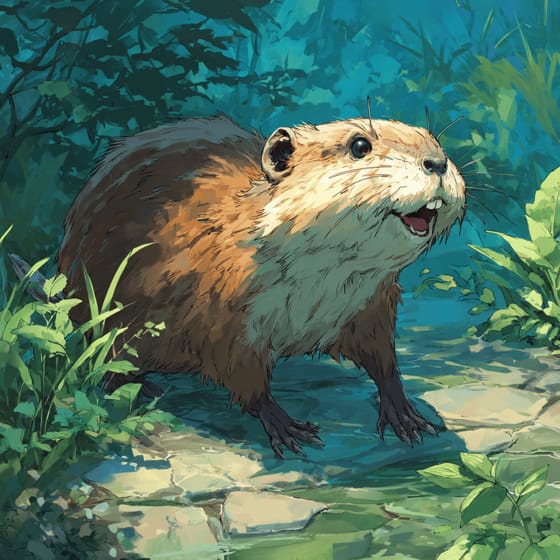
Ondatra zibethicus
cracks open shells to eat the soft mussel
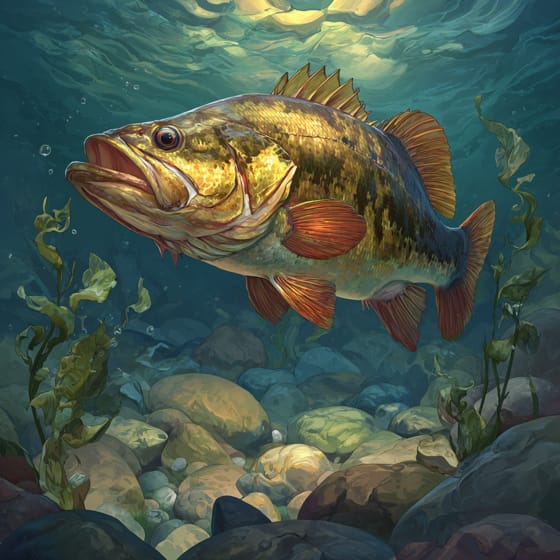
Micropterus dolomieu
provides a host for mussel larvae to develop
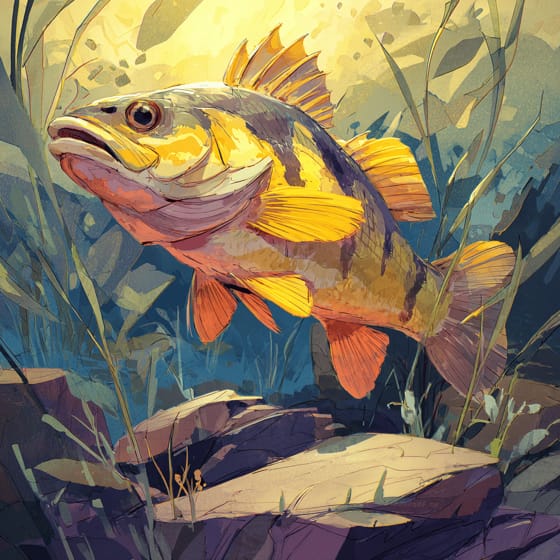
Perca flavescens
allows mussel larvae to attach to its gills
Solitary animals live alone for most of their lives, only interacting with others for mating or parental care.
Camouflaged describes organisms that possess coloring or patterns that allow them to blend into their environment.
Filter feeders obtain nutrients by straining suspended food particles and small organisms from water.
This trait characterizes organisms whose diet consists entirely or primarily of plant material.

This trait characterizes organisms with an exceptionally long lifespan compared to others of their kind.

Freshwater habitats include non-saline aquatic environments such as rivers, lakes, ponds, and wetlands, vital for numerous species.

Describes a species whose presence and role have a disproportionately large effect on its environment.
No aliases listed yet.
Danger
1/5 · Very low
Always wash your hands after playing near water to stay healthy.
The easiest way to identify Fatmucket is to use the Snappit nature identifier app.
7-12 cm
40-100 g
10-20 years
Fatmuckets are filter-feeders, eating tiny food particles strained from the water.
Freshwater lakes and rivers
Filter Feeding
Zoom in to split clusters and explore where this object has been snapped.
North Dakota, US
You might spot African Lion, Tiger, and Reticulated Giraffe.
View guide →
Iowa, US
You might spot Plain Pocketbook, Fatmucket, and Wabash Pigtoe.
View guide →

Pennsylvania, US
You might spot Garlic Mustard, Garter Snake, and Dame's Rocket.
View guide →
Take the discovery with you
Snap it with Snappit to identify it, learn what makes it special, and add the discovery to your collection.