




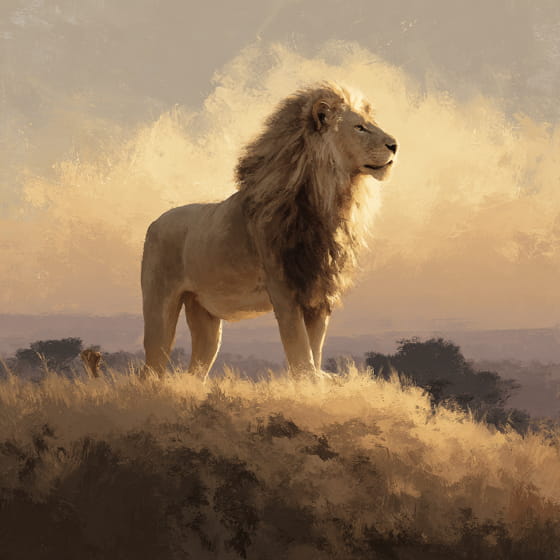
African Lion
Roosevelt Park Zoo offers an exciting wildlife experience in the heart of Minot, North Dakota.
Roosevelt Park Zoo offers an exciting wildlife experience in the heart of Minot, North Dakota. As the oldest zoo in North Dakota, it's a beloved community gem, accredited by the Association of Zoos & Aquariums (AZA), signifying its high standards in animal care, conservation, and guest experience. This inviting destination provides a unique opportunity to connect with over 160 animals representing more than 50 species from around the globe, making it a must-visit for nature enthusiasts of all ages.
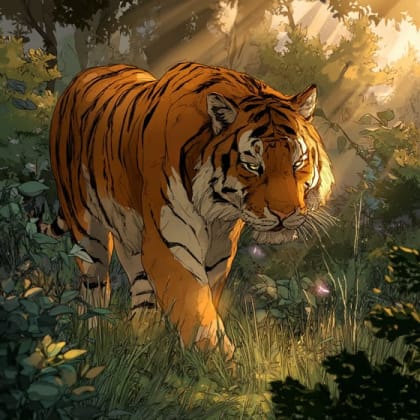
Visitors can explore immersive habitats, including captivating big cat exhibits featuring majestic African Lions, critically endangered Amur Tigers, and elusive Amur Leopards. The new African Plains exhibit stands out, offering the chance for guests to hand-feed towering Reticulated Giraffes, an experience that creates lasting memories. Other highlights include the playful African Penguins, the fascinating Two-toed Sloth named Helen, curious Red Pandas, and the impressive Brown Bears.
With its commitment to conservation and education, Roosevelt Park Zoo provides engaging experiences year-round, from interactive animal encounters to seasonal events. It's a place where families can learn about wildlife, witness the wonders of the animal kingdom up close, and contribute to vital conservation efforts, ensuring a memorable and inspiring visit for everyone. Enhance your adventure: download the Snappit app to identify the local species you encounter.
The Roosevelt Park Zoo began modestly on April 9, 1914, as Riverside Park Zoo, initially housing just 24 squirrels. The zoo acquired its first large mammal, an American Bison, in 1920 or 1921, and constructed its first permanent structure, the Zoological Building (now the aviary), in 1921. Following the death of former President Theodore Roosevelt, the park and zoo were renamed Roosevelt Park Zoo in 1922, honoring his legacy as a passionate conservationist. Over the decades, the zoo expanded its collection, bringing in animals such as lions, elephants, and monkeys. The zoo has faced significant challenges, including major floods in 1969 and 2011 from the Souris River, which flows through the property, necessitating the temporary relocation of all animals and leading to redesigns of the grounds. In 1970, the zoo became an independent entity from the city-owned Roosevelt Park, with the Greater Minot Zoological Society (GMZS) formed to support its operations and growth, including achieving AZA accreditation.
Engage in daily "Wild Happenings," which include keeper chats, animal feedings (like the bears and penguins), and training sessions. Consider a unique animal encounter for an up-close experience with species like sloths, okapi, or tigers. Enjoy a ride on the Critter Caboose train during the summer months.
Summer (June-August): The zoo operates with extended hours (9:00 AM to 8:00 PM) and all outdoor attractions, including the train ride, are typically available.
Winter (October-April): While hours are reduced (10:00 AM to 3:00 PM), many animals are still viewable, and North American species such as river otters and wolves can be particularly active and engaging in snowy conditions. The Visitor Center, Aviary, and Discovery Barn remain open.
Roosevelt Park Zoo is fully accessible, offering wheelchair-accessible doors, ramps, and restrooms. Wheelchairs are available for rent, and trails are paved or partially paved. Sensory-friendly resources, including sensory bags and noise-canceling headphones, along with Sensory Explorer Kits for those with visual impairments, are also available.
Don't miss the African Plains exhibit for giraffe hand-feeding, the big cat exhibits featuring African Lions and Amur Tigers, and the interactive African Penguin habitat. Seek out the elusive Amur Leopard, the fascinating Okapi, and the playful Red Pandas. The Discovery Barn and Children's Zoo are great for younger visitors.
Each card links to a full Explore page with photos, traits, and fun facts.
Start with the big picture, then zoom in to explore individual wildlife observations around this place.
Arrive Early
Visit in the morning to see animals at their most active and to catch zookeepers during feeding and cleaning routines.
Check the Daily Schedule
Consult the zoo's website or check at the entrance for the "Wild Happenings" schedule, which includes free keeper chats, animal feedings, and training sessions that enhance your visit.
Experience an Animal Encounter
For a truly memorable experience, consider booking a unique animal encounter to get up close with a sloth, okapi, tiger, or penguin (additional fees apply, check age restrictions).
Rent a Wagon or Stroller
The zoo grounds are easy to navigate, but for families with young children, renting a wagon at the entrance can make exploring more comfortable.
Explore in All Seasons
Don't limit your visit to summer; many North American animals, such as river otters and wolves, are particularly playful and active in winter.
Utilize Accessibility Resources
If needed, take advantage of the available wheelchairs, sensory bags, or Sensory Explorer Kits to ensure a comfortable and inclusive experience for all visitors.
May 30, 2026
May 26, 2026
May 23, 2026
May 16, 2026
May 16, 2026

Michigan, US
You might spot African Lion, Komodo Dragon, and Brown Bear.
View guide →
.jpg)
Municipal District of Cobh, IE
You might spot Ring-Tailed Lemur, Giraffes, and Cheetahs.
View guide →

Nouvelle-Aquitaine, FR
You might spot Greater Flamingo, Giraffes, and Red Panda.
View guide →

Texas, US
You might spot Giraffes, African Lion, and Eastern Black Rhinoceros.
View guide →
Take the discovery with you
Identify the wildlife you spot, learn as you go, and keep a collection of the adventure.
















_(9471470335).jpg&width=800)















