





Ferns
polypodiopsida
Ferns are leafy plants that thrive in shady, moist areas. They come in many shapes and sizes, making them fun to discover in nature.
Habitat: Ferns typically live in damp, shady spots like forests and gardens.
The Ferns has lush green fronds, often intricately divided into smaller leaflets, giving them a feathery or lacy appearance. They typically grow in shaded, moist areas, appearing as vibrant groundcover or tall, graceful tree-like structures. Unlike flowering plants, ferns never produce colourful blooms or seeds.
Category
PlantsRarity
Common
Danger
0/5 · No known danger
Snaps
Be the first to snap!
Ancient ferns once formed vast forests, creating much of the coal we use today.
Some amazing ferns can grow completely submerged underwater in lakes and ponds!
The largest fern can grow taller than a house, up to 20 meters high!
Young fern fronds, called fiddleheads, are eaten as a tasty spring vegetable.
Ferns can reproduce using tiny spores, allowing them to spread without needing flowers or seeds.
Ferns have existed since dinosaur times, adapting to many changes on Earth for millions of years.
Ferns can thrive in deep shade where most plants struggle, thanks to their efficient light-gathering fronds.
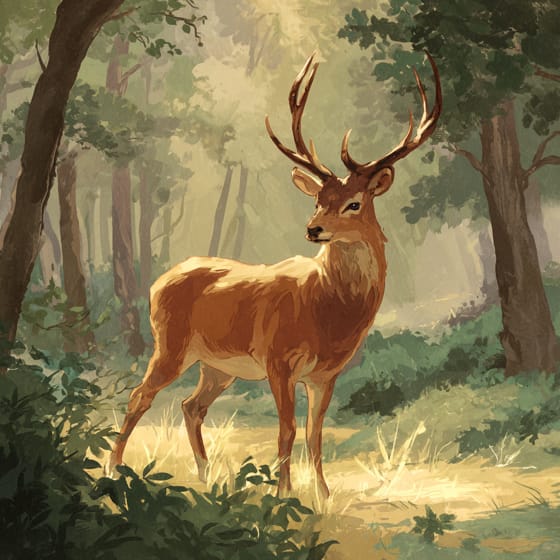
Cervus elaphus
Browses on various fern species, especially young fronds.

Arion ater
Grazes on the fronds of many ground-dwelling ferns.
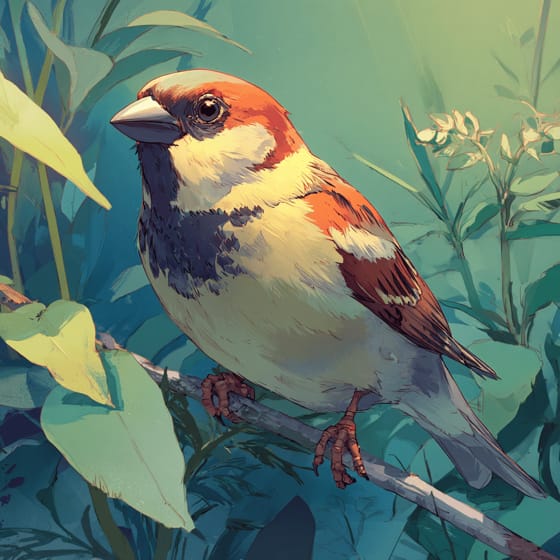
Passer domesticus
Uses dense fern patches for cover and nesting sites.
Rhizophagus intraradices
Forms beneficial root associations with many fern species.
Solitary animals live alone for most of their lives, only interacting with others for mating or parental care.
Colorful describes organisms or objects displaying a wide range of bright and distinct colors.
This trait characterizes organisms whose diet consists entirely or primarily of plant material.
Describes organisms that break down dead organic material, recycling nutrients back into the ecosystem.

Forest habitats are terrestrial environments dominated by dense tree cover, supporting a high diversity of plant and animal life.
Danger
0/5 · No known danger
No special safety notes yet.
The easiest way to identify Ferns is to use the Snappit nature identifier app.
5-1500 cm
10-500 cm
Yes
None
Perennial
Ferns typically live in damp, shady spots like forests and gardens.
Zoom in to split clusters and explore where this object has been snapped.
Recent snaps will appear here as new observations are added.
Take the discovery with you
Snap it with Snappit to identify it, learn what makes it special, and add the discovery to your collection.









.jpg&width=800)



_001.jpg&width=800)




