_-_Jupiter_Ridge_Natural_Area_-_Palm_Beach_County%2C_Florida_-_(1).jpg&width=800)





Festive Tiger Beetle
Cicindela scutellaris
The Festive Tiger Beetle is a colorful insect with shiny green and bronze colors. It loves to run fast on sandy paths and is often seen in sunny places, making it a fun little friend to spot!
Habitat: Sandy areas
The Festive Tiger Beetle has a vibrant, iridescent body often displaying metallic greens, blues, reds, or purples. Its wing covers feature distinct yellow, orange, or white markings, making it stand out from plainer ground beetles and helping with camouflage.
Category
InsectsRarity
Common
Danger
1/5 · Very low
Snaps
7
Its larvae are sneaky 'pitfall trap' hunters, waiting in burrows to grab unsuspecting insects!
Some Festive Tiger Beetles can slightly change their body color to better match their sandy home!
These beetles have tiny hairs on their antennae that can 'smell' chemicals to find mates!
When running at top speed, they briefly go 'blind' and have to stop to relocate their prey!
Festive Tiger Beetle can run at incredible speeds, up to 9 km/h, because of its long, powerful legs that help them quickly chase prey.
Festive Tiger Beetle has large, bulging eyes that give them excellent vision, which helps them spot tiny prey and avoid predators.
Festive Tiger Beetle has iridescent colors that help them blend into sandy or mossy environments, making it harder for predators to spot them.
Festive Tiger Beetle can quickly crush prey with its strong, sickle-shaped mandibles, which helps them overpower struggling insects.
Both adult and larval Festive Tiger Beetles are fierce predators of small insects and other invertebrates.
Age differences: Larvae are ambush predators, waiting in burrows to snatch passing insects, while adults actively chase down prey.
Formica fusca
A frequent fast-moving meal on sandy terrain.
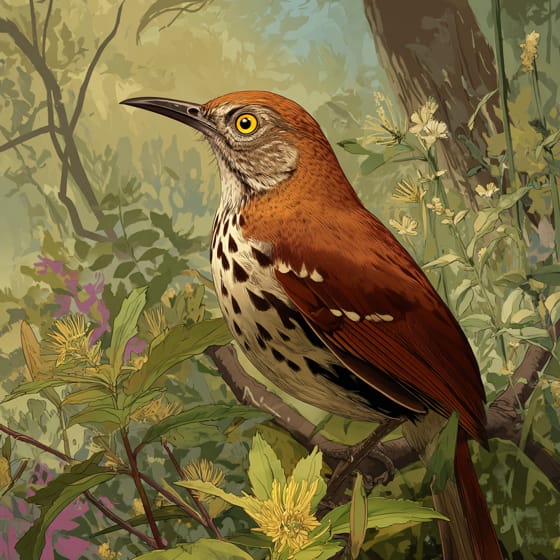
Toxostoma rufum
A common ground-feeding bird that preys on beetles.
Calosoma scrutator
Larger ground beetles can prey on tiger beetle larvae.
Solitary animals live alone for most of their lives, only interacting with others for mating or parental care.
Camouflaged describes organisms that possess coloring or patterns that allow them to blend into their environment.
Colorful describes organisms or objects displaying a wide range of bright and distinct colors.
This trait identifies organisms whose diet primarily consists of insects and other small invertebrates.

This trait identifies organisms whose diet consists entirely or primarily of animal tissue.

Diurnal animals are primarily active during daylight hours, typically resting or sleeping at night.

This trait identifies organisms that exhibit exceptional swiftness in movement for hunting, escape, or travel.
No aliases listed yet.
Danger
1/5 · Very low
Be gentle and watch from a distance; they are small and can be easily scared.
The easiest way to identify Festive Tiger Beetle is to use the Snappit nature identifier app.
18-28 mm
9-14 mm
30-90 days
24 km/h
Both adult and larval Festive Tiger Beetles are fierce predators of small insects and other invertebrates.
Sandy areas
Pursuit
Zoom in to split clusters and explore where this object has been snapped.

Indiana, US
You might spot Common Reed, Rosepink, and Bearberry.
View guide →

Michigan, US
You might spot Bladder Campion, Bearberry, and Common Milkweed.
View guide →

New Hampshire, US
You might spot Monarch, Eastern White Pine, and Pink Lady's Slipper.
View guide →

Arkansas, US
You might spot Bronzed Tiger Beetle, Green Treefrog, and American Kestrel.
View guide →

New Hampshire, US
You might spot White-Tailed Deer and Eastern White Pine.
View guide →

North Carolina, US
You might spot Spiny Spikemoss, Carolina Wicky, and Longleaf Pine.
View guide →
Take the discovery with you
Snap it with Snappit to identify it, learn what makes it special, and add the discovery to your collection.








.jpg&width=800)



