.jpg&width=800)





Fir Tussock Moth
Orgyia detrita
The Fir Tussock Moth is a fuzzy little insect that loves to munch on fir trees. Its soft, hairy body helps it blend in with its surroundings, making it hard to spot!
Habitat: Forests
The Fir Tussock Moth male is brownish-gray with distinctive feathery antennae and faint darker markings on its forewings. The female is strikingly different; she is wingless, plump, and has a pale grayish-yellow body covered in short hairs.
Category
InsectsRarity
Common
Danger
2/5 · Low
Snaps
9
Caterpillars love to munch on needles from fir, spruce, and pine trees to grow!
Male moths fly, but female moths are wingless and stay near their cocoons!
Their cocoons are often camouflaged with the caterpillar's own spiky, irritating hairs.
Touching this caterpillar's fuzzy hairs can cause an itchy rash on your skin!
Fir Tussock Moth larvae have fuzzy hairs that can irritate skin, protecting them from hungry birds.
Fir Tussock Moth males have large feathery antennae that help them sniff out a female's scent from far away.
Fir Tussock Moth larvae spin cocoons blended with their own spiky hairs, helping them hide from predators.
The female Fir Tussock Moth has no wings, so she crawls to find a mate, laying eggs nearby.
Young Fir Tussock Moths are herbivores, munching on tree needles to grow big and strong.
Age differences: Adult moths do not feed, focusing solely on reproduction. Larvae (caterpillars) are the primary feeders.
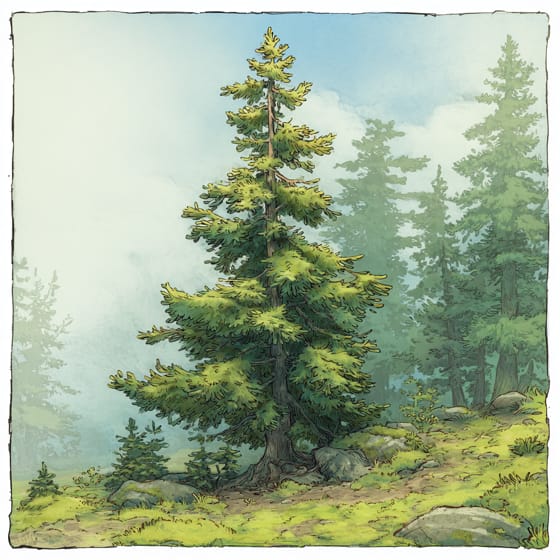
Abies balsamea
Caterpillars feed on its needles, sometimes causing significant defoliation.
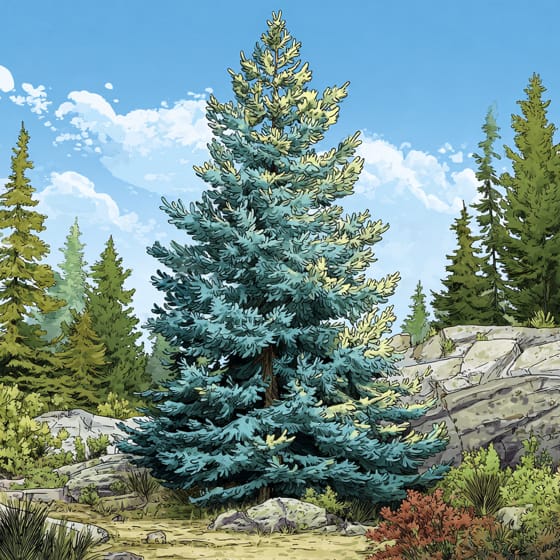
Picea glauca
A primary food source for the caterpillar stage of the moth.
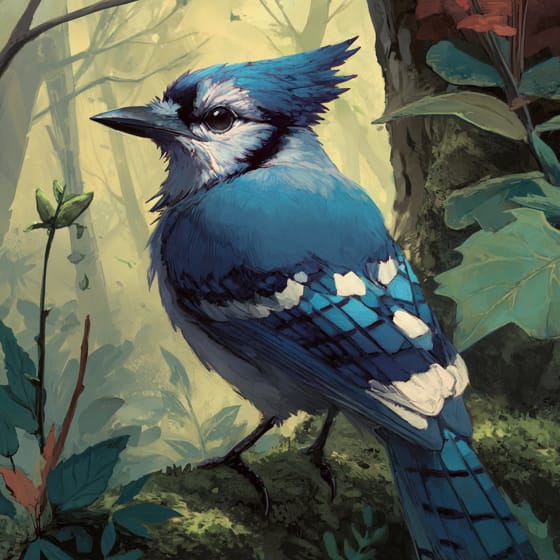
Cyanocitta cristata
Birds, including jays, are known predators of the larvae and pupae.
Brachymeria intermedia
This wasp lays eggs inside tussock moth pupae, killing the host.
Furry describes animals possessing a dense covering of soft hair or fur.
Solitary animals live alone for most of their lives, only interacting with others for mating or parental care.
Camouflaged describes organisms that possess coloring or patterns that allow them to blend into their environment.
This trait characterizes organisms whose diet consists entirely or primarily of plant material.

Forest habitats are terrestrial environments dominated by dense tree cover, supporting a high diversity of plant and animal life.

Nocturnal animals are primarily active during the nighttime hours, typically resting or sleeping during the day.
No aliases listed yet.
Danger
2/5 · Low
Don't touch moths or caterpillars without asking an adult, as some can be prickly or have chemicals that irritate the skin.
The easiest way to identify Fir Tussock Moth is to use the Snappit nature identifier app.
25-30 mm
10-20 mm
7-10 days
Young Fir Tussock Moths are herbivores, munching on tree needles to grow big and strong.
Forests
Foraging
6
Zoom in to split clusters and explore where this object has been snapped.

Georgia, US
You might spot Baldcypress, Anole, and American Alligator.
View guide →

Georgia, US
You might spot Anole, Pond Slider, and Spanish Moss.
View guide →
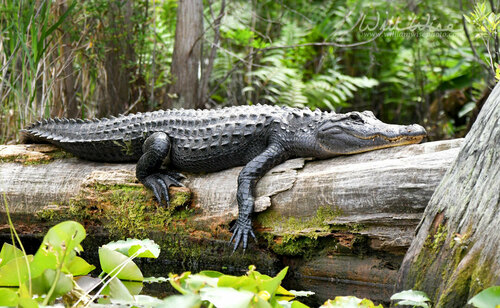
Florida, US
You might spot American Alligator, Common Gallinule, and Brown Anole.
View guide →

Georgia, US
You might spot Spanish Moss, Anole, and Wood Stork.
View guide →

Georgia, US
You might spot Roseate Spoonbill and American Alligator.
View guide →

Florida, US
You might spot Brown Anole, Green Treefrog, and Southern Toad.
View guide →
Take the discovery with you
Snap it with Snappit to identify it, learn what makes it special, and add the discovery to your collection.







.jpg&width=800)



