.JPG&width=800)





Flies
Diptera
Flies are tiny insects that buzz around and can be found almost everywhere! They have big eyes and can fly really fast, making them fun to watch.
Habitat: Flies can be found in many places including gardens, forests, and near water sources.
The Flies has a diverse appearance, typically featuring a head with large compound eyes, a segmented body, and a single pair of functional wings. They often have delicate, sometimes iridescent, or hairy bodies, and six jointed legs. Their unique two wings (plus two tiny balancing organs) makes them visually distinct from most other insects.
Category
InsectsRarity
Common
Danger
1/5 · Very low
Snaps
Be the first to snap!
Even though they have excellent eyesight, flies can't see the color red very well!
Flies use their special, tiny club-shaped organs, called halteres, for balancing during flight!
Some flies, like hoverflies, cleverly mimic bees or wasps to scare predators!
The tiny larvae of many flies, called maggots, are super decomposers, cleaning up nature!
Flies can perform incredible aerial maneuvers because of their powerful flight muscles and unique balancing organs called halteres.
Flies has large compound eyes that help them see almost 360 degrees around, making it very hard to sneak up on them.
Flies can walk on walls and ceilings because of tiny hairs and special pads on their feet that create suction and grip.
Flies can taste their food by walking on it because they have taste receptors on their feet, much like our tongues.
Flies have incredibly varied diets, from nectar to decaying matter to blood!
Age differences: Larvae often eat decaying matter or plant roots, while adults feed on nectar or blood.
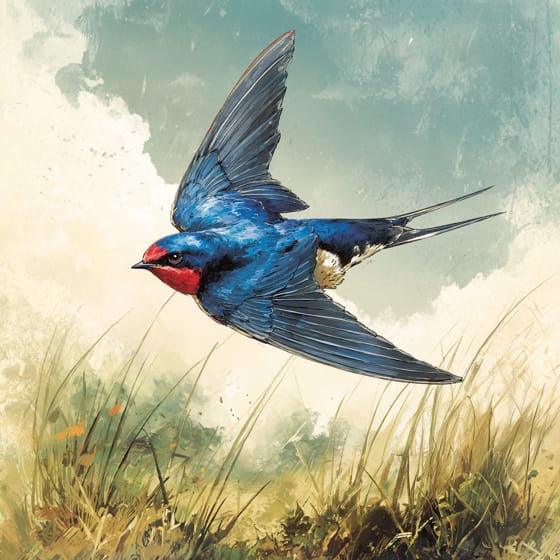
Hirundo rustica
Swallows are agile insect hunters.
Aranaeus diadematus
Spiders often trap flies in webs.
.jpg&width=800)
Aster novae-angliae
Many fly species visit flowers for nectar.
Social animals live in organized groups, cooperating for survival benefits such as foraging, defense, and raising offspring.
Colorful describes organisms or objects displaying a wide range of bright and distinct colors.
Describes organisms that break down dead organic material, recycling nutrients back into the ecosystem.
Diurnal animals are primarily active during daylight hours, typically resting or sleeping at night.

Describes organisms that transfer pollen, enabling the fertilization and reproduction of plants.
Danger
1/5 · Very low
No special safety notes yet.
The easiest way to identify Flies is to use the Snappit nature identifier app.
1-150 mm
0.5-100 mm
7-90 days
8 km/h
Flies have incredibly varied diets, from nectar to decaying matter to blood!
Flies can be found in many places including gardens, forests, and near water sources.
Foraging
Zoom in to split clusters and explore where this object has been snapped.
Recent snaps will appear here as new observations are added.

New York, US
You might spot Sand Tiger Shark, African Penguin, and Sea Lion.
View guide →

New Mexico, US
You might spot Olive Tree, Saguaro Cactus, and Sheep.
View guide →

California, US
You might spot African Penguin, Coral, and Flies.
View guide →

Missouri, US
You might spot Blue Morpho Butterfly, Ruby, and Birdwing Butterfly.
View guide →
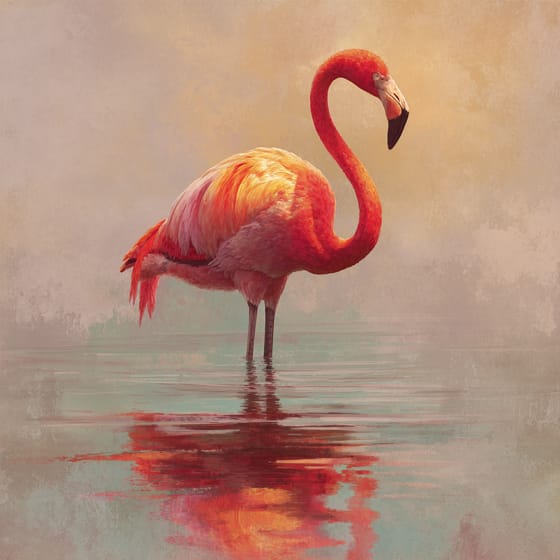
Florida, US
You might spot American Flamingo and Owl Butterfly.
View guide →
California, US
You might spot African Penguin, Coral, and Flies.
View guide →
Take the discovery with you
Snap it with Snappit to identify it, learn what makes it special, and add the discovery to your collection.








.jpg&width=800)



