





Coral

The California Academy of Sciences uniquely combines an aquarium, planetarium, rainforest, and natural history museum.
The California Academy of Sciences uniquely combines an aquarium, planetarium, rainforest, and natural history museum. This extraordinary institution, nestled in San Francisco's Golden Gate Park, is the only place on Earth where visitors can explore these diverse scientific realms under one breathtaking, eco-friendly living roof. Beyond its public exhibits, the Academy is a respected research institute and one of the largest natural history museums in the world, housing over 46 million specimens and committed to regenerating the natural world through science, learning, and collaboration.
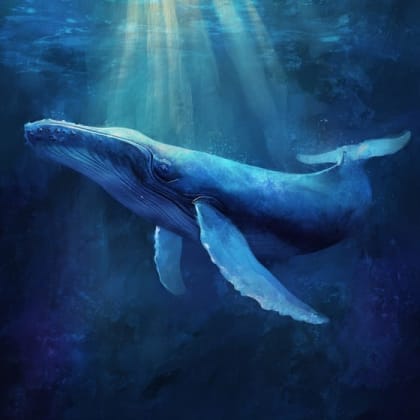
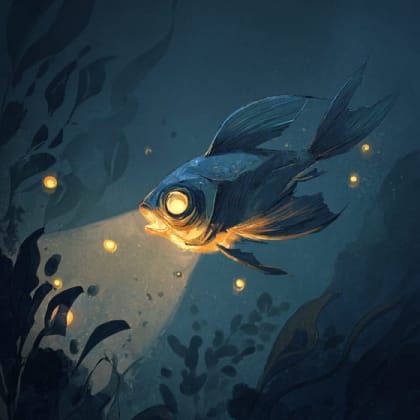
Step into the vibrant Steinhart Aquarium, home to nearly 60,000 live animals representing over 800 unique species, including a charming colony of endangered African penguins, the dazzling Philippine Coral Reef, and fascinating creatures like flashlight fish and coconut octopuses. Journey through the four-story Osher Rainforest, a lush glass dome teeming with over 1,600 plants and animals, where free-flying birds and colorful butterflies flutter amidst the canopy, and Amazonian fish swim below. Then, zoom through the cosmos in the immersive 75-foot Morrison Planetarium, or marvel at the colossal T. rex fossil and 87-foot blue whale skeleton in the Kimball Natural History Museum. Don't forget to ascend to the 2.5-acre Living Roof, an oasis of native plants that provides habitat for local wildlife and offers panoramic views of Golden Gate Park.
A visit to the California Academy of Sciences promises life-changing experiences that connect you with world-changing science, offering a profound appreciation for biodiversity and our planet. From the dramatic Shake House, simulating California's historic earthquakes, to interactive exhibits and live animal encounters, the Academy provides engaging opportunities for explorers of all ages. Its dedication to scientific discovery, education, and conservation makes it an unforgettable destination that inspires curiosity and promotes a deeper understanding of the natural world. Turn your visit into a safari! Use the Snappit app to scan and log wildlife sightings here.
The California Academy of Sciences began in 1853 as the California Academy of Natural Sciences, marking it as the first scientific academy west of the Atlantic seaboard. After its initial museum opened in San Francisco in 1874, it was largely devastated by the 1906 San Francisco earthquake and subsequent fires, which destroyed most of its collections. Resiliently, the Academy found a new home in Golden Gate Park in 1916. Key additions followed, including the renowned Steinhart Aquarium in 1923, the Simson African Hall in 1934, and the Morrison Planetarium in 1952. Following significant damage from the 1989 Loma Prieta earthquake, the Academy underwent a complete overhaul and was rebuilt, reopening in a stunning new facility in 2008.
Wander through the **Steinhart Aquarium** to observe diverse marine life and the popular African penguin colony.
* Ascend through the levels of the **Osher Rainforest** dome, keeping an eye out for chameleons, exotic birds, and butterflies.
* Catch a show at the **Morrison Planetarium** (grab passes upon arrival as they are first-come, first-served).
* Experience the **Shake House** for a simulated earthquake.
* Explore the **Kimball Natural History Museum**, including the dioramas in **African Hall** and the fascinating Foucault pendulum.
* Walk along the **Living Roof** for unique views and to appreciate its ecological design.
* Check the daily calendar for live presentations, such as penguin feedings and coral reef dives.
The "Vivid: Immerse Your Senses" exhibit is currently open through September. Springtime brings California wildflowers into bloom on the Living Roof.
The Academy is fully wheelchair accessible, accommodating both manual and electric wheelchairs. Manual wheelchairs are available to borrow free of charge in the lobby (first-come, first-served). Elevators provide access to all levels, including the rainforest dome and the Living Roof. Accessible restrooms are located on every floor. The Morrison Planetarium offers designated spaces for mobility scooters and wheelchairs. Service animals are also permitted.
Immerse Your Senses" exhibit (check for seasonal availability).
Each card links to a full Explore page with photos, traits, and fun facts.
Start with the big picture, then zoom in to explore individual wildlife observations around this place.
Purchase tickets online in advance
This is highly recommended, especially for weekends and holidays, to save time by skipping ticket lines and potentially securing better rates.
Reserve Planetarium passes early
Upon arrival, make a beeline to reserve your passes for planetarium shows as they are first-come, first-served and can fill up quickly. Note that children under 4 are not permitted in shows.
Consider public transportation
The Academy is well-served by Muni, and taking public transit can save you $3 on daytime admission while avoiding parking challenges in Golden Gate Park.
Dress in layers
The Osher Rainforest is kept warm and humid to replicate its natural environment, so wearing layers will allow you to adjust comfortably as you move between different exhibits.
Check the daily schedule
Look up the Academy's daily calendar for animal feeding times, special demonstrations, and other unique programs to enhance your visit. Penguin feedings and Coral Reef Dives are popular events.
Explore kid-friendly areas
If visiting with children, seek out interactive spaces like the Children's Eel Garden, Curiosity Grove, or the outdoor East Garden for dedicated play and exploration.
May 8, 2026
Photo attribution
no rights reserved
License: CC0 1.0 ↗
Image may be shown cropped inside the card frame.
May 25, 2026
May 23, 2026
May 23, 2026
May 19, 2026

Ohio, US
You might spot Sand Tiger Shark, Nurse Shark, and Cow.
View guide →

California, US
You might spot Orca, Bottlenose Dolphin, and Beluga Whale.
View guide →

Illinois, US
You might spot Beluga Whale, Pacific White-Sided Dolphin, and Sea Otter.
View guide →

Texas, US
You might spot Brown-Throated Three-Toed Sloth, Ant, and Penguin.
View guide →
Take the discovery with you
Identify the wildlife you spot, learn as you go, and keep a collection of the adventure.



















.jpg&width=800)



