





Florida Carpenter Ant
Camponotus floridanus
The Florida Carpenter Ant is a big, black ant that loves to build its home in wood. They work together in groups to find food and keep their nest safe. Watch out for them in your backyard!
Habitat: Forests
The Florida Carpenter Ant is a relatively large ant, easily recognized by its reddish-brown head and thorax contrasting with a darker, often black, abdomen. It has a distinctive single, upright node between its thorax and abdomen, and appears robust and somewhat hairy.
Category
InsectsRarity
Common
Danger
2/5 · Low
Snaps
8
Queens can live for an astonishing 20 years, making them super long-lived insects!
Some ants "farm" tiny insects called aphids to collect their sugary liquid, honeydew.
These ants are mostly active at night, searching for food while others sleep!
They don't eat the wood they tunnel through; they just make homes inside it!
Florida Carpenter Ant can carve extensive tunnels in wood that helps them create safe, large nests for their colony.
Florida Carpenter Ant can lay invisible chemical trails that helps them guide nestmates to food sources and new homes.
Florida Carpenter Ant can spray irritating formic acid that helps them deter predators and defend their territory.
Florida Carpenter Ant has a special crop to store liquid food that helps them share meals with their entire colony.
They are omnivores, eating sweet liquids like nectar and honeydew, as well as dead insects.
Aphis gossypii
They tend these aphids for their sugary honeydew, a valuable food source.
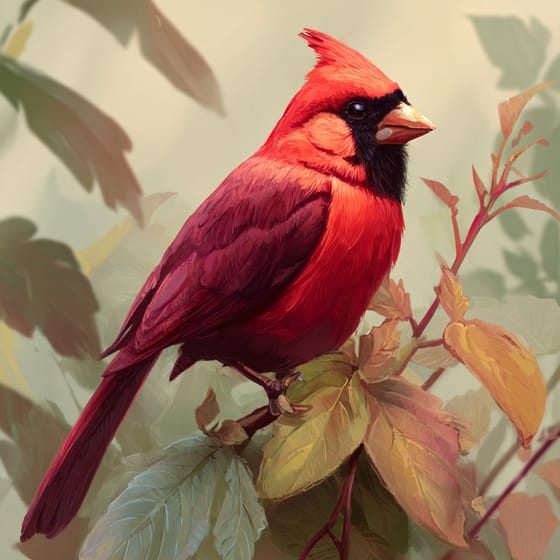
Cardinalis cardinalis
Young alates flying during mating season can be snatched by birds.

Homo sapiens
They often build nests inside human homes, seeking shelter and food.
Furry describes animals possessing a dense covering of soft hair or fur.
Social animals live in organized groups, cooperating for survival benefits such as foraging, defense, and raising offspring.
This trait identifies organisms whose diet includes both plant and animal matter.
Describes organisms that break down dead organic material, recycling nutrients back into the ecosystem.

Forest habitats are terrestrial environments dominated by dense tree cover, supporting a high diversity of plant and animal life.

Diurnal animals are primarily active during daylight hours, typically resting or sleeping at night.

Describes a species whose presence and role have a disproportionately large effect on its environment.
No aliases listed yet.
Danger
2/5 · Low
Don't touch ants, as they can bite if they feel scared.
The easiest way to identify Florida Carpenter Ant is to use the Snappit nature identifier app.
20-40 mm
6-20 mm
365-7300 days
They are omnivores, eating sweet liquids like nectar and honeydew, as well as dead insects.
Forests
Foraging
6
Zoom in to split clusters and explore where this object has been snapped.

Florida, US
You might spot Atala, Monarch, and Brown Anole.
View guide →

Florida, US
You might spot Crested Anole, Brown Anole, and Peters's Rock Agama.
View guide →

US
You might spot Laughing Gull, Brown Anole, and Green Iguana.
View guide →

Florida, US
You might spot Brown Anole, Great Egret, and Snowy Egret.
View guide →

Florida, US
You might spot Brown Anole and Northern Curly-Tailed Lizard.
View guide →

Florida, US
You might spot Great Blue Skimmer, Blue Dasher, and Queen.
View guide →
Take the discovery with you
Snap it with Snappit to identify it, learn what makes it special, and add the discovery to your collection.







.jpg&width=800)


