





Flowering Currant
Ribes sanguineum Pursh
Flowering Currant is a beautiful plant with pink or red flowers that smell sweet. It attracts hummingbirds and butterflies!
Habitat: Woodlands and gardens
The Flowering Currant is a deciduous shrub that bursts with vibrant pink to deep red bell-shaped flowers in drooping clusters during early spring. Its lobed green leaves provide a lush backdrop to the showy blooms, making it stand out visually from other early-season shrubs.
Category
PlantsRarity
Rare
Danger
1/5 · Very low
Snaps
1
It's a cousin to gooseberries, even though it grows without their prickly thorns!
Its tart purple berries are edible, though often used for jams and jellies, not eaten fresh!
Native Americans traditionally used parts of this plant for food and even for dyes.
The 'sanguineum' in its name means 'blood-red,' referring to the vibrant flower color!
Flowering Currant has bright red, tubular flowers packed with nectar that act like a beacon, drawing in hummingbirds for pollination.
This plant blooms very early in the year, offering a vital food source for insects and birds when other flowers are still dormant.
Its deep root system helps Flowering Currant survive drier periods, drawing essential moisture from deeper soil layers.
.jpg&width=800)
Selasphorus rufus
feasts on abundant early spring nectar
Apis mellifera
collects vital pollen and nectar
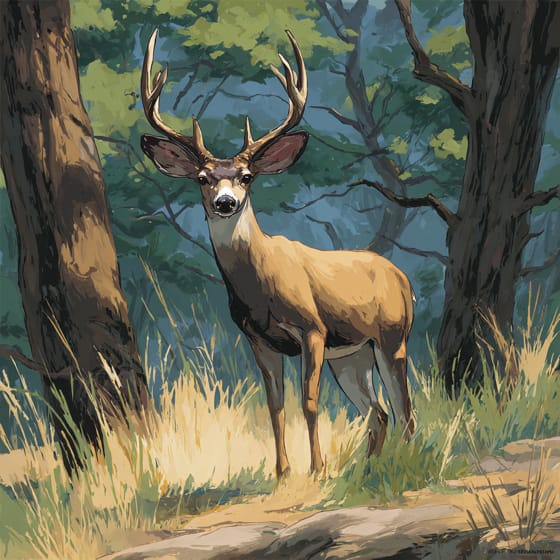
Odocoileus hemionus
browses on its leaves and twigs
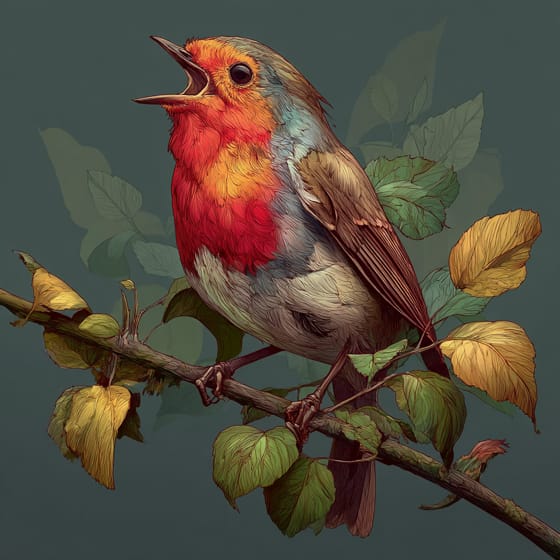
Turdus migratorius
disperses seeds by consuming berries
Deciduous plants periodically shed all their leaves, typically during autumn or dry seasons.
A shrub is a woody plant smaller than a tree, typically with multiple stems branching from or near the ground.
Spring blooming plants produce their flowers during the spring season, often signifying the end of winter and the start of new growth.
Fragrant flowers emit a pleasant aroma, often to attract pollinators or for defense.

Forest habitats are terrestrial environments dominated by dense tree cover, supporting a high diversity of plant and animal life.

Describes organisms that transfer pollen, enabling the fertilization and reproduction of plants.
Danger
1/5 · Very low
Explore with care and ask an adult if you’re unsure what to do.
The easiest way to identify Flowering Currant is to use the Snappit nature identifier app.
150-300 cm
150-250 cm
0.5-1 cm
Early spring
Yes
None
Perennial
Zoom in to split clusters and explore where this object has been snapped.

Washington, US
You might spot Pacific Tree Frog and Long-Toed Salamander.
View guide →

Washington, US
You might spot Great Blue Heron, Aggregating Anemone, and Ochre Sea Star.
View guide →

Washington, US
You might spot Bigleaf Maple, Mule Deer, and Oregon Grape.
View guide →

Oregon, US
You might spot Rough-Skinned Newt and Northern Red-Legged Frog.
View guide →
Take the discovery with you
Snap it with Snappit to identify it, learn what makes it special, and add the discovery to your collection.








.jpg&width=800)


_001.jpg&width=800)




