





Galápagos tortoise
Galápagos tortoise
The Galápagos tortoise is a giant turtle that can live for over 100 years! They are slow movers and love to munch on grass and leaves in their warm island home.
Habitat: Coastal areas
The Galápagos tortoise is massive, with a dark brown to black leathery skin and a high, domed or saddle-backed shell. Its shell shape varies between islands, with saddle-backed tortoises having longer necks to reach higher vegetation. They possess thick, pillar-like legs.
Category
ReptilesRarity
Rare
Danger
1/5 · Very low
Snaps
Be the first to snap!
Some Galápagos tortoises are so big you could sit on their back! Wow!
Their ancient ancestors floated to the islands on ocean currents! Wow!
They can go a whole year without food or water! Wow!
Tortoise shells have growth rings, just like a tree does! Wow!
Galápagos tortoises can store large amounts of water in their bladder, which helps them survive long dry periods.
Galápagos tortoises have a very slow metabolism, allowing them to live for over a century and go long without food.
Galápagos tortoises have an incredibly thick, bony shell that helps protect them from most predators.
Saddle-backed tortoises can extend their long necks very high because of their shell shape, helping them eat tall plants.
These gentle giants munch on plants, fruits, and cacti to stay healthy and hydrated.
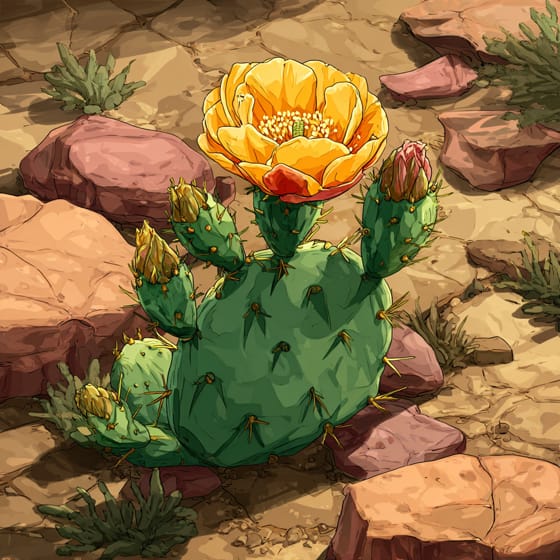
Opuntia echios
Primary food and water source
Bursera graveolens
Eats fallen leaves and fruits
Buteo galapagoensis
Preys on eggs and hatchlings

Rattus rattus
Invasive species, eats eggs
Solitary animals live alone for most of their lives, only interacting with others for mating or parental care.
This trait characterizes organisms whose diet consists entirely or primarily of plant material.
This trait characterizes organisms with an exceptionally long lifespan compared to others of their kind.
Coastal habitats are dynamic environments located along the interface between land and sea, influenced by tides, waves, and saltwater.

Armored describes animals protected by a hard, external covering or shell for defense.

Diurnal animals are primarily active during daylight hours, typically resting or sleeping at night.

Giant describes organisms or objects of significantly larger size than average for their species or type.

Endangered status indicates a species is at a very high risk of extinction in the wild in the near future.
No aliases listed yet.
Danger
1/5 · Very low
Always watch from a distance and never try to touch or feed wild tortoises.
The easiest way to identify Galápagos tortoise is to use the Snappit nature identifier app.
60-150 cm
90-400 kg
100-170 years
0.3 km/h
These gentle giants munch on plants, fruits, and cacti to stay healthy and hydrated.
Coastal areas
Foraging
Zoom in to split clusters and explore where this object has been snapped.
Recent snaps will appear here as new observations are added.
Ohio, US
You might spot African Lion, Tiger, and Snow Leopard.
View guide →
Texas, US
You might spot African Lion, Tiger, and Black Bear.
View guide →
Texas, US
You might spot Sea Lion, Humboldt Penguin, and Galápagos Tortoise.
View guide →

California, US
You might spot African Penguin, Coral, and Flies.
View guide →
Take the discovery with you
Snap it with Snappit to identify it, learn what makes it special, and add the discovery to your collection.
















