





gallberry
Ilex glabra
Gallberry is a lovely shrub that grows in wetlands and is known for its shiny green leaves. It produces small black berries that birds love to eat!
Habitat: Wetlands
The gallberry is an evergreen shrub with glossy, dark green leaves that are typically oval-shaped with a few teeth near the tip. Its small, inconspicuous white flowers develop into abundant, pea-sized black berries that persist through winter, making it visually distinct.
Category
PlantsRarity
Common
Danger
2/5 · Low
Snaps
6
Gallberry is a type of holly, but without any prickly spines!
Its beautiful berries transform from green to shiny, dark black.
Many small native bees and butterflies love its tiny white flowers.
Native Americans once brewed a tea from gallberry leaves!
Gallberry has tough, waxy leaves that stay green all year, helping it keep making food even in cold winter months.
Gallberry can grow in soggy, acidic soils where many other plants struggle, thanks to its specialized root system.
Gallberry's berries stay on the plant through winter, providing a vital food source for birds when other foods are scarce.

Turdus migratorius
Feasts on its persistent black berries in winter.
Apis mellifera
Visits small white flowers for nectar and pollen.

Odocoileus virginianus
Browses on its leaves and twigs, especially young growth.
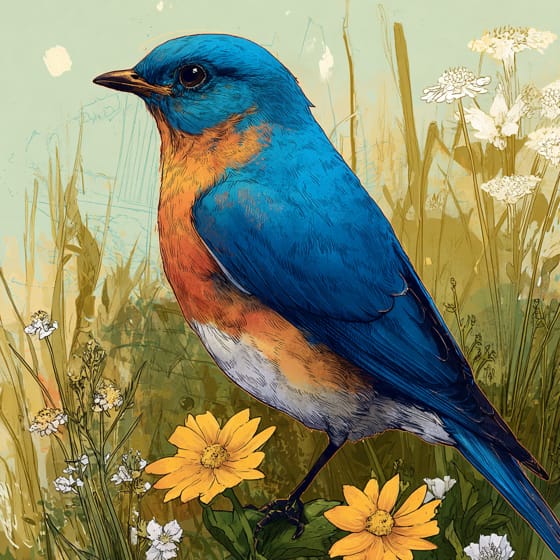
Sialia sialis
Relies on its berries as a crucial winter food source.
Ornamental plants are cultivated primarily for their aesthetic appeal, enhancing landscapes and gardens with their attractive foliage, flowers, or form.
A shrub is a woody plant smaller than a tree, typically with multiple stems branching from or near the ground.
Evergreen plants retain their foliage throughout the year, never shedding all their leaves at once.
Fruit-bearing plants produce fruits, which are the mature ovaries of flowering plants containing seeds.

Edible plants are those parts of a plant that are considered safe for human consumption.

Describes plants that are particularly attractive and beneficial to a wide range of pollinating organisms.

This habitat trait identifies species found in wetlands, which are areas of land saturated with water, either permanently or seasonally, including marshes, swamps, and bogs.
No aliases listed yet.
Danger
2/5 · Low
Always look but don't touch the berries, as they can be hard to digest.
The easiest way to identify gallberry is to use the Snappit nature identifier app.
100-300 cm
100-200 cm
0.5-1 cm
Spring-Summer
No
None
Perennial
Zoom in to split clusters and explore where this object has been snapped.

New York, US
You might spot Coral, Sea Lion, and African Penguin.
View guide →
New York, US
You might spot Sand Tiger Shark, African Penguin, and Sea Lion.
View guide →

New Jersey, US
You might spot Purple Pitcher Plant and Pine Barren Gentian.
View guide →

Alabama, US
You might spot Eastern Lubber Grasshopper, Christmas Lichen, and Anole.
View guide →

Florida, US
You might spot Coastalplain Chaffhead, Slimleaf Pawpaw, and Woolly Pawpaw.
View guide →

Massachusetts, US
You might spot White-Tailed Deer, Skunk, and Eastern Cottontail.
View guide →
Take the discovery with you
Snap it with Snappit to identify it, learn what makes it special, and add the discovery to your collection.









.jpg&width=800)



_001.jpg&width=800)


