





pinewoods geranium
Geranium caespitosum
Pinewoods geranium is a pretty flower that grows in forests. It has bright pink petals and loves to bloom in the spring, making the woods look cheerful and colorful.
Habitat: Forests
The pinewoods geranium has striking five-petaled flowers, typically vibrant pink to purplish-magenta, often with darker veins. Its deeply lobed, palmate green leaves form a bushy clump. The plant stands out with its bright blooms against the forest floor.
Category
PlantsRarity
Common
Danger
1/5 · Very low
Snaps
4
Its unique seed pods spring open like catapults to launch seeds far away!
Look closely! Its vibrant purple flowers often have tiny darker lines that guide bees to nectar.
The common name 'cranesbill' comes from its long, beak-like seed capsules!
This tough plant can grow in rocky mountain soil where many others cannot survive.
Pinewoods geranium can forcefully eject its seeds from a special pod, flinging them away to colonize new areas.
Its sturdy root system helps pinewoods geranium cling to rocky slopes and thrive in dry, open habitats.
Pinewoods geranium can adapt to grow and bloom even in the dappled sunlight found beneath tall pine trees.
Apis mellifera
Visits its flowers for nectar and pollen.
Bombus bifarius
An important native pollinator in its mountain habitat.
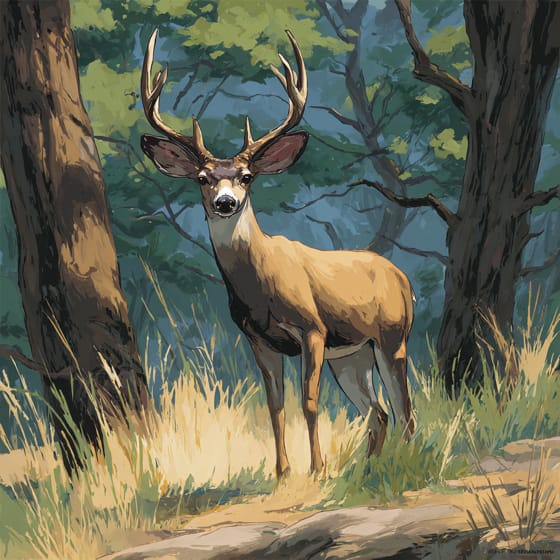
Odocoileus hemionus
Deer occasionally browse on its leaves and stems.
Celastrina ladon
Small blue butterflies feed on its nectar.
Flowering plants are any plants that produce flowers as part of their reproductive cycle.
Shade tolerant plants are adapted to grow and thrive in areas with low light levels, requiring less direct sunlight.
Spring blooming plants produce their flowers during the spring season, often signifying the end of winter and the start of new growth.
Colorful describes organisms or objects displaying a wide range of bright and distinct colors.

Fall color refers to the seasonal change in foliage pigmentation, primarily in deciduous plants, displaying vibrant hues.

Describes plants that are particularly attractive and beneficial to a wide range of pollinating organisms.

Forest habitats are terrestrial environments dominated by dense tree cover, supporting a high diversity of plant and animal life.
No aliases listed yet.
Danger
1/5 · Very low
Always look but don't touch flowers unless a grown-up says it's okay.
The easiest way to identify pinewoods geranium is to use the Snappit nature identifier app.
30-60 cm
30-45 cm
2-3 cm
Late spring to summer
No
None
Perennial
Zoom in to split clusters and explore where this object has been snapped.

Colorado, US
You might spot Great Basin Bristlecone Pine and Mule Deer.
View guide →

Colorado, US
You might spot Great Basin Bristlecone Pine and Mule Deer.
View guide →

Colorado, US
You might spot Front Range Beardtongue and Mountain Ball Cactus.
View guide →

Arizona, US
You might spot Dark-Eyed Junco and Plateau Fence Lizard.
View guide →

Arizona, US
You might spot Southwestern Ponderosa Pine and Plateau Fence Lizard.
View guide →
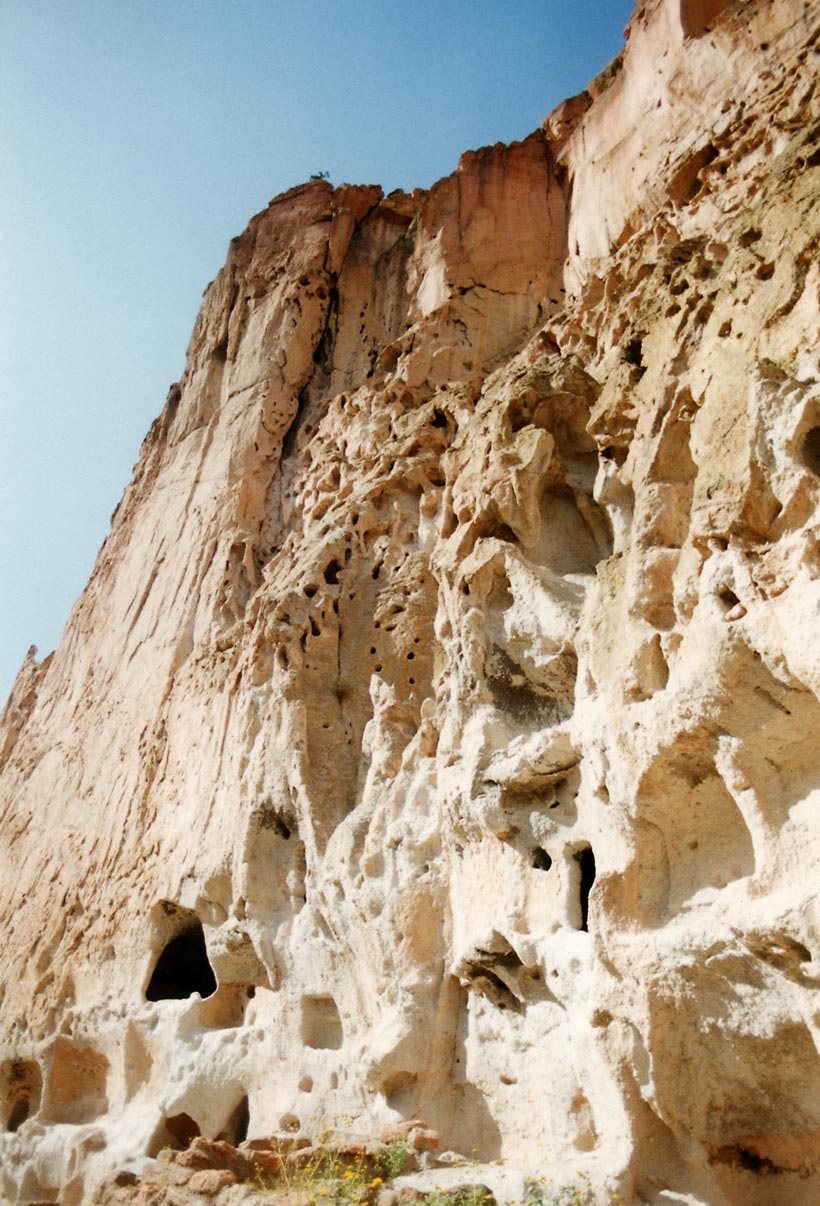
New Mexico, US
You might spot Tree Cholla, Mule Deer, and Sacred Datura.
View guide →
Take the discovery with you
Snap it with Snappit to identify it, learn what makes it special, and add the discovery to your collection.







.jpg&width=800)



_001.jpg&width=800)



