.jpg&width=800)





Garden Tortrix
Clepsis peritana
The Garden Tortrix is a small caterpillar that loves to munch on garden plants. It can turn into a beautiful moth, fluttering around at night and helping the garden grow.
Habitat: Urban areas
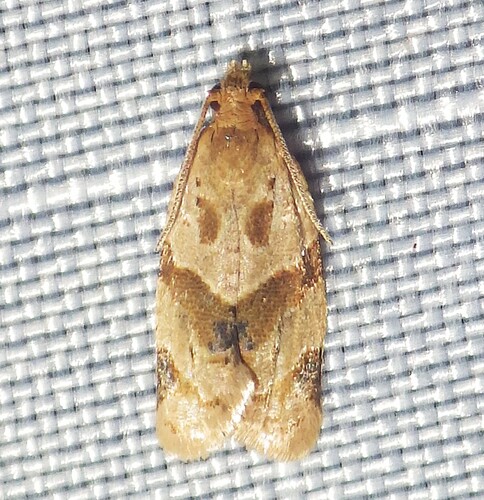
The Garden Tortrix is a small moth, typically yellowish-ochre to brownish, with darker, often rusty, diagonal bands or blotches on its forewings. When at rest, its wings fold in a bell-shape, making it look triangular. It has delicate fringes along its wing edges.
Category
InsectsRarity
Common
Danger
1/5 · Very low
Snaps
3
Caterpillars are often called 'leafrollers' because they literally roll up leaves with silk!
Female moths release a special scent into the air to attract a mate from far away!
Some Garden Tortrix caterpillars can wriggle backwards surprisingly fast if startled by a predator!
These tiny moths have special wing scales that create beautiful, intricate patterns!
Garden Tortrix caterpillars can roll leaves into protective shelters using silk that helps them create a safe home from predators and weather.
Garden Tortrix caterpillars can quickly drop from danger using a silk thread that helps them parachute to safety from predators.
Garden Tortrix moths have mottled wing patterns that help them blend perfectly with bark and leaves, making them hard to spot.
Caterpillars munch on many plants, while adult moths mostly sip sweet nectar.
Age differences: Young caterpillars eat plant tissues, but adult moths primarily feed on liquids like nectar.
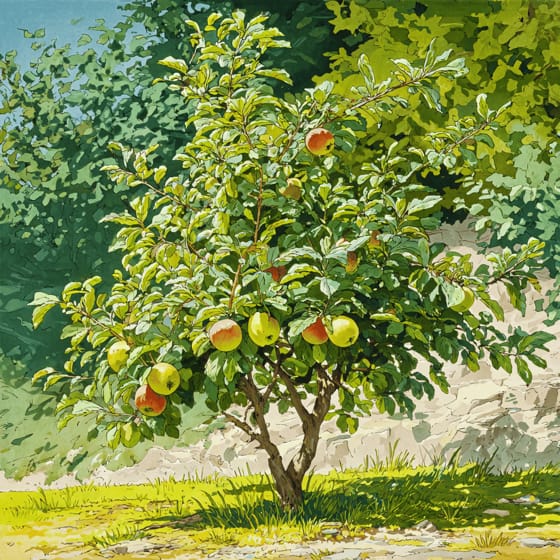
Malus domestica
larvae feed on its leaves and fruits
Rosa canina
caterpillars can damage rose bushes
%2C_Parc_de_Woluw%C3%A9%2C_Brussels_(13042792905).jpg&width=800)
Parus major
birds often prey on caterpillars and moths
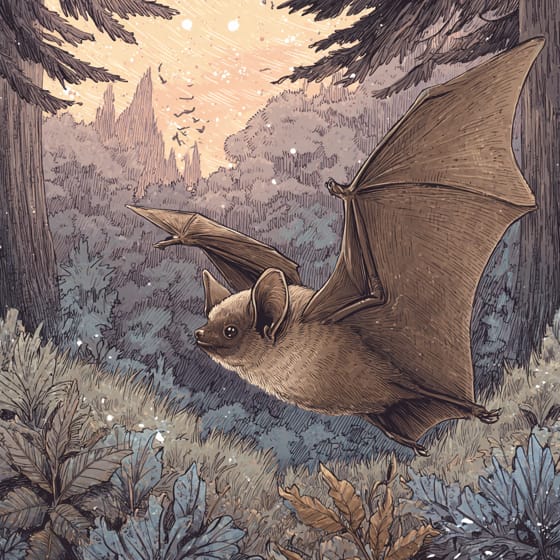
Myotis lucifugus
bats hunt adult moths at night
Solitary animals live alone for most of their lives, only interacting with others for mating or parental care.
Camouflaged describes organisms that possess coloring or patterns that allow them to blend into their environment.
Colorful describes organisms or objects displaying a wide range of bright and distinct colors.
This trait characterizes organisms whose diet consists entirely or primarily of plant material.

Describes plants that are particularly attractive and beneficial to a wide range of pollinating organisms.

Pertaining to species that are significantly smaller than typical or average for their kind.

This habitat trait indicates species that can coexist with humans in urban and suburban environments, utilizing man-made structures and green spaces.

Nocturnal animals are primarily active during the nighttime hours, typically resting or sleeping during the day.

Describes organisms that transfer pollen, enabling the fertilization and reproduction of plants.
No aliases listed yet.
Danger
1/5 · Very low
Always wash your hands after touching plants or insects.
The easiest way to identify Garden Tortrix is to use the Snappit nature identifier app.
12-20 mm
8-12 mm
10-20 days
Caterpillars munch on many plants, while adult moths mostly sip sweet nectar.
Urban areas
Foraging
6
Zoom in to split clusters and explore where this object has been snapped.
.jpg&width=800)
Michigan, US
You might spot Reticulated Giraffe, Red Panda, and Snow Leopard.
View guide →

Alabama, US
You might spot Dwarf Palmetto and Sensitive Fern.
View guide →

North Carolina, US
You might spot Anole, Common Eastern Bumble Bee, and Asian Lady Beetle.
View guide →
Take the discovery with you
Snap it with Snappit to identify it, learn what makes it special, and add the discovery to your collection.








.jpg&width=800)



