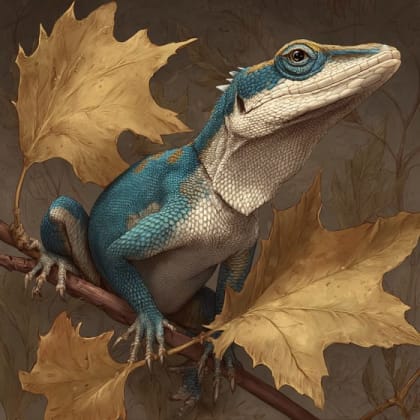





Anole

Elizabeth is a charming historic neighborhood in Charlotte, North Carolina, boasting a rich past and vibrant present.
Elizabeth is a charming historic neighborhood in Charlotte, North Carolina, boasting a rich past and vibrant present. As one of the city's oldest streetcar suburbs, it offers a delightful blend of tree-lined streets, architecturally significant homes, and welcoming green spaces. Visitors are drawn to Elizabeth for its unique character, walkable avenues, and proximity to cultural attractions, making it a perfect destination for those seeking both historical charm and modern urban amenities.
At the heart of the neighborhood lies Independence Park, Charlotte's very first public park, which recently underwent a significant renovation. This picturesque 24-acre urban oasis features a serene rose garden, tranquil reflecting pond, and inviting walking paths shaded by mature trees. Beyond the natural beauty, the park also showcases the poignant Lillian Arhelger Memorial and the striking "Natural Rhythms" mural by Georgie Nakima, adding layers of history and contemporary art to the landscape.
Elizabeth offers a captivating journey through time, from its well-preserved early 20th-century residences to its evolving public art scene and bustling local businesses. Whether you're exploring its historic district, enjoying a picnic in Independence Park, or simply strolling down its charming streets, the neighborhood provides a memorable experience that highlights Charlotte's heritage and community spirit. It's a place where history comes alive amidst a backdrop of lush greenery and engaging urban culture. Wondering what that bird or insect is? Find out on your visit using the Snappit nature app.
The Elizabeth neighborhood, Charlotte's second oldest streetcar suburb, began its development in 1891 with the establishment of a streetcar line along East Trade Street. It rapidly grew after a trolley line was completed in 1902 and was subsequently annexed in 1907. The neighborhood takes its name from Elizabeth College, a Lutheran women's college founded in 1897 on the present-day site of Presbyterian Hospital. Elizabeth quickly became one of Charlotte's most fashionable residential areas, attracting prominent business and civic leaders with its tree-shaded boulevards and distinctive architecture. Independence Park, the city's first public park, was established within the neighborhood in 1904, championed by industrialist Daniel Augustus Tompkins and designed by landscape architect John Nolen. A substantial portion of the neighborhood is now listed on the National Register of Historic Places as the Elizabeth Historic District, recognizing its historical significance and preserving its unique character.
Stroll through Independence Park, relax by the reflecting pond, admire the historic architecture, seek out unique public art, and enjoy the canopy of mature trees. Explore the shops and restaurants along Elizabeth Avenue and 7th Street.
Spring: Enjoy the blooming rose garden and lush greenery of Independence Park. Seasonal events like the Elizabeth Egg Hunt may take place.
Summer: The park offers shaded paths under large, leafy trees, and the Juneteenth Festival of the Carolinas is held annually in Independence Park on June 19.
Fall: Experience vibrant autumn foliage along the tree-lined streets. Ideal for walking tours.
Winter: The historic architecture is still striking, but fewer natural features are in bloom.
Independence Park reopened in August 2023 after renovations that enhanced accessibility, adding permanent restrooms and improved trails. The Elizabeth neighborhood generally has pedestrian-friendly streets with sidewalks.
Charlotte's oldest public park, featuring the Lillian Arhelger Memorial and Georgie Nakima's "Natural Rhythms" mural.
A beautifully renovated sunken rose garden within Independence Park, offering a serene botanical display.
Walk or drive through streets like Clement Avenue and Greenway Avenue to admire well-preserved early 20th-century homes in Colonial Revival, Tudor Revival, and Craftsman styles.
Discover murals and art installations scattered throughout the neighborhood, including a private home facade painted by Rosalia Torres-Weiner.
Each card links to a full Explore page with photos, traits, and fun facts.
Start with the big picture, then zoom in to explore individual wildlife observations around this place.
Wear comfortable shoes
** The best way to explore both Independence Park and the historic streets of Elizabeth is on foot.
Bring your camera
The historic architecture, mature trees, rose garden, and public art offer excellent photographic opportunities.
Explore beyond the main avenues
Wander down the quieter residential streets to discover hidden architectural gems and peaceful surroundings.
Check for local events
The Elizabeth Community Association often hosts events like the Elizabeth 8K Road Race or Egg Hunt, which can add to your visit.
Pack a picnic
Independence Park has picnic areas and green spaces perfect for a leisurely meal outdoors.
Visit the Rose Garden
Don't miss the renovated rose garden in Independence Park, especially when flowers are in bloom for vibrant colors and scents.
Jun 3, 2026
Photo attribution
no rights reserved
License: CC0 1.0 ↗
Image may be shown cropped inside the card frame.
Jun 3, 2026
Photo attribution
no rights reserved
License: CC0 1.0 ↗
Image may be shown cropped inside the card frame.
Jun 3, 2026
Photo attribution
no rights reserved
License: CC0 1.0 ↗
Image may be shown cropped inside the card frame.
Jun 6, 2026
Jun 5, 2026

Maryland, US
You might spot White-Tailed Deer and Eastern Gray Squirrel.
View guide →
.jpg)
District of Columbia, US
You might spot Eastern Gray Squirrel, Duck, and House Sparrow.
View guide →

Illinois, US
You might spot American Robin, Canada Goose, and House Sparrow.
View guide →

Virginia, US
You might spot Spotted Lanternfly and Northern Cardinal.
View guide →
Take the discovery with you
Identify the wildlife you spot, learn as you go, and keep a collection of the adventure.