





Giant Ameiva
Ameiva ameiva
The Giant Ameiva is a colorful lizard that loves to run around in the sun! It has a long body and can be very fast, making it fun to watch as it darts through the grass.
Habitat: Grasslands
The Giant Ameiva is a large, slender lizard often sporting vibrant green or blue sides, with a brown back and sometimes white or black spots. Its long, whip-like tail can be a third of its total body length, helping it look much bigger.
Category
ReptilesRarity
Common
Danger
1/5 · Very low
Snaps
12
Giant Ameivas are often called "jungle runners" for their incredible speed through undergrowth!
Some Giant Ameiva populations are entirely female and reproduce without a mate!
Their iridescent scales can shimmer different colors when seen from various angles!
They spend their whole day hunting, constantly flicking their tongues to "taste" the air!
Giant Ameiva can shed its tail when grabbed by a predator because of a special break point that helps them escape danger.
Giant Ameiva can quickly dig burrows and hide under leaf litter because of their strong claws that helps them find shelter.
Giant Ameiva has a high tolerance for heat that helps them stay active and hunt in hot, open environments where others hide.
They are omnivores that munch on insects, spiders, and even sweet fruits found on the ground.
Rupornis magnirostris
A common bird of prey that hunts reptiles.
Boa constrictor
This large snake preys on various vertebrates including lizards.
Tupinambis merianae
Larger lizards sometimes opportunistically prey on smaller ameivas.
Atta cephalotes
The ameiva actively forages for these and other ground insects.
Arboreal animals live primarily in trees, utilizing them for shelter, food, and protection from predators.
Camouflaged describes organisms that possess coloring or patterns that allow them to blend into their environment.
Colorful describes organisms or objects displaying a wide range of bright and distinct colors.
Grassland habitats are terrestrial biomes dominated by grasses and herbaceous plants, supporting a variety of grazing animals.

This trait identifies organisms whose diet primarily consists of insects and other small invertebrates.

Diurnal animals are primarily active during daylight hours, typically resting or sleeping at night.

This trait identifies organisms that exhibit exceptional swiftness in movement for hunting, escape, or travel.
No aliases listed yet.
Danger
1/5 · Very low
Always watch lizards from a distance and don't try to catch them.
The easiest way to identify Giant Ameiva is to use the Snappit nature identifier app.
30-55 cm
0.15-0.75 kg
3-8 years
20 km/h
They are omnivores that munch on insects, spiders, and even sweet fruits found on the ground.
Grasslands
Foraging
Zoom in to split clusters and explore where this object has been snapped.

Florida, US
You might spot Crested Anole, Brown Anole, and Peters's Rock Agama.
View guide →

Florida, US
You might spot Brown Anole and Northern Curly-Tailed Lizard.
View guide →
Florida, US
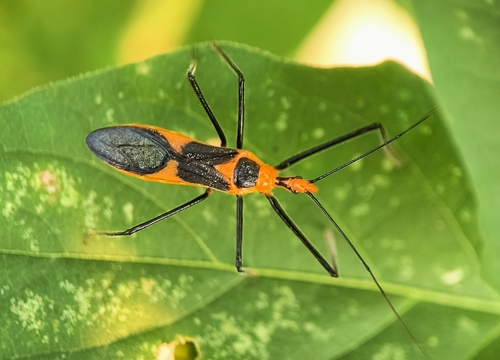
You might spot Milkweed Assassin Bug, Green Iguana, and White Beggarticks.
View guide →

US
You might spot Brown Anole, Peters's Rock Agama, and Green Iguana.
View guide →

Florida, US
You might spot Peters's Rock Agama, Green Iguana, and Brown Anole.
View guide →

Florida, US
You might spot Macaques, Squirrel Monkeys, and Blackcap.
View guide →
Take the discovery with you
Snap it with Snappit to identify it, learn what makes it special, and add the discovery to your collection.











